


Fatty Liver: Causes, Symptoms & Ayurvedic Management
Abstract
Fatty liver disease, characterised by excessive accumulation of fat in hepatic tissue, is increasingly associated with a sedentary lifestyle, unhealthy dietary patterns, obesity, and metabolic disturbances. Ayurveda provides a holistic perspective by relating impaired liver function to Agni (digestive and metabolic fire), Ama (metabolic waste), and imbalance of Kapha and Pitta doshas. From an Ayurvedic viewpoint, inappropriate food habits, overeating, lack of physical activity, and disturbed metabolism may contribute to the development of Yakrit Vikara (liver disorders). It may also influence the functioning of Meda Dhatu (adipose tissue) and the body’s natural processes of nourishment and elimination. This perspective highlights the importance of maintaining balanced digestion, proper tissue metabolism, and healthy daily routines to support liver health.
Introduction
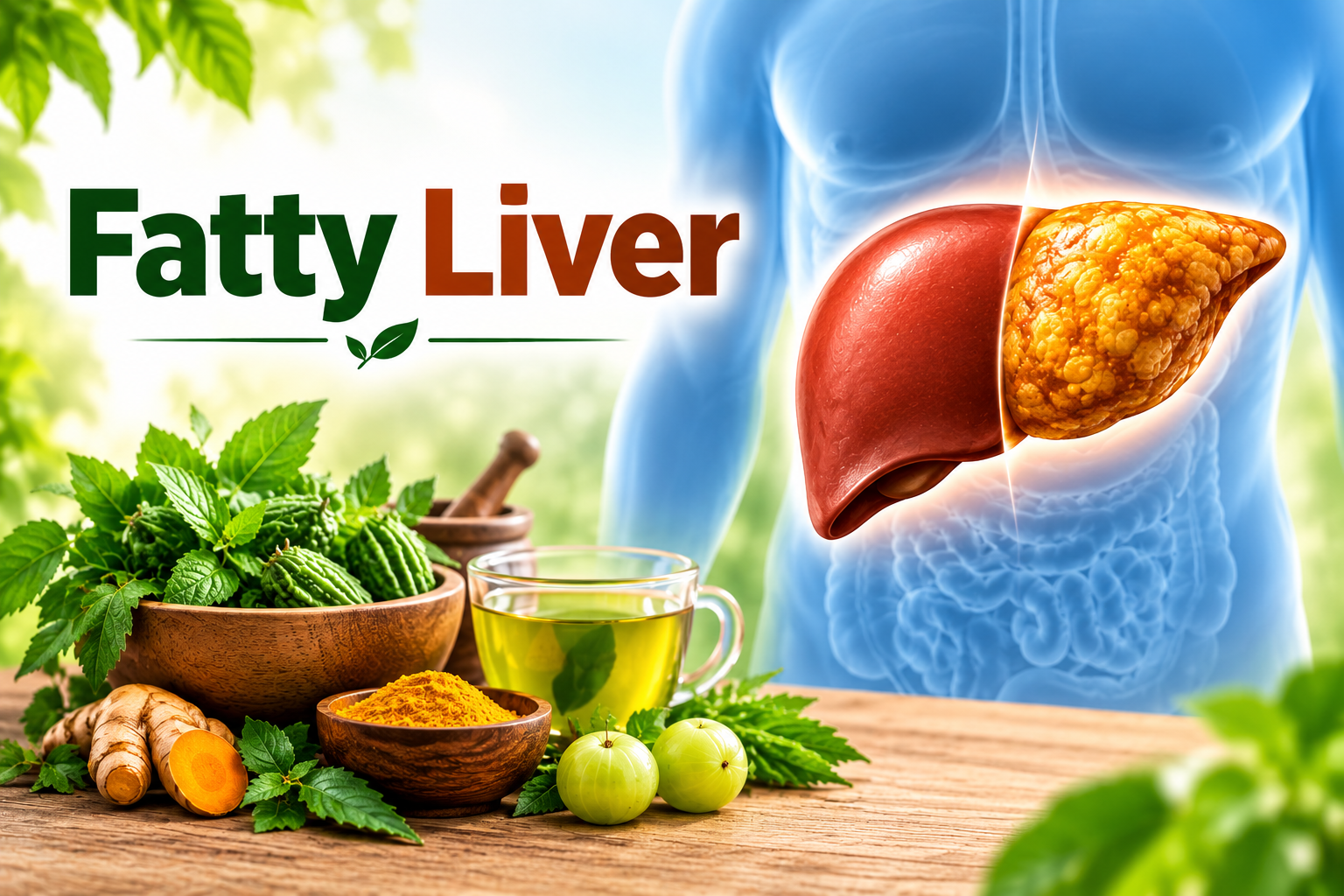
Fatty liver is a condition in which an excessive amount of fat accumulates within the liver cells. It has become increasingly common worldwide, largely due to sedentary lifestyles, unhealthy dietary habits, obesity, insulin resistance, and other metabolic disturbances. In its early stages, fatty liver may not produce noticeable symptoms and can therefore remain undetected for a long time. Although some cases remain stable, persistent liver fat may lead to inflammation, fibrosis, cirrhosis, and other complications. Early identification and appropriate lifestyle modification are important for preventing disease progression. From an Ayurvedic perspective, disturbances in Agni (Digestive fire), Meda (Adipose tissue), Kapha, and Pitta, along with improper diet and lifestyle, may be considered relevant to disorders affecting liver function.
Statistics for Fatty Liver
- MASLD affects approximately 30–32% of adults worldwide, highlighting its substantial and growing public-health burden. Earlier global estimates placed the prevalence at around 25%.
- Prevalence is particularly high in South Asia and the Middle East, with some urban populations reporting rates exceeding 33–40%.
- North America and Europe report adult prevalence rates of approximately 29–31%.
- Globally, MASLD is more common in men (around 40%) than in women (around 26%).
- In India, reported urban prevalence varies considerably, from approximately 27% in Thiruvananthapuram to nearly 50% in Rourkela and Bhopal.
Interesting Facts about Fatty Liver
- It can occur without alcohol: Fatty liver is not limited to people who consume alcohol; metabolic factors such as obesity, insulin resistance, and unhealthy dietary patterns can contribute significantly.
- A person may have no symptoms: Fatty liver often develops silently, and many individuals discover it during routine blood tests or abdominal imaging.
- The liver may initially look normal: Early disease can occur without obvious symptoms or major abnormalities in routine liver-function tests.
- It is closely linked with metabolic health: Fatty liver frequently occurs alongside type 2 diabetes, high blood pressure, abnormal cholesterol levels, and excess abdominal fat.
Types of fatty liver
- Metabolic dysfunction-associated steatotic liver disease (MASLD): Fat accumulation in the liver associated with metabolic risk factors such as obesity, insulin resistance, type 2 diabetes, hypertension, or abnormal lipid levels.
- Alcohol-associated liver disease (ALD): Liver fat accumulation related to excessive or prolonged alcohol consumption. It may progress to inflammation and liver damage.
- Metabolic dysfunction-associated steatohepatitis (MASH): A more advanced form of MASLD in which liver fat is accompanied by inflammation and liver-cell injury. It can gradually lead to fibrosis or cirrhosis.
- Alcohol-associated steatohepatitis: Alcohol-related fatty liver accompanied by inflammation and liver-cell injury.
- Secondary fatty liver: Fat accumulation caused by other factors, such as certain medications, rapid weight loss, specific metabolic disorders, or nutritional problems.
Causes of Fatty Liver
- Excess body weight: Overweight and obesity can increase fat deposition in the liver.
- Insulin resistance: Reduced sensitivity to insulin can promote the accumulation of fat in liver cells.
- Type 2 diabetes: Poorly controlled blood glucose levels are associated with a higher risk of fatty liver.
- Unhealthy diet: Frequent consumption of foods rich in saturated fats, refined carbohydrates, added sugars, and excess calories can contribute to liver fat accumulation.
- Excessive alcohol consumption: Regular and heavy alcohol intake can directly cause fat accumulation and liver injury.
- Physical inactivity: Lack of regular exercise can contribute to obesity, insulin resistance, and metabolic imbalance.
- High cholesterol and triglycerides: Abnormal blood lipid levels may increase the likelihood of developing fatty liver.
- Certain medications: Some medicines can cause or promote hepatic fat accumulation in susceptible individuals. E.g. corticosteroids (prednisolone).
- Rapid weight loss or malnutrition:Severe nutritional imbalance or rapid loss of body weight may occasionally lead to fatty liver.
- Genetic susceptibility: Genetic factors can influence an individual’s tendency to develop fatty liver.
- Hormonal and metabolic disorders: Conditions such as polycystic ovary syndrome and certain endocrine disorders may increase the risk.
Signs and Symptoms of Fatty Liver
Fatty liver often develops without obvious symptoms, particularly during its early stages. Many people are diagnosed incidentally during routine blood tests, ultrasound, or evaluation for metabolic conditions. When symptoms occur, they may vary according to the severity and progression of liver involvement. Below are the symptoms that usually occur in this condition:
- Tiredness or unusual fatigue– A person may feel unusually tired even after getting adequate sleep.
- Mild discomfort, heaviness, or dull pain in the upper-right abdomen
- Yellowing of the eyes or skin-Jaundice is not usually seen in uncomplicated fatty liver. It may occur when significant liver inflammation or liver damage develops.
- Dark urine-Urine may become unusually dark, sometimes resembling tea or cola, when bilirubin levels become elevated.
- Swelling of the legs and ankles- In advanced liver disease, fluid can accumulate in the lower limbs, causing oedema. Swollen ankles, puffy feet, swelling in lower limbs
Diagnosis of Fatty Liver
Fatty liver (hepatic steatosis) is diagnosed by combining the patient’s medical history, physical examination, blood tests, imaging studies, and sometimes tests for liver fibrosis. A person may have fatty liver without any symptoms, so it is often discovered during routine testing.
- Medical History: Assessment of obesity, diabetes, high cholesterol, hypertension, alcohol use, medications, family history, previous liver disease, diet, and physical activity.
- Physical Examination: Evaluation of BMI, waist circumference, blood pressure, jaundice, swelling, and signs of insulin resistance.
- Blood Tests: Measurement of ALT and AST to detect liver injury, along with bilirubin, ALP, GGT, albumin, CBC, and PT/INR to assess liver function and overall health.
- Abdominal Ultrasound: Detects fat accumulation in the liver, which typically appears brighter than normal liver tissue.
- FibroScan: A non-invasive test that measures liver stiffness and fat content to assess fibrosis (scarring) and disease progression.
Treatment of fatty liver
There is no single medicine that cures simple fatty liver, so treatment mainly targets the underlying metabolic problems. Vitamin E may be considered in selected patients with non-diabetic NASH, under medical supervision. Pioglitazone may be used in some patients with NASH, particularly those with type 2 diabetes. GLP-1 receptor agonists such as semaglutide may be prescribed for obesity or diabetes and can also reduce liver fat. Statins are commonly used to treat high cholesterol and are generally safe in fatty liver. Medication should be selected by a doctor based on the type and severity of fatty liver and the patient’s other conditions.
Ayurvedic Insight
From an Ayurvedic perspective, fatty liver may be understood through the concepts of Yakrit (liver), Meda Dhatu (adipose tissue), and Medovaha Srotas (channels associated with fat metabolism). The liver plays an important role in the transformation and distribution of nutrients, while balanced Agni (Digestive fire) supports the proper formation and utilisation of Dhatus (Tissues). When metabolic functions become disturbed, excess Meda (Adipose tissues) and Kapha may accumulate, contributing to the development of fatty liver. Ayurvedic management focuses on correcting the underlying metabolic imbalance rather than addressing liver fat alone. Langhana (lightening therapy), appropriate dietary regulation, regular physical activity, and Nidra (healthy sleep) are traditionally considered important for restoring metabolic balance. Individualised herbal support may include Bhumyamalaki (Phyllanthus niruri), Kutki (Picrorhiza kurroa), Kalmegh (Andrographis paniculata), and Punarnava (Boerhavia diffusa), selected according to the patient’s Dosha, Agni (Digestive fire), and clinical condition.
Pathogenesis of Fatty Liver
In Ayurveda, the pathogenesis of fatty liver may be described as a disturbance in Meda (Adipose/ fat tissue) metabolism, involving Kapha Dosha and Medovaha Srotas (channels associated with fat metabolism). Excessive intake of Guru (heavy), Snigdha (unctuous), and Madhura (sweet) foods, combined with sedentary habits, may promote Meda (Fat) accumulation and impair the normal movement of metabolic substances. Reduced physical activity and disturbed Agni (Digestive Fire) may further contribute to the abnormal storage of fat in the liver.
Herbal remedies for Fatty Liver by Planet Ayurveda
Planet Ayurveda is a well-established Ayurvedic healthcare organisation that works to promote the ancient knowledge of Ayurveda through natural remedies and holistic health solutions. The company develops a wide range of herbal formulations using pure, high-quality ingredients and standardised herbal extracts, with a focus on maintaining safety, authenticity, and effectiveness. Following the principles of classical Ayurveda, Planet Ayurveda aims to support overall health by addressing the underlying causes of health concerns and encouraging balance in the body, mind, and emotions. With an emphasis on quality, natural ingredients, and traditional approaches supported by modern research, the organisation works toward making Ayurvedic wellness solutions available globally. We will explore various herbal approaches used for the management of fatty liver according to Ayurvedic principles. The herbal formulations are:
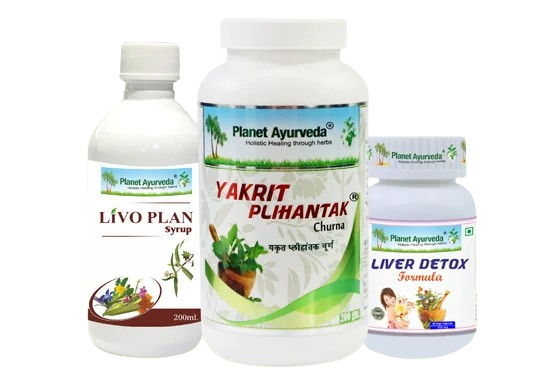
- Yakrit Plihantak Churna.
- Livoplan Syrup.
- Liver detox formula
Herbal Remedies for Fatty Liver

Product Description:
1. Yakrit Plihantak Churna
It is an Ayurvedic herbal formulation traditionally used for supporting Yakrit (liver) function and maintaining healthy metabolism. It contains herbs such as Bhumi Amla (Phyllanthus niruri), Kalmegh (Andrographis paniculata), Bhringraj (Eclipta alba), Sharpunkha (Tephrosia purpurea), Kaasni (Cichorium intybus), Katuki (Picrorhiza kurroa), Makoy (Solanum nigrum), and Punarnava (Boerhavia diffusa). Bhumi Amla and Kalmegh are traditionally considered supportive of liver health and digestion. Bhringraj and Makoy are used to promote normal liver function and detoxification. Katuki supports digestion and is traditionally used for maintaining healthy liver metabolism. Punarnava is traditionally used to support fluid balance and reduce metabolic sluggishness. Sharpunkha and Kaasni are traditionally considered supportive of liver and digestive health.
Dosage: 1 teaspoonful after food twice a day with plain water or decoction method.
2. Livoplan Syrup
This polyherbal Ayurvedic formulation is traditionally used to support Yakrit (liver) function and metabolism in fatty liver. It contains Bhringraj (Eclipta alba), Bhumi Amla (Phyllanthus niruri), Kalmegh (Andrographis paniculata), Kasni (Cichorium intybus) and many more herbs that are traditionally regarded as hepatoprotective and supportive of normal liver function. Sharpunkha and Rohitaka are traditionally used to support hepatic and digestive health, while Shyonak and Patol support digestion and metabolic balance. Ghritkumari (Aloe vera) is traditionally used for digestive and metabolic support. Trayamana (Gentiana kurroo), Pitpapda (Fumaria parviflora), and Dugdhapheni (Euphorbia thymifolia) are traditionally described as supporting digestion and detoxification.
Dosage: 2 tsp twice a day after meals with water.3. Liver Detox Formula
Planet Ayurveda Liver Detox Formula contains Katuki (Picrorhiza kurroa), Punarnava (Boerhaavia diffusa), Kalmegh (Andrographis paniculata), Makoy (Solanum nigrum), Biranjasipha (Achillea millefolium), Jhavuka (Tamarix gallica), Himsra (Capparis spinosa), Haritaki (Terminalia chebula), and Kasni (Cichorium intybus). These herbs are traditionally used for Yakrit (liver) support and metabolic balance. Their bioactive compounds have demonstrated antioxidant, anti-inflammatory, and hepatoprotective activities in preclinical research, which may help protect liver cells from oxidative stress and support healthy liver function. Research on chicory has also reported improvements in ALT and AST levels in patients with fatty liver disease. The proprietary formulation has been evaluated in an open-label clinical study for 90 days, reporting improvements in liver-related symptoms and fatigue.
Dosage – 1 capsule twice daily after meals with Plain water.
Conclusion
Fatty liver is a common metabolic disorder associated with abnormal fat accumulation in the liver and may progress to inflammation and fibrosis if left unmanaged. Ayurvedic management focuses on restoring Agni (Digestive fire), balancing Kapha and Meda (Fat tissues), and supporting Yakrit (Liver) through appropriate diet, physical activity, and individualised herbal care. Early diagnosis, a balanced diet, regular physical activity, and maintaining a healthy weight are important for managing the condition. Ayurvedic principles emphasise restoring digestive balance and supporting healthy metabolism through individualised care.


Dr. Vikram Chauhan
Latest posts by Dr. Vikram Chauhan (see all)
- Fatty Liver: Causes, Symptoms & Ayurvedic Management - September 14, 2026
- Hearing Loss in Children: Causes, Symptoms & Ayurvedic Treatment - September 12, 2026
- Best Water Vessel According to Ayurveda - September 10, 2026
- Understanding Antioxidants: Benefits & How Arjun Tea Supports Heart Health - September 8, 2026
- Dravet Syndrome: Symptoms, Causes, Diagnosis & Treatment - September 7, 2026