


Keto Diet: Benefits, Foods, Weight Loss & Side Effects
Abstract
The ketogenic diet, commonly known as the keto diet, is a low-carbohydrate, high-fat diet that changes how the body obtains energy. Instead of depending mainly on carbohydrates for fuel, the body begins using more fat and produces substances called ketones. This process is known as ketosis. The diet has gained popularity for weight management and blood glucose control, but it is not suitable for everyone. Understanding what to eat, how the diet works, its possible benefits and its limitations can help people make informed dietary choices. This article explains the keto diet in simple language with relatable examples from everyday life, including Indian food habits.
Introduction
Have you ever wondered why losing weight feels difficult even when you try to eat less? Or why you feel hungry again a few hours after eating bread, poha or biscuits? Now imagine a diet in which you reduce roti, rice, bread and sugar but include foods such as paneer, eggs, nuts, seeds and healthy fats.It might sound surprising, but this is the basic idea behind the ketogenic diet.Today, many people are exploring different ways to manage their weight and improve their health. The keto diet has attracted attention because it changes the bodys primary fuel source. However, before making major changes to your eating habits, it is important to understand how this diet works, what it involves and whether it suits your lifestyle.
Lets explore the keto diet through simple examples that relate to our everyday lives.
What Is the Keto Diet?
The ketogenic diet, commonly called the keto diet, is a low-carbohydrate, high-fat diet with moderate protein intake. It encourages the body to rely more heavily on fat for energy instead of depending mainly on carbohydrates.Under normal conditions, the body obtains much of its energy from carbohydrates found in foods such as roti, rice, bread, potatoes and sweets. During digestion, these carbohydrates are broken down into glucose, which the bodys cells use as fuel.When carbohydrate intake becomes very low, the body starts producing more ketones from fat. These ketones can serve as an alternative energy source. This metabolic state is called ketosis.Think of your body as a car that can run on different fuels. Under ordinary eating conditions, it mainly uses glucose. During nutritional ketosis, it relies more heavily on fat-derived fuels, including ketones.However, entering ketosis does not automatically guarantee weight loss. Losing body fat still depends on overall energy intake,physical activity and other individual factors.
Mechanism Of Keto Diet
Lets understand this with a simple example.
Imagine Rahul, who usually eats bread for breakfast, three rotis with rice at lunch, biscuits with tea in the evening and roti again for dinner. His meals contain carbohydrates throughout the day, providing glucose that his body uses for energy.Now imagine Rahul adopts a properly planned keto diet under professional guidance. He significantly reduces carbohydrate-rich foods and includes appropriate portions of paneer, eggs, nuts, seeds and low-carbohydrate vegetables.As his carbohydrate intake decreases, his body gradually increases its use of fat for energy and produces more ketones.There is another important point: when carbohydrate intake falls, the body uses some of its stored glycogen, which holds water. Consequently, weight may decrease quickly during the first few days, partly because of water loss rather than body-fat loss.For sustainable weight management, the focus should be on reducing excess body fat while maintaining adequate nutrition and muscle mass.
Foods to Include in a Keto Diet
The keto diet is not simply about eating butter, cheese and meat all day. Food quality matters too.
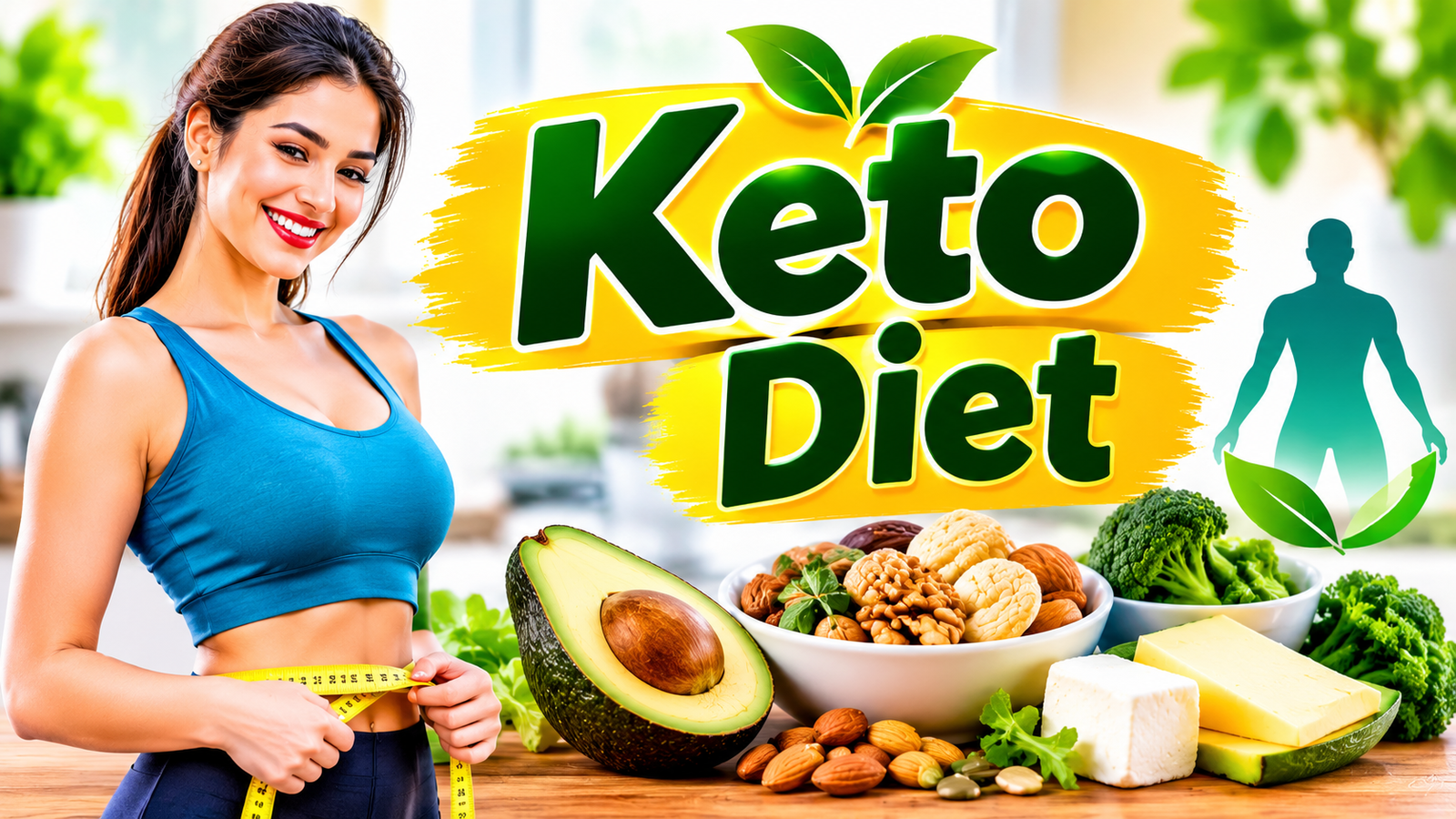
- Protein-rich foods-Eggs, paneer, tofu, fish and chicken can provide protein to support muscle maintenance and normal body functions. Unsweetened Greek yogurt may also fit in carefully measured portions.
- Healthy fat sources-Nuts, seeds, avocado and olive oil provide fats that supply energy and help the body absorb fat-soluble vitamins. Portion control is still important because fats are calorie-dense.
- Low-carbohydrate vegetables-Spinach, cucumber, cauliflower, cabbage, zucchini and capsicum provide vitamins, minerals and fibre while helping keep carbohydrate intake low.
Foods commonly restricted on a strict keto diet include sugar, sweets, sugary drinks, bread, rice, most cereals, potatoes and many high-carbohydrate fruits. Pulses, milk and yogurt also contain carbohydrates, so their portions need careful consideration.It is equally important to avoid making butter, cream, cheese and fatty processed meats the foundation of every meal. A well-planned diet should prioritise nutritious foods and appropriate amounts of unsaturated fats.
Indian Keto Diet
Indians can follow a keto diet by making a few changes to their everyday meals. Instead of relying on roti, rice and other carbohydrate-rich foods, they can include options such as paneer bhurji, cucumber salad, cauliflower sabzi, eggs, nuts and healthy fats.For example, a regular lunch of three rotis can be replaced with paneer bhurji, cucumber salad and cooked cauliflower. Although this change may feel unusual at first, Indian ingredients can be used to prepare satisfying and flavourful keto-friendly meals.Vegetarians need to pay particular attention to protein, vitamin B12, calcium, iron and other essential nutrients. Foods such as dal, chickpeas, bananas and whole grains are nutritious, but their carbohydrate content can make them difficult to fit into a strict keto diet.
Keto and Weight Loss
There are several reasons why the keto diet may help certain individuals lose weight.
- Reduced calorie intake-Some people feel fuller after meals containing adequate protein and fat, making it easier to eat less overall.
- Reduced food cravings– Some individuals experience fewer hunger episodes or less desire for sugary snacks.
- Initial water loss-Reducing carbohydrates lowers stored glycogen and the water associated with it. This can produce a rapid early decrease in body weight.
- Changes in eating habits– Following a structured plan may reduce frequent snacking and encourage more mindful food choices.
However, the results vary from person to person. A keto diet can still lead to weight gain if total calorie intake consistently exceeds energy needs.
Keto vs. Balanced Diet
Imagine two people who both want to lose weight.
Priya follows a keto diet, replacing roti and rice with paneer, vegetables and healthy fats. Aman follows a balanced Indian diet that includes measured portions of roti, dal, vegetables, curd and fruit.Both eat appropriate portions, obtain enough protein and remain physically active.Either person can lose weight if their overall energy intake is suitable and the diet is sustainable. Keto is not automatically superior to a balanced, calorie-controlled diet for long-term weight management.
If you enjoy homemade roti, dal, seasonal fruits and family meals, a balanced Indian diet may be easier to maintain. If you prefer a low-carbohydrate eating pattern, keto may be an option after considering your health needs and nutritional requirements.The best diet is not necessarily the strictest one. It is the one that supports your health and can be followed consistently.
Benefits of the Keto Diet
- Weight management: It can help some people reduce calorie intake and lose weight.
- Blood glucose management: Carbohydrate restriction can lower blood glucose levels in people with type 2 diabetes, although medication adjustment and medical supervision may be necessary.
- Appetite control: Some people experience greater fullness and fewer hunger episodes.
- Management of certain types of epilepsy: Medically supervised ketogenic dietary therapies are established treatments for some people with drug-resistant epilepsy, particularly children.
These benefits do not mean that everyone needs to follow a keto diet. Its suitability depends on individual health conditions, preferences and nutritional needs.
Side Effects
- Keto flu: During the initial transition, some people experience headache, fatigue, dizziness, nausea or difficulty concentrating.
- Constipation: Inadequate vegetable and fibre intake can affect bowel movements.
- Nutritional deficiencies: Restricting several food groups may reduce the intake of essential vitamins, minerals and fibre.
- Cholesterol changes: LDL cholesterol can rise significantly in some individuals, especially when the diet contains large amounts of saturated fat.
- Other complications: Kidney stones and other complications can occur in certaincircumstances, particularly with some medically supervised ketogenic protocols.People with kidney, liver, pancreatic or gallbladder conditions, a history of eating disorders or other significant health concerns should seek professional advice before considering keto.
People taking insulin or sulfonylureas need medical supervision because substantial carbohydrate restriction can cause hypoglycaemia. Keto is generally unsuitable for people taking SGLT2 inhibitors unless a specialist has specifically assessed the situation, because of the risk of diabetic ketoacidosis. Pregnancy and breastfeeding are also not appropriate times to undertake a restrictive keto diet for weight loss without specialist guidance.
Conclusion
The keto diet is a low-carbohydrate, high-fat eating pattern that encourages the body to use more fat-derived energy and produce ketones. As discussed, it may help some people manage their weight,control appetite and improve blood glucose levels. However, its results depend on food choices, portion sizes, individual health conditions and the ability to follow the diet consistently.From understanding ketosis and selecting suitable foods to adapting Indian meals, recognising potential benefits and identifying risks, every aspect of the keto diet requires a thoughtful approach. Although foods such as paneer, eggs, nuts, seeds and low-carbohydrate vegetables can fit into a keto plan, nutritional adequacy should never be overlooked. People with existing medical conditions or those taking medication should seek professional guidance before starting.Ultimately, successful weight management is not about eliminating carbohydrates at any cost; it is about choosing an eating pattern that supports long-term health. Whether you choose keto or a balanced Indian diet, focus on nutritious foods, appropriate portions, regular physical activity and sustainable lifestyle habits. The best diet is one that meets your bodys needs and helps you remain healthy, energetic and consistent over time.


Dr. Vikram Chauhan
Latest posts by Dr. Vikram Chauhan (see all)
- Keto Diet: Benefits, Foods, Weight Loss & Side Effects - October 29, 2026
- Herbal Remedies For Immune Thrombocytopenia (ITP) – Symptoms, Causes & Treatment in Ayurveda - October 29, 2026
- Herbal Remedies For Ulcerative Colitis – Symptoms, Causes & Treatment in Ayurveda - October 28, 2026
- Herbal Remedies For Psoriatic Arthritis – Symptoms, Causes & Treatment in Ayurveda - October 27, 2026
- Herbal Remedies For Atopic Dermatitis – Symptoms, Causes & Treatment in Ayurveda - October 27, 2026