


Fatty Liver: Causes, Symptoms, Diet & Ayurvedic Management
Introduction
Fatty liver disease is a common metabolic condition characterized by excessive accumulation of fat in the liver. It is frequently associated with obesity, insulin resistance, type 2 diabetes, abnormal cholesterol or triglyceride levels, and a sedentary lifestyle. Alcohol consumption can also contribute to liver fat accumulation and liver injury. In its early stages, fatty liver disease may cause no noticeable symptoms and is often identified incidentally during routine blood tests or abdominal imaging. However, in some individuals, persistent liver fat accumulation can progress to liver inflammation, fibrosis (scarring), cirrhosis, and other liver-related complications. The increasing prevalence of obesity, metabolic disorders, unhealthy dietary patterns, and physical inactivity has contributed to the growing burden of fatty liver disease. Early identification and management of metabolic risk factors are therefore important. Healthy dietary habits, regular physical activity, appropriate weight management, avoidance of excessive alcohol, and proper management of associated conditions such as diabetes and dyslipidemia form the foundation of care.
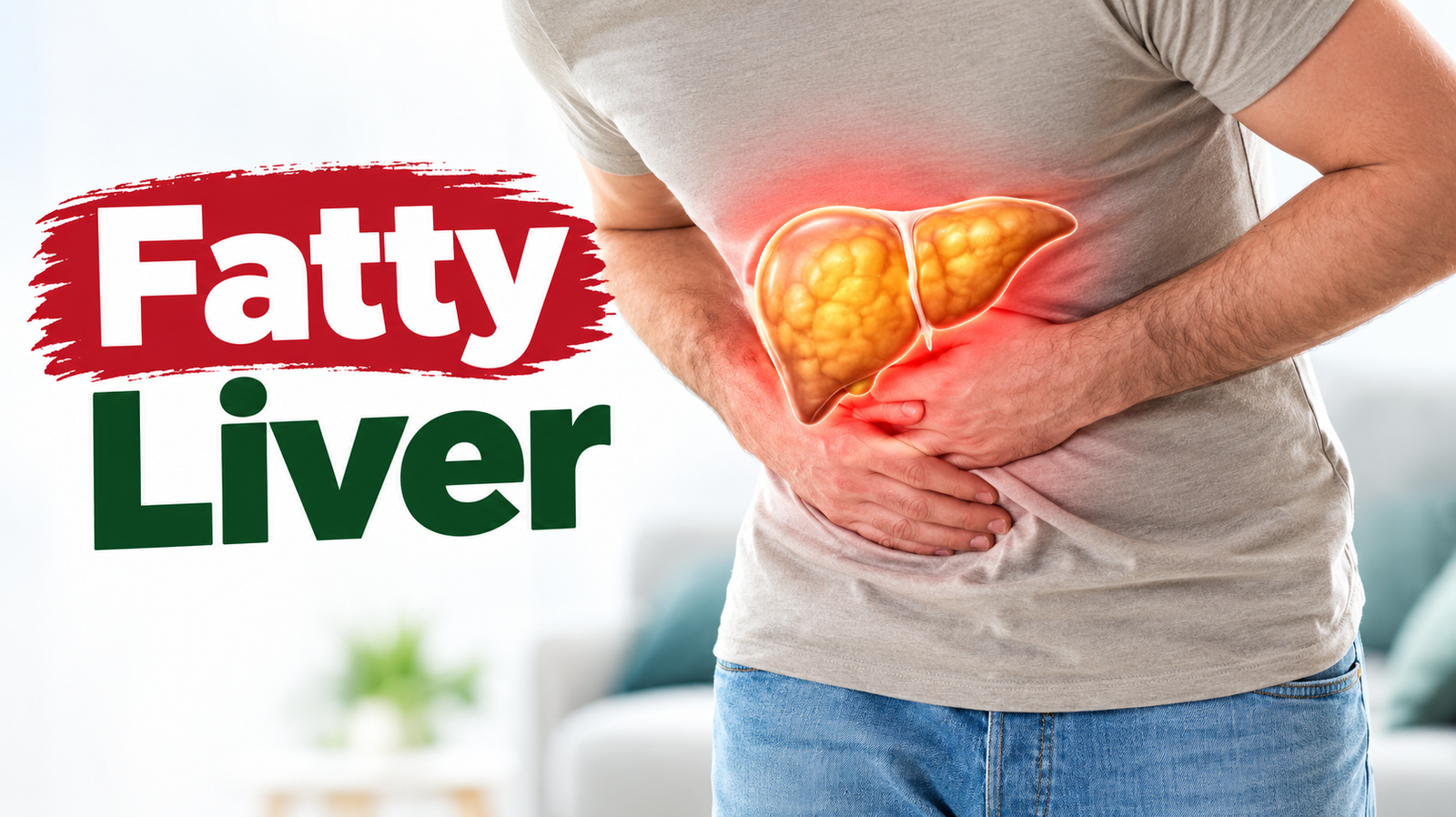
Stages and Progression of Fatty Liver Disease
Fatty liver disease can range from simple fat accumulation to progressive liver injury and scarring. It is important to distinguish fat accumulation and inflammation from fibrosis, because the extent of fibrosis is an important predictor of long-term liver-related complications.
Simple Steatosis
Simple steatosis refers to the accumulation of excess fat within liver cells without significant liver injury. Possible features include:
- Often no symptoms
- Fatigue in some individuals
- Mild hepatomegaly in some cases
- Normal or mildly elevated liver enzymes
- Association with obesity and metabolic abnormalities
Steatohepatitis
When excess liver fat is accompanied by inflammation and liver-cell injury, the condition may progress to steatohepatitis. In metabolic dysfunction-associated disease, this is known as MASH (metabolic dysfunction-associated steatohepatitis). Persistent inflammation may contribute to the development of liver fibrosis.
Fibrosis
Repeated or persistent liver injury can result in the formation of scar tissue, known as fibrosis. Fibrosis can range from mild to advanced. Early fibrosis may improve when the underlying metabolic or other causes are effectively addressed.
Cirrhosis
Advanced fibrosis can eventually develop into cirrhosis. In cirrhosis, extensive scar tissue changes the normal structure of the liver and can impair liver function. Advanced cirrhosis may lead to complications such as:
- Portal hypertension
- Ascites
- Variceal bleeding
- Hepatic encephalopathy
- Liver failure
Cirrhosis is also associated with an increased risk of hepatocellular carcinoma.
Signs and Symptoms of Fatty Liver
Early Stage
Many people with fatty liver have no specific symptoms, particularly during the early stages. The condition may be discovered incidentally through:
- Routine blood investigations
- Abdominal ultrasound
- Other imaging examinations performed for unrelated reasons
When symptoms occur, they may be nonspecific.
Possible Symptoms in More Advanced Disease
Some individuals may experience:
- Fatigue or weakness (Daurbalya)
- General malaise (Klama)
- Reduced appetite (Aruchi)
- Indigestion (Ajirna)
- Abdominal heaviness or discomfort (Gaurava)
- Enlarged liver (Yakrit Vriddhi/Hepatomegaly)
- Excess body weight (Sthaulya/Atisthaulya)
Difficulty concentrating or reduced energy may also occur in some individuals, although these symptoms are not specific to fatty liver disease.
Clinical Signs
On clinical examination, a healthcare professional may identify:
- Hepatomegaly: Enlargement of the liver may be present in some individuals.
- Increased abdominal circumference: This may be associated with obesity and central adiposity. In advanced liver disease, abdominal enlargement may also occur because of fluid accumulation (ascites).
- Features of metabolic syndrome: Increased waist circumference, obesity, hypertension, diabetes, insulin resistance, and abnormal lipid levels may accompany fatty liver disease.
Blood Tests
Depending on the clinical situation, investigations may include:
- ALT
- AST
- ALP
- GGT
- Bilirubin
- Albumin
- Complete blood count, including platelet count
- Fasting blood glucose
- HbA1c
- Lipid profile
- Hepatitis B and C testing when appropriate
- Iron studies
- Autoimmune liver disease testing when indicated
Normal liver enzymes do not always exclude significant liver disease.
Imaging
- Abdominal Ultrasound- Ultrasound is commonly used as an initial imaging test for detecting hepatic steatosis.
- FibroScan- Transient elastography (FibroScan)can estimate liver stiffness and help assess the likelihood of significant fibrosis. Some systems can also provide an estimate of liver fat.
- MRI-Based Assessment- MRI-based techniques may be used when more detailed assessment of liver fat or fibrosis is required.
- Fibrosis Assessment- Non-invasive scores such as FIB-4 use factors including age, AST, ALT, and platelet count to estimate the likelihood of significant liver fibrosis.
Management of Fatty Liver Disease
The primary goal of management is to reduce liver fat, address metabolic risk factors, and prevent progression to liver fibrosis and cirrhosis.
Weight Management
For individuals who are overweight or obese, gradual and sustained weight reduction can significantly improve liver fat. Even approximately 5% weight loss may reduce liver fat, while greater weight reduction, particularly around 7–10% or more, may provide additional benefits in selected individuals with liver inflammation or fibrosis. Weight loss should be gradual and achieved through sustainable dietary and lifestyle changes.
Regular Physical Activity
Regular exercise is an important component of fatty liver management. A practical goal for many adults is:
- At least 150 minutes of moderate-intensity physical activity per week
- Regular resistance or strength-training exercises
- Reduction of prolonged sedentary periods
- Walking, cycling, swimming, yoga, and other suitable activities can be incorporated according to individual fitness levels.
Healthy Diet
A balanced dietary pattern can help improve metabolic health and reduce liver fat.
Emphasize:
- Vegetables
- Whole fruits
- Whole grains
- Legumes
- Nuts and seeds
- Appropriate sources of protein
- Adequate dietary fiber
A Mediterranean-style dietary pattern is one commonly recommended model.
Limit:
- Sugary beverages
- Excess sweets
- Refined carbohydrates
- Highly processed foods
- Excess saturated fat
- Frequent overeating
- Alcohol should be avoided or minimized
Management of Associated Conditions
- Type 2 diabetes
- Obesity
- High cholesterol and triglycerides
- Hypertension
- Insulin resistance
Medications may be prescribed by a physician according to the individual’s underlying conditions and liver disease severity. There is no single medication that is appropriate for every person with simple fatty liver. Regular medical follow-up is important, especially when there is evidence of significant fibrosis or other liver disease.
Ayurveda insight!
Ayurveda does not describe modern fatty liver disease as an exact one-to-one disease entity. However, certain liver-related disorders are discussed under the broader concepts of Yakrit Vikara and Yakritodara. Yakrit refers to the liver, while Yakritodara describes a condition associated with enlargement of the liver and is traditionally discussed among disorders involving abdominal enlargement. Modern fatty liver disease should not simply be equated with Yakritodara, but Ayurvedic principles can provide a traditional framework for understanding metabolic imbalance and liver involvement. Concepts such as Agni Dushti (disturbance of digestive and metabolic processes), Ama, Meda Dhatu Dushti, Srotas Dushti, and Doṣa imbalance may be considered when developing an individualized Ayurvedic approach. Ayurvedic management traditionally emphasised Nidāna Parivarjana (avoiding causative factors), appropriate Ahara (diet), Vihara (lifestyle), regular Vyayama (physical activity), correction of impaired digestion and metabolism, and individualized Shamana Chikitsa and, where appropriate, Panchakarma under qualified supervision.
Ayurveda does not provide a classical four-stage classification that directly corresponds to modern steatosis → steatohepatitis → fibrosis → cirrhosis. The progression may be discussed conceptually through:
Agni Dushti → impaired metabolism → Ama formation → Meda Dushti/Meda Vriddhi → Srotas Dushti → Yakrit involvement
Ayurvedic Management of Fatty Liver
From an Ayurvedic perspective, management should be individualized according to Prakriti, Vikriti, Agni, Doṣa, Koṣṭha, Bala, Ahara-Vihara, and the stage and severity of the condition.
Nidāna Parivarjana
Nidāna Parivarjana means avoiding or reducing factors that contribute to disease development. The following principles may be considered:
- Avoid excessive intake of very sweet, oily, heavy, and calorie-dense foods.
- Avoid overeating and eating without adequate appetite.
- Reduce fried foods, sweets, sugary beverages, and highly processed foods.
- Avoid excessive intake of heavy dairy preparations when unsuitable for the individual.
- Avoid excessive alcohol.
- Avoid prolonged physical inactivity.
- Avoid habitual daytime sleeping, particularly after meals.
- Address excess body weight and metabolic abnormalities.
- Avoid unnecessary use of medicines or herbal preparations that may adversely affect the liver.
Ayurvedic dietary recommendations should be individualized rather than applied uniformly to every patient.
Pathya Ahara
Dietary selection is an important component of Ayurvedic management. Foods that are Laghu (light), easily digestible, and appropriate for the individual’s Agni and Prakriti may be preferred. A practical dietary approach can include:
- Fresh seasonal vegetables
- Appropriate whole grains
- Green leafy vegetables
- Legumes according to individual tolerance
- Fresh fruits in appropriate portions
- Adequate protein
- Sufficient hydration
- Moderate portion sizes
The focus should be on balanced nutrition rather than extreme restriction or prolonged fasting.
Vihara and Lifestyle
Ayurveda gives considerable importance to regular physical activity and an appropriate daily routine.
Vyayama
Regular Vyayama may include:
- Brisk walking
- Yoga
- Swimming
- Cycling
- Strength exercises
- Other suitable physical activities
The intensity should be appropriate for the individual’s age, strength, fitness level, and medical condition.
Avoid Divasvapna
Habitual daytime sleeping, particularly after heavy meals, is traditionally discouraged in individuals with Kapha- and Meda-related disorders when clinically appropriate. Maintaining regular sleep, physical activity, meal timing, and daily routines can support overall metabolic health.
Shamana Chikitsa
Ayurvedic physicians may consider herbs traditionally used in the context of Yakrit,Meda,Agni, and metabolic disorders. Examples include:
- Bhumyamalaki (Phyllanthus niruri)
- Guduchi (Tinospora cordifolia)
- Punarnava (Boerhavia diffusa)
- Triphala
- Katuki (Picrorhiza kurroa)
However, the selection of herbs, dosage, duration, and formulation should be individualized. Not every herb is suitable for every patient. Particular care is required in individuals with advanced liver disease, pregnancy, multiple medications, or other significant medical conditions. Ayurvedic medicines should also be obtained from reliable sources and used under appropriate professional supervision.
Panchakarma
Panchakarma may be considered in selected individuals as part of an individualized Ayurvedic treatment plan. The choice of procedure should depend on:
- Prakriti
- Doṣa predominance
- Agni
- Koṣṭha
- Bala
- Age
- Disease stage
- Associated medical conditions
Depending on the individual’s assessment, an Ayurvedic physician may consider appropriate procedures such as Virechana or other therapies when indicated. Panchakarma should not be undertaken routinely or as a substitute for medical evaluation, particularly when there is significant fibrosis, cirrhosis, jaundice, ascites, abnormal bleeding, or other signs of advanced liver disease.
Ayurvedic Diet and Lifestyle: Key Principles
For individuals looking to support liver and metabolic health through an Ayurvedic lifestyle, the following principles are useful:
- Eat according to appetite: Avoid repeated eating when the previous meal has not been adequately digested.
- Prefer fresh and balanced meals: Choose minimally processed foods with appropriate portions of vegetables, whole grains, legumes, and protein.
- Reduce excess Madhura and Snigdha foods: Excessively sweet, oily, and heavy foods may contribute to Meda accumulation when consumed regularly and inappropriately.
- Stay physically active: Regular movement supports healthy body weight and metabolic function.
- Maintain a regular daily routine: Consistent meal timing, sleep, and activity can support overall metabolic balance.
- Avoid excessive alcohol: Alcohol can contribute to liver injury and should be avoided or minimized according to individual medical circumstances.
When Should You Consult a Doctor?
Medical evaluation is particularly important if there is:
- Persistent elevation of liver enzymes
- Significant abdominal or liver enlargement
- Jaundice
- Abdominal swelling
- Leg swelling
- Unexplained weight loss
- Vomiting blood or black stools
- Confusion or altered mental status
- Known hepatitis B or C
- Evidence of liver fibrosis or cirrhosis
- Significant alcohol use
- Multiple medications or supplements
People with suspected or confirmed fatty liver should have appropriate medical assessment to determine the severity and underlying cause.
Herbal remedies for Fatty Liver by Planet Ayurveda!
Planet Ayurveda is a global Ayurvedic wellness brand dedicated to preserving the principles of traditional Ayurveda while making them practical for contemporary lifestyles. Based in Chandigarh, India, the brand offers a comprehensive range of herbal formulations prepared from carefully selected botanical and traditional Ayurvedic ingredients. Quality, authenticity, and consistency remain central to its approach, with products manufactured according to established quality and safety practices. Planet Ayurveda serves people across India and numerous countries worldwide, offering wellness products for diverse everyday needs. The brand also provides personalized Ayurvedic consultations, connecting traditional knowledge with individualized guidance and responsible modern wellness practices. For managing fatty liver, They have varipus formulation but we are talking about fatty liver care pack!
Herbal Remedies for Fatty Liver
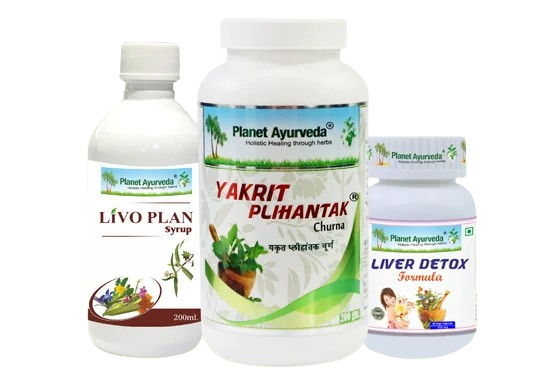

1. YAKRIT PLIHANTAK CHURNA
It is a traditional Ayurvedic polyherbal powder formulated with Bhumyamalaki (Phyllanthus niruri), Katuki (Picrorhiza kurroa), Makoy (Solanum nigrum), Punarnava (Boerhaavia diffusa), Kalmegha (Andrographis paniculata), Kasni (Cichorium intybus), Sharpunkha (Tephrosia purpurea), and Bhringraj (Eclipta alba). In Ayurveda, these herbs are traditionally associated with Yakrit (liver), Pitta balance, Agni, and digestive function. The formulation is traditionally used as part of Ayurvedic dietary and wellness practices to support normal liver and digestive function.
Dosage: 1 teaspoonful twice daily before meals with warm water
2. LIVO PLAN SYRUP
Livo Plan Syrup is a traditional Ayurvedic polyherbal formulation containing Bhringraj (Eclipta alba), Sharpunkha (Tephrosia purpurea), Kalmegha (Andrographis paniculata), Shyonaka (Oroxylum indicum), Rohitaka (Tecomella undulata), Bhumyamalaki (Phyllanthus niruri), Patola (Trichosanthes dioica), Kasni (Cichorium intybus), and other traditionally used herbs. Ayurvedic tradition associates these botanicals with Yakrit, Pitta, Agni, and proper digestive function. Livo Plan Syrup is traditionally used to complement an appropriate diet and lifestyle while supporting normal liver and digestive wellness.
Dosage: 2 teaspoonfuls twice daily after meals
3. LIVER DETOX FORMULA
Liver Detox Formula is a traditional Ayurvedic polyherbal capsule containing Kutki (Picrorhiza kurroa), Punarnava (Boerhaavia diffusa), Makoy (Solanum nigrum), Himsra (Capparis spinosa), Kasni (Cichorium intybus), and other Ayurvedic botanicals. These herbs have a long history of traditional use and are described in Ayurveda in relation to Yakrit, Agni, Pitta, and digestive function. The formulation is intended to support normal digestive and liver wellness as part of a balanced Ayurvedic routine. Traditional Ayurvedic terms such as Pittavirechana and Yakrituttejaka describe specific traditional actions and should not be interpreted as direct biomedical claims to detoxify, treat, or cure liver disease.
Dosage: 2 Capsules twice daily after meals
Conclusion
At last we can say Fatty liver disease is closely associated with metabolic health and lifestyle factors. Early-stage disease may be silent, but persistent liver injury can progress from simple steatosis to inflammation, fibrosis, and eventually cirrhosis in some individuals. Modern management focuses on weight management, regular physical activity, healthy dietary patterns, control of diabetes and lipid abnormalities, avoidance of excessive alcohol, and appropriate medical monitoring. From an Ayurvedic perspective, fatty liver can be discussed through the broader concepts of Yakrit Vikara, Agni Dushti, Ama, Meda Dushti, Srotas Dushti, and Doṣa imbalance. Ayurveda emphasizes Nidāna Parivarjana, Pathya Ahara, Vyayama, appropriate Shamana Chikitsa, and individualized Panchakarma. The Ayurvedic approach should be personalized according to the individual’s constitution and clinical condition and should complement, rather than replace, appropriate medical evaluation—especially when fibrosis or advanced liver disease is suspected.


Dr. Vikram Chauhan
Latest posts by Dr. Vikram Chauhan (see all)
- Fatty Liver: Causes, Symptoms, Diet & Ayurvedic Management - September 22, 2026
- Ulcerative Colitis: Symptoms, Causes With Ayurvedic Treatment - September 21, 2026
- Immune Thrombocytopenia (ITP): Causes, Symptoms, Diagnosis & Treatment - September 19, 2026
- Immune Thrombocytopenia (ITP): Causes, Symptoms & Ayurvedic Support - September 18, 2026
- Ulcerative Colitis: Causes, Symptoms & Treatment with Ayurveda - September 17, 2026