


Latest Piles Surgeries & Role of Ayurveda in Preventing Recurrence Naturally
Abstract
Modern lifestyle patterns, including sedentary behavior, irregular food habits, and increased intake of processed foods, have led to a rise in digestive disorders such as chronic constipation. This condition plays a major role in the development of hemorrhoids (piles), which are swollen vascular cushions in the anal canal that become symptomatic due to increased pressure and straining. Over time, surgical management has progressed from conventional hemorrhoidectomy to minimally invasive procedures such as laser hemorrhoidoplasty, stapled hemorrhoidopexy, Doppler-guided hemorrhoidal artery ligation (DG-HAL), and radiofrequency ablation. These techniques provide reduced pain and faster recovery; however, recurrence remains a challenge because underlying causes are often unaddressed. Ayurveda emphasizes Nidana Parivarjana (elimination of causative factors), Agni Deepana (enhancement of digestive fire), and proper bowel regulation. When integrated with modern surgical approaches, Ayurveda offers an effective strategy to prevent recurrence and ensure long-term gastrointestinal health. In this article we shall look more into its details.
Introduction
Hemorrhoids are commonly referred to as piles which are pathological enlargements of the vascular cushions present in the anal canal. They are commonly associated with symptoms such as bleeding during defecation, pain, itching, swelling, and prolapse. The condition is strongly linked to chronic constipation, excessive straining, prolonged sitting, and poor dietary habits. In Ayurveda, piles are described as Arsha (hemorrhoids/piles), a disease affecting the Guda (anal region) and categorized among the Ashta Mahagada (eight difficult-to-treat diseases). The pathology primarily involves vitiation of Vata Dosha (principle of movement), especially Apana Vayu (subtype of Vata dosha responsible for excretion), along with Pitta Dosha (heat and metabolism) and Kapha Dosha (structure and lubrication). Modern surgical treatments are effective in removing hemorrhoidal masses but often fail to correct Mandagni (weak digestive fire) and Malavibandha (constipation). Ayurveda addresses these root causes, making it an essential supportive approach for long-term management and prevention of recurrence.
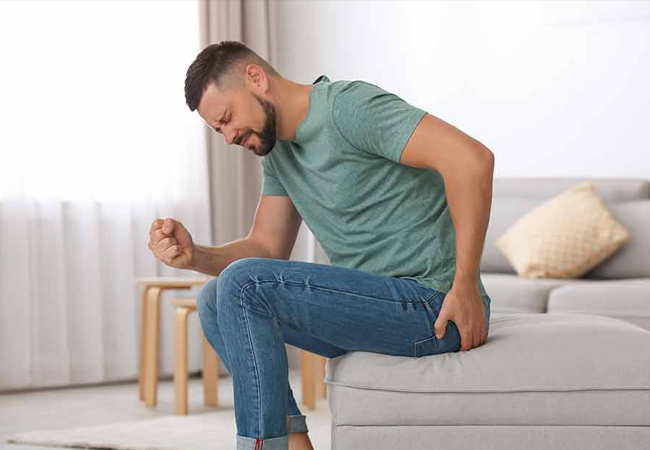
Evolution of Piles Surgery
1. Conventional Hemorrhoidectomy
Conventional hemorrhoidectomy includes the Milligan-Morgan (open) and Ferguson (closed) techniques, involving surgical excision of hemorrhoidal tissue.
Advantages
- Considered the gold standard for Grade III–IV hemorrhoids
- Lowest recurrence rates
- Complete removal of diseased tissue
Disadvantages
- Significant postoperative pain
- Longer healing time
- Risk of complications such as infection and anal stenosis
2. Stapled Hemorrhoidopexy (Longo Procedure)
This technique uses a circular stapling device to reposition prolapsed hemorrhoids and reduce blood supply.
Advantages
- Reduced postoperative pain
- Short hospital stay
- Early return to routine activities
Disadvantages
- Higher long-term recurrence compared to conventional surgery
- Risk of complications like stenosis and incontinence
3. Laser Hemorrhoidoplasty (LHP)
A modern minimally invasive technique using laser energy to shrink hemorrhoidal tissue.
Advantages
- Minimal bleeding
- Less postoperative discomfort
- Day-care procedure
- Rapid recovery
Limitations
Recurrence possible if causative factors persist
4. Doppler-Guided Hemorrhoidal Artery Ligation (DG-HAL / HAL-RAR
Mechanism
- Doppler probe identifies feeding arteries
- Arteries are ligated to reduce blood flow
Advantages
- Tissue-preserving technique
- Minimal postoperative pain
Limitations
Recurrence due to revascularization
5. Radiofrequency Ablation (RFA / Rafaelo Technique)
Uses radiofrequency energy to shrink hemorrhoids
Advantages:
- Minimal discomfort
- Quick procedure
- Fast recovery
6. Ligasure Hemorrhoidectomy
Technique
- Bipolar energy device seals blood vessels during excision
Advantages
- Reduced bleeding
- Shorter operative duration
- Improved surgical precision
Comparative view of Modern Techniques
While minimally invasive techniques provide better patient comfort and quicker recovery, their recurrence rates may be slightly higher compared to conventional hemorrhoidectomy. The choice of procedure depends on the grade of hemorrhoids, patient condition, and surgeon expertise. Importantly, no surgical method alone can prevent recurrence if contributing factors such as constipation and poor lifestyle habits persist.
Why Recurrence Happens After Surgery
Despite technological advancements, recurrence remains a common issue.
Major Causes
- Chronic constipation (Malavibandha – difficult bowel evacuation)
- Excessive straining during defecation
- Low fiber intake
- Sedentary lifestyle
- Obesity
- Weak digestion (Mandagni – impaired digestive fire)
- Suppression of natural urges (Vegadharana – voluntary suppression of urges)
Pathophysiological Aspect
Persistent constipation increases intra-abdominal pressure and venous congestion in the rectal region. Over time, this leads to reformation of hemorrhoidal cushions even after surgical removal. Hence, correction of digestive health and bowel habits is essential.
Ayurvedic View of Piles (Arsha)
In Ayurveda, Arsha is considered a Tridoshaja Vyadhi (disease involving all three doshas) with predominance of Vata.
Samprapti(Pathogenesis)
- Mandagni (weak digestion) leads to formation of Ama (toxic metabolites)
- Ama causes Srotorodha (blockage of body channels)
- Vitiation of Apana Vayu disrupts bowel movement
- Increased pressure results in venous dilation and hemorrhoids
Types of Arsha (Piles)
- Vataja Arsha – painful, dry piles
- Pittaja Arsha – bleeding piles
- Kaphaja Arsha – large, heavy piles
- Sannipataja Arsha – mixed type
- Raktaja Arsha – bleeding due to vitiated blood
Ayurvedic Supportive Management to Prevent Recurrence
1. Agni Deepana (Enhancing Digestive Fire) & Ama Pachana (Toxin Removal)
Herbs Used
- Trikatu (Piper longum, Piper nigrum, Zingiber officinale)
- Chitraka (Plumbago zeylanica)
Actions
- Improves digestion and metabolism
- Prevents formation of Ama dosha (endotoxins)
- Enhances nutrient absorption
2. Malavirechana (Bowel Regulation / Mild Laxation)<
Herbs Used
- Haritaki (Terminalia chebula)
- Isabgol (Plantago ovata)
- Triphala (Terminalia chebula, Terminalia bellirica, Emblica officinalis)
Benefits
- Promotes regular bowel movement
- Softens stool
- Reduces straining
3. Rakta Shodhana (Blood Purification)
- Manjistha (Rubia cordifolia)
- Neem (Azadirachta indica)
These herbs help reduce bleeding tendencies and purify blood.
4. Shothahara (Anti-inflammatory) & Vrana Ropana (Wound Healing)
Herbs
- Nagkesar (Mesua ferrea)
- Lodhra (Symplocos racemosa)
- Kumari (Aloe vera)
These reduce inflammation, control bleeding, and support healing of anorectal tissues.
5. Kshar Karma (Alkaline Para-surgical Therapy)
A classical Ayurvedic procedure involving application of medicated alkaline substances to hemorrhoidal tissue.
Benefits
- Minimally invasive
- Effective in selected cases
- Lower recurrence with proper follow-up
6. Pathya-Apathya (Dietary Guidelines)>
Pathya (Recommended)
- Fiber-rich foods (green vegetables, fruits)
- Whole grains
- Buttermilk (Takra – medicated buttermilk beneficial for digestion)
- Warm water
Apathya (To Avoid)
- Spicy, fried foods
- Junk and processed foods
- Alcohol and smoking
- Excess tea and coffee
7. Lifestyle Modifications
- Avoid prolonged sitting
- Maintain regular physical activity
- Follow fixed bowel routine
- Ensure adequate hydration
- Avoid suppression of natural urges
8. Yoga & Pranayama
- Pavanamuktasana (wind-relieving pose) – improves bowel movement
- Malasana (squatting pose) – facilitates natural defecation
- Anulom Vilom (alternate nostril breathing) – balances Vata Dosha
- Bhastrika Pranayama (forceful breathing technique) – enhances metabolism
Integrative Approach: Surgery with Ayurveda
Role of Surgery
- Provides immediate relief
- Removes hemorrhoidal tissue
- Suitable for advanced cases
Role of Ayurveda
- Corrects digestive dysfunction
- Maintains bowel regularity
- Prevents recurrence
Post-Surgical Ayurvedic Care Plan
- Use of mild herbal laxatives
- Digestive stimulants
- Anti-inflammatory herbs
- Gradual dietary correction
- Stress management through yoga
Clinical Perspective
- Long-term success in piles management depends on patient compliance with dietary and lifestyle modifications. Patients who continue unhealthy habits often experience recurrence regardless of the surgical technique used.
- Ayurveda provides a sustainable framework by strengthening digestion, regulating bowel habits, and maintaining dosha balance. It also improves overall gut health, thereby reducing the likelihood of disease recurrence.
- Preventive strategies such as seasonal detoxification (Ritucharya-based Shodhana – seasonal purification therapies) and daily regimen (Dinacharya – daily healthy routine) and dietary changes further enhance long-term outcomes.
Conclusion
Advancements in surgical management of piles, including laser hemorrhoidoplasty, stapled hemorrhoidopexy, Doppler-guided artery ligation, and radiofrequency ablation, have significantly improved patient comfort and recovery. However, recurrence remains a persistent issue due to uncorrected underlying causes such as constipation, poor diet, and sedentary lifestyle. Ayurveda offers a holistic, root-cause-oriented approach through Agni Deepana (digestive correction), Malavirechana (bowel regulation), Rakta Shodhana (blood purification), and lifestyle modifications. By addressing the fundamental pathology, it plays a vital role in preventing recurrence and improving long-term outcomes.


Dr. Vikram Chauhan
Latest posts by Dr. Vikram Chauhan (see all)
- Management of Olfactory neuroblastoma (ONB) in Ayurveda - September 28, 2026
- What is Aroma Therapy? – How is it an important part of Indian and different cultures since long? - September 18, 2026
- Cow Dung & Wood Heat vs Room Heaters – Health Benefits & Risks - September 17, 2026
- Let’s bust some myths about Infertility and Pregnancy? - September 15, 2026
- Zero Volt Therapy – Benefits, Uses & Holistic Wellness Approach - September 10, 2026