


Mouth Ulcers – Causes, Home Remedies & When They May Signal a Serious Problem
Abstract
Mouth ulcers are a common oral health problem that can affect people of all ages. They may be caused by minor injuries, stress, vitamin deficiencies, hormonal changes, or certain medical conditions. Most mouth ulcers heal on their own and can be managed with simple home remedies such as saltwater rinses, adequate hydration, a balanced diet, and avoiding spicy or acidic foods. However, ulcers that last longer than two weeks, occur frequently, or are accompanied by severe pain, fever, or unexplained weight loss may indicate a more serious health problem and require medical evaluation.
Statistics for Mouth Ulcers
- Mouth ulcers are most commonly seen in individuals aged 10–19 years.
- Globally, the estimated prevalence of mouth ulcers ranges from 2% to 50%.
- Approximately 70–80% of all mouth ulcers are recurrent minor ulcers.
- Major ulcers account for approximately 10% of all cases.
- The lifetime prevalence of mouth ulcers is estimated to be 5–25% of the population.
Some Interesting Facts about Mouth Ulcers
- You cannot “catch” a mouth ulcer because it cannot be transmitted from one person to another.
- Mouth ulcers are medically known as aphthous ulcers and are also commonly called canker sores.
- A small accident, such as biting your cheek, lip, or tongue, can lead to the formation of a painful mouth ulcer.
- Women may experience mouth ulcers more often than men, possibly because hormonal changes can affect the sensitivity of the mouth tissues and the immune response.
- Stress can contribute to the development of mouth ulcers or make them occur more frequently.
- Mouth ulcers may reflect the body’s response to injuries, stress, nutritional deficiencies, or changes in the immune system.
Introduction
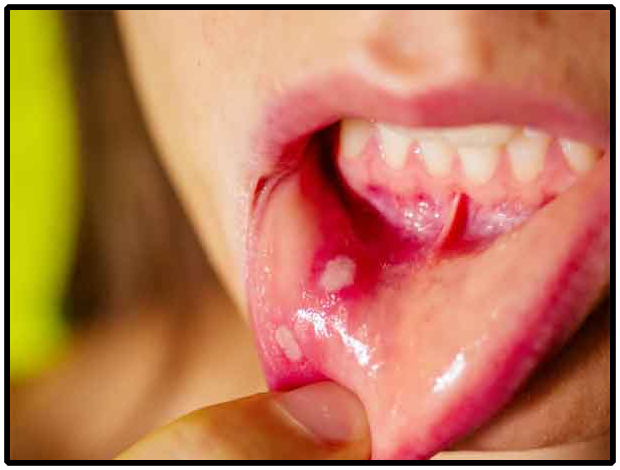
Mouth ulcers are small, painful sores that develop on the soft tissues inside the mouth. They commonly appear on the inner lips, cheeks, tongue, gums, floor of the mouth, or the soft palate. These ulcers typically have a white, yellow, or gray center surrounded by a red, inflamed border. Unlike cold sores, which develop on the outer lips and are caused by a viral infection mouth ulcers are usually non-contagious. Most cases heal on their own within 1–2 weeks without leaving scars. However, some ulcers may be larger, more painful, or recur frequently, requiring medical evaluation. Because of their pain and location inside the mouth, mouth ulcers can make everyday activities such as eating, drinking, speaking, and brushing your teeth difficult and uncomfortable.
Types of Mouth Ulcers
Mouth ulcers can be classified into three main types based on their size, number, severity, and healing time:
- Minor Mouth Ulcers: These ulcers are small, shallow sores that are usually less than 10 mm in diameter. They typically heal within 7–14 days without treatment and do not leave scars.
- Major Mouth Ulcers: These ulcers are larger, deeper, and much more painful than minor ulcers. They are usually larger than 10 mm in diameter and heal slowly, generally within 2–6 weeks. Major ulcers may leave permanent scars after healing.
- Herpetiform Mouth Ulcers: These ulcers are named because they appear in clusters, resembling herpes lesions. They are very small, usually 1–3 mm in size, but several ulcers may merge to form one larger ulcer. They generally heal within 7–14 days and usually do not leave scars.
Based on their Cause: Mouth ulcers can also be classified according to their underlying cause……
- Traumatic Ulcers: These ulcers develop after physical injury to the mouth, such as from sharp or broken teeth, braces, dentures, or burns caused by hot foods and beverages. They usually heal once the source of irritation is removed.
- Recurrent Aphthous Ulcers: These ulcers recur over months or years without any obvious injury. They may be associated with genetics, stress, nutritional deficiencies, or hormonal changes.
Symptoms of Mouth Ulcers
The signs and symptoms of a mouth ulcer can vary depending on its underlying cause, size, location, and severity. Although symptoms differ from person to person, most mouth ulcers share several common features:
- White, Yellow, or Gray Center: Most mouth ulcers have a pale center that appears white, yellow, or gray. This center is covered by a thin layer of damaged tissue, which is a normal part of the healing process and does not usually indicate an infection.
- Painful Sores: Mouth ulcers usually appear as one or more painful sores on the soft tissues inside the mouth, including the inner cheeks, lips, tongue, gums, floor of the mouth, or the roof of the mouth. The pain may range from mild discomfort to severe tenderness and can make everyday activities difficult.
- Pain While Eating or Drinking: The discomfort often becomes worse when eating spicy, salty, acidic, or hot foods and beverages. These substances can irritate the ulcer, causing a sharp or burning sensation.
- Burning Sensation: Before an ulcer becomes visible, many people experience a burning, tingling, or stinging sensation in the affected area. This early warning sign may appear several hours or even a day before the sore develops.
- Red and Inflamed Border: Most mouth ulcers are surrounded by a red, inflamed border. This redness occurs as the body’s immune system responds to the damaged tissue, making the area more sensitive.
- Swelling: The tissue surrounding the ulcer may become swollen, tender, and slightly raised. This swelling is part of the body’s natural inflammatory response as it begins to repair the damaged tissue.
- Difficulty Chewing or Brushing the Teeth: Mouth ulcers can make chewing food, brushing your teeth, or even talking uncomfortable. The tenderness of the affected area may cause people to avoid touching the sore, making it difficult to maintain proper oral hygiene.
Causes of Mouth Ulcers
Mouth ulcers can develop for many different reasons. They may result from minor injuries inside the mouth, infections, nutritional deficiencies, certain medical conditions, or irritation caused by dental appliances. In many cases, the exact cause is unknown, and multiple factors may contribute to their development. Let’s look at the causes in detail.
- Toothbrush Injuries: Brushing your teeth too forcefully or accidentally slipping with the toothbrush can injure the soft tissues inside the mouth. This damage may result in an ulcer that usually heals within a few days.
- Accidental Injury: One of the most common causes of mouth ulcers is accidental injury to the inside of the mouth, such as biting the cheek, lip, or tongue. Even a minor injury can damage the delicate oral lining, resulting in the development of a painful ulcer.
- Sharp Teeth: Broken, chipped, or uneven teeth can repeatedly rub against the inside of the cheeks, lips, or tongue. Continuous friction can irritate the tissues and eventually cause ulcers.
- Burns from Hot Food or Drinks: Eating or drinking very hot food or beverages can burn the lining of the mouth. The damaged tissue may later develop into a painful ulcer during the healing process.
- Dentures or Braces: Poorly fitting dentures, braces, orthodontic aligners, or other dental appliances may constantly rub against the lining of the mouth. This repeated irritation can damage the tissue and increase the risk of ulcer formation.
- Viral Infections: Certain viral infections, especially the herpes simplex virus, can cause painful sores in or around the mouth. These sores are usually accompanied by other symptoms, such as fever or swollen glands, during the initial infection.
- Medications: Some medications can increase the risk of developing mouth ulcers as a side effect. These include certain pain relievers, antibiotics, chemotherapy drugs, and medications used to treat autoimmune or inflammatory diseases.
- Autoimmune Diseases: In autoimmune diseases, the immune system mistakenly attacks healthy tissues, including the lining of the mouth. This can lead to recurrent or long-lasting mouth ulcers.
- Inflammation: Chronic inflammatory conditions, such as oral lichen planus, can cause painful ulcers or sores inside the mouth.
- Nutritional Deficiencies: A deficiency of essential nutrients, including vitamin B2 (riboflavin), folate (vitamin B9), iron, and sometimes vitamin B12, can weaken the tissues of the mouth and increase the likelihood of developing ulcers.
- Stress, Illness, and Fatigue: Emotional stress, physical illness, and extreme tiredness can weaken the body’s natural defenses and trigger or worsen mouth ulcers. Many people notice that ulcers occur more frequently during stressful periods or when they are unwell.
- Oral Cancer: Although most mouth ulcers are harmless and heal within one to two weeks, an ulcer that does not heal, continues to grow, or is painless may be an early sign of oral cancer. Any persistent ulcer should be examined by a healthcare professional.
Home Remedies for Mouth Ulcers
Mouth ulcers can cause pain and discomfort, making it difficult to eat, drink, or speak. Fortunately, several simple home remedies may help relieve symptoms and support the natural healing process. Many of these remedies use easily available household ingredients that possess soothing, anti-inflammatory, or antibacterial properties, which may reduce irritation, ease pain, and promote faster recovery:
- Coconut Oil: Coconut oil may help reduce irritation and protect the ulcer while it heals. Gently apply a small amount to the affected area using a clean finger or a cotton swab. Its natural antimicrobial and anti-inflammatory properties may help reduce bacterial growth and calm inflammation. Reapply several times a day for the best results.
- Clove Oil: Clove oil contains eugenol, a natural compound known for its pain-relieving and antibacterial properties. Applying a small amount of diluted clove oil to the ulcer with a cotton swab may help reduce pain and discomfort. To prevent irritation, always dilute clove oil with a carrier oil, such as coconut or olive oil, before use.
- Salt Water Rinse: Mix one teaspoon of salt in a glass of warm water and rinse your mouth for about 30–60 seconds before spitting it out. Salt water helps clean the ulcer, reduce swelling, and lower the risk of infection. Using this rinse two to three times a day may help the ulcer heal more quickly.
- Honey: Honey is a natural remedy that may help soothe mouth ulcers. Apply a small amount directly to the sore several times a day. Honey possesses antibacterial and anti-inflammatory properties that may reduce pain, protect the ulcer from infection, and keep the affected area moist, allowing it to heal more comfortably. Raw or unprocessed honey is often considered the best choice.
- Turmeric Paste: Turmeric is well known for its natural anti-inflammatory and antibacterial properties. Mix turmeric powder with a small amount of water or honey to prepare a paste, then apply it directly to the ulcer. Leave it on for a few minutes before rinsing your mouth. This remedy may help reduce swelling, discomfort, and bacterial growth.
- Aloe Vera Gel: Aloe vera is widely recognized for its soothing and healing properties. Applying fresh aloe vera gel or pure store-bought aloe vera gel directly to the ulcer may help reduce pain, cool the affected area, and support faster healing. It can be applied several times a day as needed.
- Chamomile Tea Rinse: Chamomile may help soothe irritation and support the healing process. Prepare a cup of chamomile tea, allow it to cool, and use it as a mouth rinse. Alternatively, place a cooled chamomile tea bag directly on the ulcer for a few minutes. Using this remedy two or three times a day may help reduce redness and discomfort.
- Ice Compress: Hold a small ice cube or a piece of crushed ice gently against the ulcer for a short period until the area becomes numb. Wrapping the ice in a clean cloth can make it more comfortable and help protect the delicate tissues of the mouth. This method is particularly helpful for relieving pain caused by ulcers associated with braces or dentures.
When Do Mouth Ulcers Signal a Serious Problem?
Most mouth ulcers heal on their own within one to two weeks. However, some ulcers may require medical attention, especially if they are persistent, severe, or associated with other health problems. Early evaluation can help identify the underlying cause and ensure appropriate treatment. It is important to consult a healthcare professional in the following situations:
- Ulcers Occur Frequently: People who experience mouth ulcers repeatedly or very often should seek medical advice. Frequent ulcers may be associated with vitamin or mineral deficiencies, hormonal changes, stress, immune system disorders, or other underlying medical conditions.
- Ulcers Last for More Than Three Weeks: If a mouth ulcer does not heal within three weeks, it should be evaluated by a dentist or healthcare professional. A persistent ulcer may be linked to an underlying health condition and may require further examination to determine the cause.
- Ulcers Continue to Increase or Become Worse: If the number of ulcers increases, the sores become larger, or they fail to improve with simple home care, medical evaluation is recommended. A healthcare professional can identify the underlying cause and recommend appropriate treatment.
- Ulcers Are Very Large or Extremely Painful: Large ulcers or sores that cause severe pain may require professional treatment. If the ulcer makes it difficult to eat, drink, speak, or maintain proper oral hygiene, a healthcare provider can recommend suitable treatment to relieve discomfort and promote healing.
- Additional Symptoms Appear: Mouth ulcers accompanied by other symptoms, such as fever, swollen lymph nodes, fatigue, or unexplained weight loss, may indicate a more serious underlying condition. These symptoms should be evaluated promptly by a healthcare professional.
- Home Remedies Do Not Provide Relief: If home remedies and over-the-counter products do not improve the ulcer or relieve the pain, it is advisable to consult a dentist or healthcare professional. They may recommend medications, diagnostic tests, or other treatments based on the underlying cause.
Conclusion
Mouth ulcers are common sores that can cause pain, irritation, and difficulty while eating, drinking, speaking, or maintaining oral hygiene. They may develop due to minor injuries, stress, vitamin deficiencies, infections, or underlying medical conditions. Fortunately, many mouth ulcers heal on their own, and simple home remedies can help reduce discomfort and promote healing. However, ulcers that persist for more than three weeks, recur frequently, become unusually large or painful, or occur along with other concerning symptoms should be evaluated by a healthcare professional. Early diagnosis and appropriate treatment can help identify the underlying cause and prevent potential complications.


Dr. Vikram Chauhan
Latest posts by Dr. Vikram Chauhan (see all)
- Hemangiomas(benign vascular tumors) , Causes, Symptoms, Key Facts & Treatment - October 16, 2026
- Top 6 Herbs for stronger bones as per Ayurvedic Texts - October 12, 2026
- Top 4 Herbs for Stronger Liver as per Ayurvedic Texts - October 6, 2026
- Management of Olfactory neuroblastoma (ONB) in Ayurveda - September 28, 2026
- What is Aroma Therapy? – How is it an important part of Indian and different cultures since long? - September 18, 2026