


Fatty Liver: Causes, Symptoms & Ayurvedic Treatment
Introduction
Behind the ribs sits the liver, a quiet powerhouse managing over five hundred vital functions everyday. Fatty liver disease is defined as when too much fat has built up in your liver. Your liver normally contains only a small amount of fat. When more than 5% of the liver’s weight is made up of fat, it is considered fatty liver disease.At first, it may seem harmless, but over time, continued fat buildup can damage the liver and may eventually lead to cirrhosis — permanent scarring of the liver and it’s more common than you might think , making it an important health issue to be aware of. In this article we are going to discuss Fatty liver in detail!
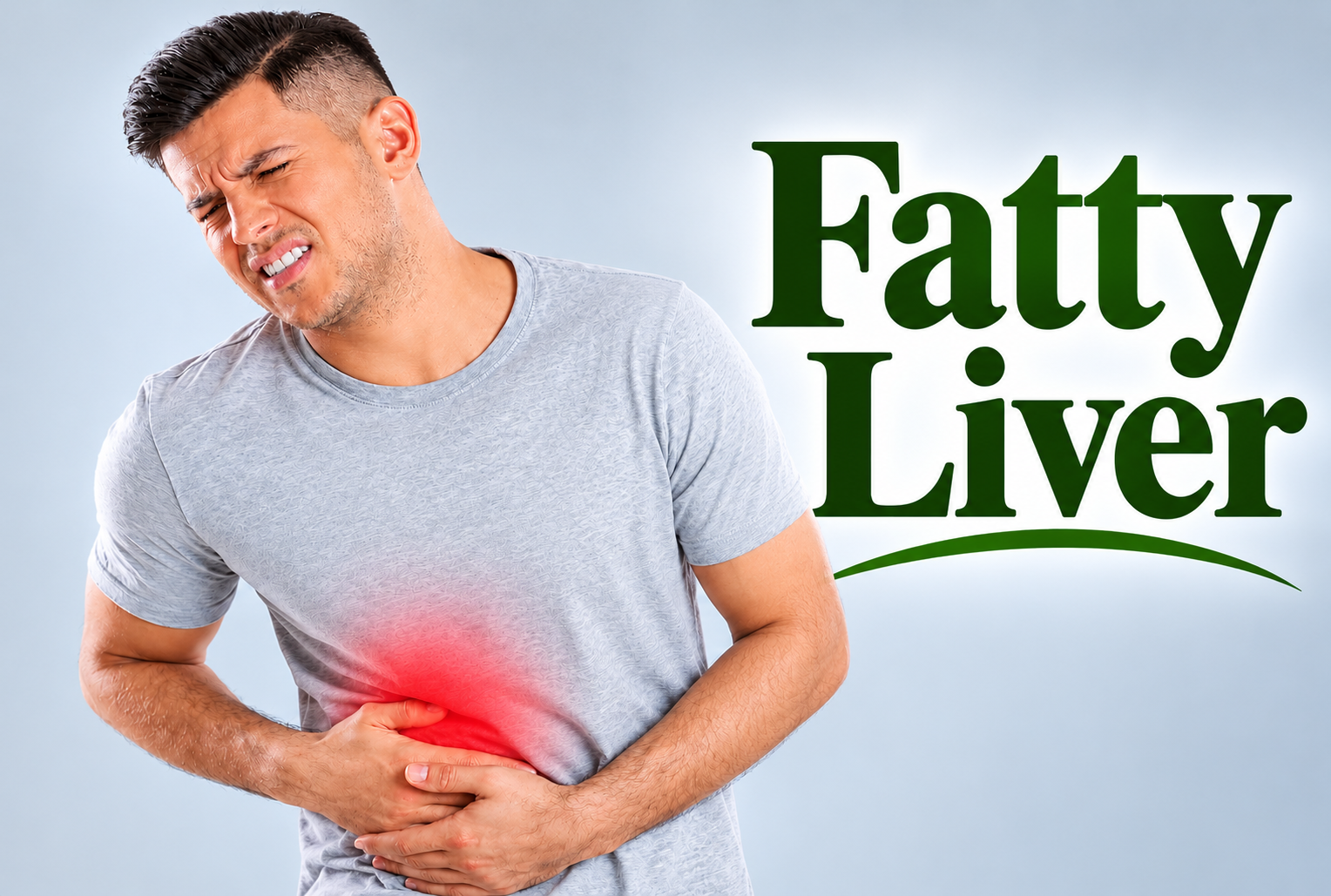
What Is Fatty Liver?
Fatty liver is mostly people who have no symptoms in early stages. A person might have mild signs and feel very tired along with pain in the upper right side of the belly. Fatty liver is a majorly of three types.
- Masld [Metabolic Dysfunction Associated Steatotic Liver Disease] – Also known as non alcoholic liver disease. This is not caused by heavy alcohol use .
- Metabolic Dysfunction-Associated Steatohepatitis (MASH), a title that directly links the liver’s distress to the body’s broader metabolic environment. MASH does not appear overnight. It begins silently with metabolic dysfunction—often driven by conditions like insulin resistance, obesity, type 2 diabetes, or high cholesterol. When the body struggles to process energy correctly, excess fat begins to accumulate inside the liver cells, a state known as steatosis. In its early stages, this accumulation is quiet and goes unnoticed.
- Alcohol Associated Disease – Liver damage is caused by long term alcohol use and leads to permanent scarring and liver failure.
Causes
The causes of fatty liver includes
- Obesity
- Type 2 DM
- Dyslipidemia
- Metabolic syndrome
- Heavy alcohol intake
- Dietary and lifestyle factors
Symptoms
Symptoms of fatty liver include-
- Persistent fatigue
- Abdominal discomfort
- Fluid accumulation
- Gastrointestinal distress
- Vascular signs such as Pallor and Skin signs such as Pruritis
Diagnostic approaches in modern science
- Incidental imaging – abdominal ultrasounds, CT scan, MRI
- Abnormal Blood Work – Particularly ALT and AST
- Vibration-Controlled Transient Elastography (VCTE / FibroScan)
- Enhanced Liver Fibrosis (ELF) TestMagnetic Resonance Elastography (MRE)
Allopathic Treatment Of Fatty Liver
- Statins: Used when indicated for high cholesterol/cardiovascular risk. Fatty liver itself is not a reason to avoid statins.
- Metformin: Excellent for diabetes, but it is not considered a specific treatment for fatty liver/MASH.
- GLP-1 medicines such as semaglutide: Can be useful when obesity or type 2 diabetes is present and can improve MASH through weight loss.
- Pioglitazone: May be considered in selected patients with MASH, particularly when type 2 diabetes is present. It can cause weight gain and edema, so it should be prescribed selectively
- Vitamin E: May be considered in selected non-diabetic, non-cirrhotic patients with MASH, but it is not appropriate for everyone and long-term safety needs consideration.
- Resmetirom: A newer liver-directed treatment for appropriately selected patients with non-cirrhotic MASH and significant fibrosis (F2–F3); it requires specialist assessment and monitoring.
Ayurvedic Outlook
In ayurveda , the liver is known as yakrut . the disease is basically a group of metabolic disorders called as santarpanjanaya vyadhi [metabolic syndrome]
- Imbalance of kapha and meda (Fatty tissue) – In ayurveda the fatty liver involves the imabalance of doshas , the digestive fire [agni] and fat tissues [meda dhatu] .
- Impairment of Agni (Digestive Fire) & Srotorodha (Channel obstruction)-Ayurveda emphasizes that you are not just what you eat, but what you digest. Fatty liver is fundamentally an Agnimandya (weakened or altered metabolic fire)
- Progression to MASH (Inflammation & Scarring)-If the Kapha-driven fat stagnation continues untreated, it begins to disturb
- Pitta Dosha and Vata Dosha -The Pitta Stage (MASH/Inflammation): Stagnant fat begins to “cook” or ferment, triggering heat and chemical inflammation. This mirrors the transition from a simple fatty liver to Metabolic Dysfunction-Associated Steatohepatitis (MASH).
- The Vata Stage (Fibrosis/Cirrhosis): Over time, chronic heat and inflammation dry out the liver tissue. Vata takes over, causing roughness, dryness, and structural hardening—clinically recognized as fibrosis and cirrhosis.
The condition is primarily driven by an imbalance in Kapha Dosha and Meda Dhatu (fat tissue), which impairs the digestive fire (Agni) and creates toxic blockages (Srotorodha) within the liver.The primary causes of fatty liver according to Ayurvedic texts are categorized into specific dietary, lifestyle, and internal factors:
Dietary Causes (Aharaja Hetu)
Consuming foods that heavily increase Kapha and Meda (fat) directly compromises liver health:
- Adhyashana (Overeating): Eating a new meal before the previous one has been fully digested, which overloads the digestive system.
- Samashana (Improper Food Combinations): Frequently consuming incompatible foods (Viruddha Ahara), such as combining milk with fish or sour fruits, which generates metabolic toxins.
- Ati-Madhura and Ati-Snigdhahara: Excessive intake of foods that are too sweet, heavy, deeply fried, or oily. This includes modern equivalents like refined sugars, fast food, and heavy dairy.
- Navanna and Masha: Regular consumption of freshly harvested grains (which are heavy to digest) and heavy lentils like black gram (Urad dal) without balancing spices.
Lifestyle Causes (Viharaja Hetu)
A stagnant daily routine slows down the metabolic fire, allowing fat to settle in the Yakrit:
- Asya Sukha (Sedentary Habits): Sitting for prolonged periods and a general lack of physical exercise (Avyayama). Without movement, the body cannot burn off excess Meda Dhatu (fat).
- Swapna Sukha (Excessive Sleep): Sleeping for too long or sleeping during the day (Diva-Swapna). Day sleeping is one of the most prominent ways to instantly vitiate Kapha dosha, making the metabolic processes highly sluggish.
Internal and Metabolic Causes (Abhyantara Hetu)
- Mandagni (Weak Digestive Fire): This is the root of all metabolic diseases. When the central digestive fire (Jatharagni) and the localized liver fire (Bhootagni) become weak, food is not converted into healthy tissues.
- Ama Utpatti (Production of Metabolic Toxins): Instead of healthy nutrients, the weak digestion produces a sticky, toxic, semi-digested byproduct called Ama.
- Srotorodha (Channel Blockage): This sticky Ama blends with the excess, poorly formed fat (Meda). Together, they enter the blood-carrying channels (Rakta Vaha Srotas) and physically choke or block the micro-channels within the liver. The liver cells become congested, leading to fat accumulation.
The Transition to Inflammation & Hardening
If these causes are not corrected, the stagnant fat begins to alter the other doshas:
- Pitta Vitiation (Inflammation/MASH): The stagnant fat and Ama ferment over time, creating internal heat. This ignites Pitta, causing cellular inflammation and tissue injury.
- Vata Vitiation (Fibrosis/Cirrhosis): Chronic inflammation eventually dries up the natural juices and suppleness of the liver. Vata dosha takes over, causing roughness, dryness, and permanent structural scarring.
Herbs Beneficial In Fatty Liver
- Lekhana Herbs (The Scraping Agents)-Texts specify that when excess fat (Meda) and sticky toxins (Ama) congest an organ, herbs with Tikta (bitter) and Kashaya (astringent) tastes must be used to “scrape” the accumulation away Classical Examples: Bhumyamalaki (Phyllanthus niruri) and Katuki (Picrorhiza kurroa). Katuki is highlighted in ancient pharmacy for its Bhedana property—its ability to break down accumulated, stagnant waste masses and expel them from the body.
- Yakrit-Uttejaka Herbs (The Liver Stimulators)- These are herbs dedicated to correcting Bhootagni (the specific metabolic fire residing within the liver) so the organ can process nutrients correctly rather than storing them as fat. Classical Examples: Kalmegh (Andrographis paniculata) and Rohitaka (Tecomella undulata). Rohitaka is explicitly designated in classical texts as Plihaghna (destroyer of splenic and hepatic enlargements), traditionally utilized whenever an internal organ becomes physically heavy, swollen, or congested .
- Shothahara & Mutrala Herbs (The Fluid Regulators)- When metabolic congestion causes secondary fluid retention or local organ swelling (Shotha), texts advise using rejuvenators that clear the water channels (Udaka Vaha Srotas). Classical Example: Punarnava (Boerhavia diffusa). Classified as a Rasayana (rejuvenator), the texts state that Punarnava restores optimal function to aging or stressed organs by flushing out stagnancy and renewing cellular vitality.
Lifestyle Modifications
The essential lifestyle modifications include:
- Target a Specific Percentage of Weight Loss– If you are overweight or obese, losing weight is the single most effective way to clear liver fat. The specific clinical benchmarks are:
- Lose 3% to 5% of body weight: This is the minimum threshold required to significantly reduce fat accumulation (steatosis) inside liver cells.
- Lose 7% to 10% of body weight: This deeper threshold is necessary if the condition has progressed.
- Crucial Rule: Avoid crash diets. Losing weight too rapidly (more than 1.5 kg per week) floods the bloodstream with a sudden rush of free fatty acids, which can paradoxically worsen liver inflammation. Aim for a steady, gradual loss of 0.5 to 1 kg per week.
- Physical Activity -aerobic exercises , resistance training and reduce sedentary time . also optimize sleep and manage stress .
Diet
Key Foods Recommended (Pathya)
Ayurveda emphasizes foods with Tikta (bitter), Kashaya (astringent), and Katu (pungent) tastes, as well as Laghu (light) and Ruksha (dry) qualities.
Grains & Legumes
- Yava (Barley): Barley is dry, light, and acts as a Lekhana (fat-scraping) grain that helps clear metabolic toxins (Ama).
- Purana Shali (Aged Rice): Red or white rice aged for over a year is easier to digest and less likely to accumulate Kapha.
- Mudga (Mung Beans): Green gram is considered the best pulse because it is light, easy to digest, and does not aggravate Pitta or Kapha.
Vegetables & Herbs
- Tikta Shakha (Bitter Vegetables):
- Karavellaka (Bitter Gourd / Karela)
- Patola (Pointed Gourd)
- Vartaka (Brinjal / Eggplant)
- Spices & Seasonings: Ginger (Shunti), Black Pepper (Maricha), Long Pepper (Pippali) enhance metabolism and clear liver sluggishness. Turmeric (Haridra) and Cumin (Jiraka) are also widely used.
Liquids & Dairy
- Takra (Buttermilk): Churned buttermilk with a dash of roasted cumin powder, rock salt (Saindhava Lavana), and dried ginger is prized in Ayurveda for stimulating digestive fire and treating liver/spleen ailments (Pleeha/Yakrit Roga).
- Ushnodaka (Warm Water): Sipping warm or boiled water throughout the day aids in scraping Ama and boosting digestion
Herbal remedies for Fatty liver by Planet Ayurveda
Planet ayurveda provides best combination of effective herbal remedies such as fatty liver care pack for ayurvedic treatment of fatty liver .these herbal remedies are prepared from using best quality herbs and strictly follow the principles of ayurveda .All these herbal remedies of planet ayurveda are 100 percent pure and natural .these are free from chemicals , additives and preservatives.these are safe to use as these are free from side effects.
FATTY LIVER CARE PACK
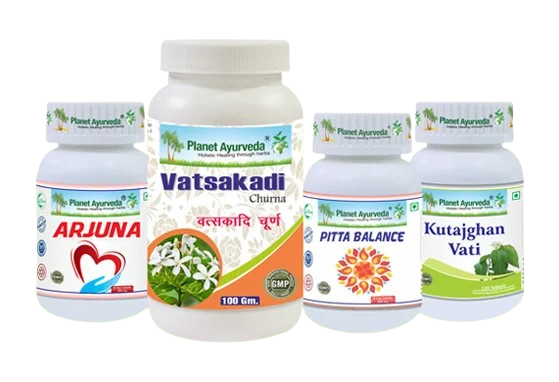

1. Yakrit Plihantak Churna
Yakrit Plihantak Churna is a traditional Ayurvedic herbal formulation prepared with herbs such as Bhumyamalaki (Phyllanthus niruri), Kutaki (Picrorhiza kurroa), Punarnava (Boerhaavia diffusa) and other Ayurvedic ingredients. These herbs are traditionally valued for supporting healthy liver function, digestion and natural metabolic processes. The formulation incorporates herbs with Tikta (bitter) and Kashaya (astringent) tastes and traditionally supports Agni (digestive fire) and healthy metabolism. It may be included as part of an Ayurvedic approach for maintaining normal liver function and supporting the body’s natural detoxification processes.
Dosage: 1 teaspoonful twice daily before meals with warm water.
2. Livo Plan Syrup
Livo Plan Syrup is an Ayurvedic herbal formulation containing Rohitaka (Tecomella undulata), Patola (Trichosanthes dioica) and other traditionally valued herbs. The ingredients are traditionally used in Ayurveda to support healthy liver and spleen function, digestion and balanced metabolism. Rohitaka is traditionally described for supporting Yakrit (liver) and Pliha (spleen), while Patola is valued for its Tikta (bitter) nature and support of digestive balance. Livo Plan Syrup can be incorporated into an Ayurvedic wellness regimen focused on maintaining normal liver function and digestive health.
Dosage: 2 teaspoonfuls twice daily after meals, or as directed by an Ayurvedic physician.
3. Liver Detox Formula
Liver Detox Formula is a polyherbal Ayurvedic formulation containing herbs such as Kutaki (Picrorhiza kurroa), Punarnava (Boerhaavia diffusa), Himsra (Capparis spinosa) and other traditionally used ingredients. These herbs are traditionally valued for supporting healthy liver function, digestion, fluid balance and natural metabolic processes. Kutaki is traditionally recognized for its bitter taste and support of Agni and liver function, while Punarnava is valued for supporting healthy fluid balance and metabolism. The formulation may be included in an Ayurvedic wellness regimen for maintaining normal liver function and digestive health.
Dosage: 1 capsule twice daily after meals with warm water, or as directed by an Ayurvedic physician.
Conclusion
At last we can say that Fatty liver is largely reversible condition , when intervention occurs early , making ayurveda an effective preventive and management framework .fatty liver stems from an imbalance in agni [digestive fire] , leading to accumulation of ama [toxins] and excessive kapha /medas [fatty tissue] .the management is not limited to herbs alone, but relies on triad of ahara [dietary corrections] , vihara [lifestyle habits ] and aushadhi [herbal formulations ] .By integrating these foundational principles, Ayurveda offers not just a temporary fix, but a comprehensive, sustainable framework for restoring liver health and overall metabolic balance.


Dr. Vikram Chauhan
Latest posts by Dr. Vikram Chauhan (see all)
- Fatty Liver: Causes, Symptoms & Ayurvedic Treatment - November 16, 2026
- Chronic Kidney Disease (CKD): Ayurvedic Treatment & Management - November 13, 2026
- Ulcerative Colitis: Causes, Symptoms & Ayurvedic Treatment - November 13, 2026
- Urinary Tract Infection (UTI): Causes, Symptoms & Ayurvedic Treatment - November 11, 2026
- Rheumatoid Arthritis: Ayurvedic Treatment, Herbs & RA Care Pack - November 10, 2026