


Why Do Teeth Become Yellow? – Causes, Prevention & Natural Whitening Tips
Abstract
Yellow teeth, or tooth discoloration, are a common aesthetic concern that affects people of all ages. Tooth discoloration can influence a person’s appearance, confidence, and self-esteem. It may result from both intrinsic and extrinsic factors, including poor oral hygiene, dietary habits, smoking, aging, medications, genetics, and dental trauma. Identifying the underlying cause is essential for selecting the appropriate treatment and preventing further discoloration. Good oral hygiene, healthy lifestyle choices, and regular dental check-ups play an important role in maintaining the natural colour of teeth. Along with professional dental care, certain natural remedies may help reduce superficial stains and support overall oral health.
Statistics on tooth staining
- About 50% of the population is dissatisfied with their tooth colour.
- Only around 6% of people have high visible staining.
- Prevalence of dark stains is 3.1-18.5% due to chromogenic bacteria.
- 79.2% of the population have undergone tooth discoloration treatment.
- Around 32.30% children exhibit teeth staining.
Introduction
Tooth discoloration is the alteration in the natural colour of the teeth and is a common aesthetic concern encountered in dental practice. It can affect one or more teeth and varies in its appearance, severity, cause, and management. Tooth discoloration may develop gradually over time or occur suddenly due to injury or disease.
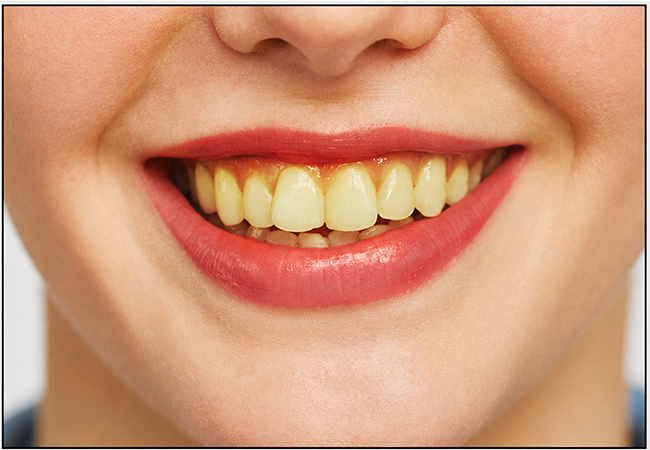
According to its etiology, tooth discoloration is classified into two types
- Intrinsic stains: These stains occur when coloured substances become incorporated within the enamel or dentin during tooth development or after tooth eruption. They may result from developmental disorders, excessive fluoride exposure (dental fluorosis), certain medications such as tetracycline, genetic conditions, aging, or dental trauma. Since these stains develop within the tooth structure, they are more difficult to remove and often require professional dental treatment.
- Extrinsic stains: These stains develop on the outer surface of the teeth due to the deposition of coloured compounds (chromogens) from foods, beverages, tobacco, and certain bacteria. They usually accumulate in areas of plaque build-up or on rough enamel surfaces. Enamel defects such as pits, cracks, and irregularities increase stain retention. Acidic foods and beverages with a low pH can erode enamel, making teeth more susceptible to staining. Yellowish-brown stains caused by tea and coffee are among the most common forms of extrinsic tooth discoloration.
Etiology of tooth staining: Why does it become yellow?
- Poor oral hygiene: Improper brushing and poor oral habits leads to plaque deposition on teeth. With time plaque hardens and converts into calculus formation. This deposition discolors the teeth, giving a yellowish hue. When we eat or drink any chromogenic food, the chromogenic compounds interact with the plaque and produce staining.
- Chromogenic beverages like tea and coffee: Tea and coffee contains tannin that adsorbs plaque and deposits on tooth surface causing yellow or yellowish brown staining. Tannins are naturally present in plants and fruits that have astringent compounds and possess an orangish brown color. When tannins combine with the coloured beverages, stable and indissolvable complexes are formed. Due to acidic pH, the chromogenic effect is exacerbated. Although black and green tea are not highly acidic, they contain tannins that readily stain teeth. Adding milk to tea or coffee may reduce staining because milk proteins can bind to tannins.
- Smoking: Tobacco smoke contains nicotine and tar. When nicotine is exposed to oxygen, it turns yellowish and, together with tar, contributes to tooth staining. Over time, these stains can penetrate deeper into the enamel, making them more difficult to remove.
- Age: As people age, the enamel gradually wears down due to years of chewing and exposure to acidic foods and beverages. As the enamel becomes thinner, the naturally yellow dentin beneath it becomes more visible, making the teeth appear darker or more yellow. Cracked, chipped, or worn enamel caused by attrition and erosion may further increase stain accumulation.
- Genetics: Family history is also a factor that can cause tooth discoloration. The color of teeth depends upon the genes. The shades and hue vary in every individual depending upon their parents’ tooth color.
- Medications: Certain medications can contribute to tooth discoloration either directly or indirectly. Tetracycline antibiotics taken during tooth development can become incorporated into the enamel and dentin, leading to permanent intrinsic staining. Medications such as antihistamines, antipsychotics, and antihypertensives are more commonly associated with dry mouth, which reduces saliva flow and indirectly increases the risk of plaque accumulation and extrinsic staining.
Preventive Measures to follow to avoid yellow teeth
It is rightly said, ‘Prevention is better than cure’. Here are some measures that can be followed to maintain a whiter and brighter smile:
- Maintain good oral habits: Brushing twice a day and flossing daily is part of good oral hygiene. It reduces the plaque and calculus build-up and prevents bacterial load in the mouth. The enamel remains healthy and chances of staining become less. Rough enamel surface leads to staining due to the irregularities on the surface that becomes easy for the chromogens to bind and form complexes.
- Avoid acidic food and drinks: Tea and coffee stain the enamel surface and give a dull and pale appearance. With the presence of tannins in these beverages, staining chances are increased.
- Quit smoking and tobacco: It causes staining on teeth due to the presence of nicotine. Limiting the use of smoking and tobacco can prevent further damage and stubborn staining.
- Drink plenty of water: Drinking water after meals helps to remove stuck food debris and prevent staining as water washes away the acids. Rinsing is also helpful to flush away particles that can cause stains. Hydration prevents dry mouth so plaque accumulation is also prevented.
Natural whitening tips for yellow teeth
- Oil pulling: Coconut or sesame oil possesses antimicrobial properties. Swish one tablespoon of oil in the mouth for 10–15 minutes, then spit it out and rinse thoroughly with water. This practice may help reduce harmful oral bacteria and support overall oral hygiene.
- Triphala: It is a combination of 3 fruits that include: amla, bibhitaki and haritaki. In Ayurveda, it is known for its cleansing properties. To remove stains, Triphala powder can be used in the form of a paste or mouth rinse.
- Turmeric: It has anti-inflammatory and antibacterial properties. Turmeric may help reduce oral bacteria and inflammation, but there is limited scientific evidence that it whitens teeth.
- Baking soda: Baking soda acts as a mild abrasive that helps remove superficial stains from the tooth surface. Mix ½ teaspoon of baking soda with a few drops of water to prepare a paste. Apply it gently using a soft toothbrush and brush lightly. Baking soda should be used occasionally, as excessive or vigorous use may gradually wear down the enamel.
- Eat crunchy fruits and vegetables: Include crunchy fruits and vegetables such as apples, carrots, celery, and strawberries in your diet. Chewing these foods stimulates saliva production, which helps wash away food particles, bacteria, and stain-causing compounds from the tooth surface. They also provide essential vitamins, minerals, and antioxidants that support overall oral health. Although citrus fruits like oranges and lemons are rich in vitamin C, they are acidic and should be consumed in moderation, as frequent exposure may contribute to enamel erosion.
Conclusion
Tooth yellowing is a common dental concern, but it is often preventable and manageable with proper care. Good oral hygiene, a balanced diet, healthy lifestyle habits, and regular dental check-ups play a vital role in maintaining the natural colour of teeth. Factors such as aging, genetics, medications, smoking, and dietary habits can all contribute to tooth discoloration, making it important to identify and address the underlying cause. Drinking plenty of water, limiting stain-causing foods and beverages, and practising proper oral hygiene can help prevent stains and maintain a healthier, brighter smile.


Dr. Vikram Chauhan
Latest posts by Dr. Vikram Chauhan (see all)
- Management of Olfactory neuroblastoma (ONB) in Ayurveda - September 28, 2026
- What is Aroma Therapy? – How is it an important part of Indian and different cultures since long? - September 18, 2026
- Cow Dung & Wood Heat vs Room Heaters – Health Benefits & Risks - September 17, 2026
- Let’s bust some myths about Infertility and Pregnancy? - September 15, 2026
- Zero Volt Therapy – Benefits, Uses & Holistic Wellness Approach - September 10, 2026