


Natural Ways to Remove Plaque from Teeth and Improve Oral Health
Abstract
Dental plaque is a soft, sticky biofilm that continuously forms on the surface of the teeth due to the accumulation of bacteria, food particles, and saliva. After eating, food debris that remains on or between the teeth provides an ideal environment for bacterial growth. As these bacteria multiply, they produce acids that gradually damage the tooth enamel, increasing the risk of cavities, gum disease, and persistent bad breath. If left untreated, plaque can harden into tartar, which cannot be removed by brushing alone. Maintaining good oral hygiene through regular brushing, flossing, and healthy lifestyle habits is essential for preventing plaque buildup. This article discusses the causes, symptoms, risk factors, natural remedies, preventive measures, and effective oral care practices that can help reduce dental plaque and promote long-term oral health.
Introduction
A healthy smile begins with healthy teeth and gums, making proper oral hygiene an essential part of overall well-being. Dental plaque is a soft, sticky, and slimy film that naturally develops on the surface of the teeth. It is composed of bacteria, food debris, and saliva, and begins forming within hours after brushing. Although plaque formation is a normal process, inadequate oral hygiene allows it to accumulate and harbor millions of bacteria that produce harmful acids. These acids weaken the tooth enamel and may lead to tooth decay, gum inflammation, bad breath, and periodontal disease. Over time, untreated plaque can harden into tartar, making it more difficult to remove without professional dental cleaning. Understanding how plaque forms and adopting effective oral hygiene practices are the first steps toward maintaining healthy teeth and preventing dental complications.
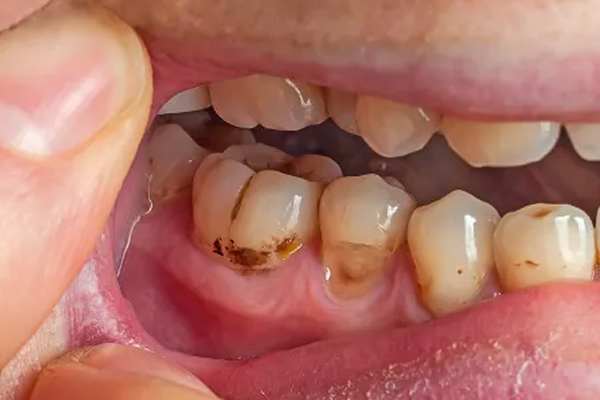
What is Dental Plaque?
Dental plaque is a soft, colorless, sticky biofilm that continuously forms on the teeth. It contains bacteria, food particles, and saliva. If not removed regularly, plaque can damage tooth enamel, irritate the gums, and eventually harden into tartar (dental calculus), which requires professional removal.
Causes of Dental Plaque
- Poor oral hygiene
- Frequent consumption of sugary and starchy foods
- Frequent snacking
- Dry mouth (xerostomia)
- Smoking and tobacco use
- Crooked teeth or braces
- Infrequent dental visits
Symptoms of Dental Plaque
- Bad breath
- Bleeding gums
- Swollen gums
- Yellow deposits near the gumline
- Rough feeling on teeth
- Tooth sensitivity
Plaque vs Tartar
Dental plaque is soft and can be removed by brushing and flossing. If plaque remains on the teeth for several days, minerals in saliva cause it to harden into tartar (calculus). Unlike plaque, tartar cannot be removed at home and requires professional dental scaling.
Natural Remedies That May Help Reduce Dental Plaque
- Oil Pulling: Swish 1 tablespoon of coconut or sesame oil for 10–15 minutes before brushing. Oil pulling may reduce oral bacteria and improve gum health but should not replace brushing and flossing.
- Baking Soda: Brush gently with a small amount of baking soda once or twice weekly. Baking soda helps neutralize acids and may reduce plaque when used in moderation.
- Aloe Vera: Aloe vera gel or mouth rinse has antibacterial and anti-inflammatory properties that may support gum health and reduce bacterial growth.
- Turmeric: Turmeric contains curcumin, which has anti-inflammatory and antimicrobial properties. It may help maintain healthy gums but should be considered supportive rather than a plaque-removing treatment.
- Crunchy Fruits and Vegetables: Apples, carrots, and celery stimulate saliva production, which helps wash away food particles and neutralize acids.
Best Ways to Prevent Plaque
- Brush twice daily with fluoride toothpaste.
- Clean between the teeth daily using floss or interdental brushes.
- Clean the tongue regularly.
- Limit sugary foods and beverages.
- Drink plenty of water.
- Avoid tobacco.
- Visit the dentist every six months.
When to Visit a Dentist
Seek professional dental care if you notice
- Persistent bad breath
- Bleeding gums
- Gum recession
- Loose teeth
- Visible tartar deposits
- Pain or swelling around the gums
Conclusion
Dental plaque is a natural biofilm that continuously forms on the teeth, but it can be effectively controlled through consistent oral hygiene and healthy lifestyle habits. While natural remedies such as oil pulling, aloe vera, baking soda, and a balanced diet may support oral health, they should complement—not replace—daily brushing with fluoride toothpaste, flossing, and regular dental check-ups. If plaque is allowed to harden into tartar, professional dental cleaning becomes necessary. By maintaining good oral hygiene, limiting sugary foods, staying hydrated, and seeking routine dental care, individuals can significantly reduce plaque buildup, protect their teeth and gums, and enjoy long-term oral health and fresh breath.


Dr. Vikram Chauhan
Latest posts by Dr. Vikram Chauhan (see all)
- Top 4 Herbs for Stronger Liver as per Ayurvedic Texts - October 6, 2026
- Management of Olfactory neuroblastoma (ONB) in Ayurveda - September 28, 2026
- What is Aroma Therapy? – How is it an important part of Indian and different cultures since long? - September 18, 2026
- Cow Dung & Wood Heat vs Room Heaters – Health Benefits & Risks - September 17, 2026
- Let’s bust some myths about Infertility and Pregnancy? - September 15, 2026