


Carvedilol Mechanism of Action and Research-Based Ayurvedic Heart Herbs
Cardiovascular diseases remain one of the leading causes of morbidity and mortality worldwide. Medications such as Carvedilol play a vital role in the management of hypertension, chronic heart failure, and left ventricular dysfunction by reducing sympathetic overactivity and improving cardiac function. Unlike conventional beta-blockers, Carvedilol exhibits dual action by blocking both β-adrenergic and α1-adrenergic receptors while also exerting antioxidant and anti-inflammatory effects. Although highly effective in symptom management, it does not eliminate the underlying metabolic and lifestyle factors contributing to cardiovascular disease. Ayurveda approaches heart health through correction of dosha imbalance, strengthening of cardiac tissues (Hridaya), improving circulation, reducing inflammation, and supporting healthy metabolism. Research has identified several Ayurvedic herbs whose mechanisms overlap with some of Carvedilol’s cardioprotective actions. This article discusses the pharmacology of Carvedilol, explains its mechanisms of action, and highlights research-based Ayurvedic herbs that influence similar physiological pathways.
Introduction
Cardiovascular diseases involve complex interactions between hypertension, endothelial dysfunction, oxidative stress, chronic inflammation, metabolic disorders, and excessive activation of the sympathetic nervous system. Persistent stimulation of the heart by stress hormones such as adrenaline and noradrenaline increases cardiac workload, accelerates disease progression, and eventually contributes to heart failure. Carvedilol is a third-generation beta-blocker widely prescribed for hypertension, heart failure, and post-myocardial infarction patients with impaired left ventricular function. Unlike conventional beta-blockers, it possesses additional alpha-blocking and antioxidant properties that make it beneficial in reducing cardiac remodeling and protecting myocardial tissue. Ayurveda considers the heart (Hridaya) as the seat of Ojas, Prana, and consciousness. Disturbances in Vata Dosha, Rakta Dhatu (blood tissue), Rasa Dhatu (extracellular fluids), and Meda Dhatu (adipose tissue) contribute to the development of cardiovascular disorders. Rather than targeting a single receptor, Ayurvedic herbs exert multi-target actions including antioxidant, anti-inflammatory, endothelial protective, lipid-lowering, and cardiotonic effects. Many of these actions complement pathways influenced by Carvedilol.
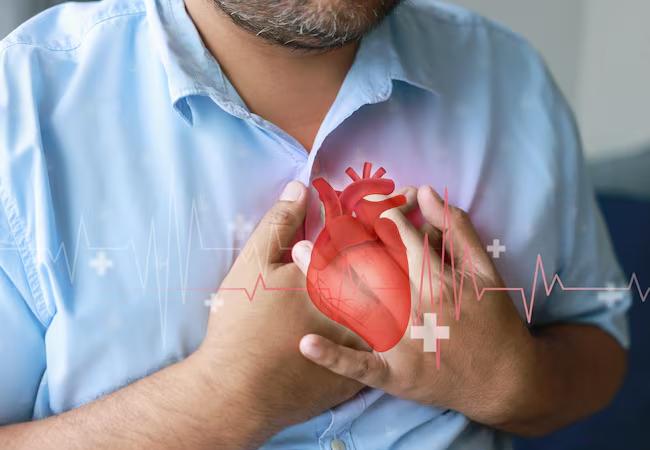
What is Carvedilol?
Carvedilol is a non-selective β-adrenergic receptor blocker with additional selective α1-adrenergic receptor antagonistic activity. It is commonly prescribed for:
- Hypertension
- Chronic heart failure
- Left ventricular dysfunction following myocardial infarction
- Certain cases of ischemic heart disease
Its dual receptor-blocking activity allows it to decrease both heart rate and peripheral vascular resistance, thereby reducing cardiac workload.
Mechanism of Action of Carvedilol
1. Beta-Adrenergic Receptor Blockade: Reducing Cardiac Workload
- The sympathetic nervous system releases adrenaline and noradrenaline during physical activity or stress. These catecholamines bind primarily to β1-adrenergic receptors located on cardiac muscle cells.
- Activation of these receptors stimulates Gs proteins, which activate the enzyme adenylate cyclase. This increases intracellular cyclic AMP (cAMP), leading to activation of protein kinase A (PKA). PKA phosphorylates L-type calcium channels present on the cardiomyocyte membrane, allowing greater calcium entry into the cell. Increased intracellular calcium strengthens myocardial contraction and accelerates heart rate.
- Carvedilol competitively blocks β1 receptors, interrupting this signaling cascade. As cAMP production decreases, calcium entry into cardiac cells is reduced, resulting in weaker myocardial contractions, slower heart rate, reduced oxygen demand, and improved ventricular filling. These effects decrease the workload placed on an already compromised heart.
Ayurvedic Herbs with Similar Functional Effects
- Arjuna (Terminalia arjuna) has been extensively studied as a cardiotonic herb. Although it does not directly block β1 receptors, research suggests that it improves myocardial efficiency, protects cardiac muscle from catecholamine-induced injury, and enhances left ventricular function. Phytochemicals such as arjunolic acid and flavonoids reduce oxidative stress generated during excessive sympathetic stimulation.
- Ashwagandha (Withania somnifera) indirectly reduces sympathetic overactivity by regulating the hypothalamic-pituitary-adrenal (HPA) axis. By lowering cortisol and reducing circulating stress hormones, it may decrease excessive adrenergic stimulation, thereby reducing cardiac stress.
2. Alpha-1 Adrenergic Receptor Blockade: Improving Blood Flow
- Blood vessels contain α1-adrenergic receptors on vascular smooth muscle. When adrenaline binds to these receptors, they activate Gq proteins, which stimulate phospholipase C (PLC). PLC generates inositol triphosphate (IP3) and diacylglycerol (DAG). IP3 releases calcium from intracellular stores, increasing smooth muscle contraction and producing vasoconstriction.
- Carvedilol blocks α1 receptors, preventing this cascade. Reduced intracellular calcium relaxes vascular smooth muscle, causing vasodilation. Consequently, peripheral vascular resistance decreases, making it easier for the heart to pump blood and lowering blood pressure.
Herbs Producing Similar Vasodilatory Effects
- Garlic (Allium sativum) promotes vasodilation through a different pathway. Sulfur-containing compounds stimulate endothelial nitric oxide synthase (eNOS), increasing nitric oxide production. Nitric oxide activates soluble guanylate cyclase, increasing cyclic GMP levels, which relax vascular smooth muscle and reduce vascular resistance.
- Arjuna has also demonstrated endothelial protective effects by improving nitric oxide availability and vascular compliance, thereby enhancing blood flow.
3. Antioxidant Mechanism
- Oxidative stress is a major contributor to cardiovascular disease. Excessive production of reactive oxygen species (ROS) damages endothelial cells, oxidizes lipids, impairs nitric oxide availability, and accelerates myocardial injury.
- Unlike many traditional beta-blockers, Carvedilol possesses intrinsic antioxidant activity. It inhibits lipid peroxidation, scavenges free radicals, and suppresses oxidative damage to cardiac tissues. These actions help preserve endothelial integrity and reduce progressive myocardial dysfunction.
Ayurvedic Herbs with Comparable Antioxidant Actions
- Amalaki (Emblica officinalis) is exceptionally rich in vitamin C, emblicanin A and B, gallic acid, and ellagic acid. Research shows that it activates endogenous antioxidant enzymes including superoxide dismutase (SOD), catalase, and glutathione peroxidase while reducing lipid peroxidation.
- Guduchi (Tinospora cordifolia) enhances antioxidant defense by reducing oxidative stress markers and preserving mitochondrial function.
- Arjuna (Terminalia arjuna) also protects cardiac cells by reducing reactive oxygen species and maintaining membrane stability during ischemic injury
4. Anti-inflammatory Activity
Persistent inflammation contributes to endothelial dysfunction, atherosclerosis, and cardiac remodeling. Cytokines such as TNF-α, IL-6, and IL-1β interfere with normal cardiac function and promote fibrosis. Carvedilol has been shown to suppress inflammatory signaling by reducing activation of nuclear factor-kappa B (NF-κB), a transcription factor responsible for the production of numerous inflammatory mediators. By reducing inflammatory cytokines, Carvedilol helps preserve cardiac function.
Herbs with Similar Anti-inflammatory Actions
- Guduchi (Tinospora codifolia) suppresses inflammatory cytokines including TNF-α and IL-6 while modulating immune responses. This contributes to reduced vascular inflammation.
- Guggulu (Commiphora mukul) contains guggulsterones that exhibit anti-inflammatory effects by influencing NF-κB signaling and reducing inflammatory mediator production.
- Ashwagandha (Wathania somnifera) contains withanolides that reduce inflammatory pathways and oxidative stress, thereby protecting cardiovascular tissues.
5. Prevention of Cardiac Remodeling
Long-standing hypertension and heart failure result in structural changes known as cardiac remodeling. Persistent catecholamine stimulation activates fibroblasts, promotes collagen deposition, and enlarges cardiac muscle cells, ultimately reducing pumping efficiency. By decreasing sympathetic stimulation and oxidative stress, Carvedilol slows ventricular remodeling and helps preserve cardiac architecture.
Comparable Herbs
- Arjuna (Terminalia arjuna) has demonstrated anti-fibrotic and cardioprotective properties in experimental studies. It helps maintain myocardial integrity, improves ventricular function, and reduces structural damage associated with chronic cardiovascular disease.
- Ashwagandha (Wathania somnifera) also exhibits anti-fibrotic potential through reduction of oxidative stress and inflammatory mediators that contribute to tissue remodeling.
6. Improvement of Endothelial Function
Healthy endothelial cells produce nitric oxide, a molecule responsible for maintaining vascular relaxation and preventing platelet aggregation. Oxidative stress decreases nitric oxide availability, leading to endothelial dysfunction. Carvedilol protects endothelial cells by reducing oxidative injury, thereby preserving nitric oxide bioavailability and improving vascular function.
Herbs Supporting Endothelial Health
- Garlic (Allium sativum) enhances nitric oxide production and improves endothelial-dependent vasodilation.
- Amalaki (Emblica officinalis) protects endothelial cells from oxidative injury and improves vascular elasticity.
- Arjuna (Terminalia arjuna) has been reported to improve endothelial responsiveness and coronary circulation.
7. Suppression of Renin-Angiotensin-Aldosterone System (RAAS)
Beta-1 receptors are present not only in the heart but also on juxtaglomerular cells of the kidneys. Their stimulation promotes renin release, initiating the renin-angiotensin-aldosterone system (RAAS), which ultimately produces angiotensin II and aldosterone. These hormones increase vasoconstriction, sodium retention, and blood pressure. By blocking β1 receptors in the kidneys, Carvedilol decreases renin secretion, thereby reducing RAAS activation and indirectly lowering blood pressure.
Herbs Influencing Similar Pathways
- Garlic (Allium sativum) has demonstrated mild angiotensin-converting enzyme (ACE) inhibitory activity in several experimental studies, contributing to reduced angiotensin II formation and improved vascular relaxation.
- Punarnava (Boerhavia diffusa) supports healthy fluid balance through its natural diuretic activity, reducing circulatory volume and easing cardiac workload.
Ayurvedic Perspective on Cardiovascular Health
- Ayurveda does not attribute cardiovascular disorders to a single cause. Heart diseases are generally viewed as the result of disturbed Vata Dosha affecting circulation, aggravated Pitta causing inflammatory changes, and increased Kapha and Meda contributing to vascular obstruction. Impaired Agni (digestive and metabolic fire) leads to the accumulation of Ama, which may obstruct channels (Srotas) and interfere with normal circulation.
- Management therefore focuses on restoring doshic balance, improving Agni, clearing obstructed channels, strengthening Hridaya, and nourishing tissues. Lifestyle modifications, dietary regulation, stress management, regular exercise, and Rasayana therapy are considered equally important alongside herbal interventions.
Research-Based Ayurvedic Herbs for Cardiovascular Support
Several Ayurvedic herbs have been investigated for their cardioprotective properties:
- Terminalia arjuna (Arjuna): Cardiotonic, antioxidant, endothelial protective, anti-ischemic, and myocardial protective.
- Withania somnifera (Ashwagandha): Adaptogenic, anti-inflammatory, antioxidant, and stress-reducing.
- Allium sativum (Garlic): Vasodilatory, lipid-lowering, mild ACE inhibitory, antiplatelet, and endothelial protective.
- Tinospora cordifolia (Guduchi): Antioxidant, immunomodulatory, and anti-inflammatory.
- Emblica officinalis (Amalaki): Potent antioxidant with lipid-lowering and endothelial protective effects.
- Commiphora mukul (Guggulu): Supports healthy lipid metabolism and reduces inflammation.
- Boerhavia diffusa (Punarnava): Natural diuretic that supports fluid balance and cardiovascular function.
- Inula racemosa (Pushkarmool): Traditionally used for Hridroga (cardiac disorders) and shown in experimental studies to possess anti-anginal, antioxidant, and coronary vasodilatory properties.
Although these herbs exhibit mechanisms that overlap with some actions of Carvedilol, they should be viewed as supportive measures rather than direct pharmacological substitutes. Their greatest strength lies in addressing multiple pathological processes simultaneously, including oxidative stress, inflammation, endothelial dysfunction, metabolic imbalance, and tissue nourishment.
Conclusion
Carvedilol is an important cardiovascular medication that combines β-adrenergic blockade, α1-adrenergic antagonism, antioxidant activity, anti-inflammatory effects, and protection against cardiac remodeling. By reducing sympathetic overactivity and improving vascular function, it significantly decreases cardiac workload and improves outcomes in patients with hypertension and heart failure. From an Ayurvedic perspective, cardiovascular health depends upon balanced doshas, healthy circulation, efficient metabolism, and strong cardiac tissues. Research indicates that herbs such as Arjuna (Terminalia arjuna), Ashwagandha (Withania somnifera), Garlic (Allium sativum) , Guduchi (Tinospora cordifolia), Amalaki (Emblica officinalis), Guggulu (Commiphora mukul), Punarnava (Boerhavia diffusa), and Pushkarmool (Inula racemosa) influence many of the same physiological processes targeted by Carvedilol, including oxidative stress reduction, endothelial protection, modulation of inflammatory pathways, improvement of vascular function, and preservation of myocardial health. While these herbs do not directly replace the receptor-blocking actions of Carvedilol, their multi-target approach may complement conventional cardiovascular care and support long-term heart health when incorporated under the guidance of qualified healthcare professionals.


Dr. Vikram Chauhan
Latest posts by Dr. Vikram Chauhan (see all)
- What is Aroma Therapy? – How is it an important part of Indian and different cultures since long? - September 18, 2026
- Cow Dung & Wood Heat vs Room Heaters – Health Benefits & Risks - September 17, 2026
- Let’s bust some myths about Infertility and Pregnancy? - September 15, 2026
- Zero Volt Therapy – Benefits, Uses & Holistic Wellness Approach - September 10, 2026
- Integrative Oncology – Dendritic Cell Therapy and Ayurveda - September 10, 2026