


Bleeding Gums – Common Causes, Home Remedies & When to See a Dentist
Abstract
Bleeding gums usually indicate inflammation or irritation of the gum tissues. It is commonly an early sign of gum disease. It can occur due to various causes, such as poor oral hygiene, hormonal changes, diet, lifestyle, age, or certain underlying health conditions. Gums that become red, swollen, or tender are more prone to bleeding. The buildup of plaque and tartar can worsen the condition. Bleeding gums should be treated promptly, as persistent irritation, inflammation, and bleeding can lead to advanced stages of gum disease and its complications. Regular brushing and flossing with a soft-bristled toothbrush, along with routine dental check-ups, are important for maintaining healthy gums. Understanding the underlying cause can help manage disease progression. Certain home remedies may also help relieve symptoms and support healthy gums.
Statistics on Bleeding Gums
- About 83–90% of the adult population experience bleeding gums.
- About 24% of adults experience bleeding gums while brushing.
- The prevalence is higher among young adults (21–30 years) and older adults (65 years and above).
- About 98% of people experience bleeding gums due to poor oral hygiene.
- Bleeding gums are often neglected by about 60% of affected adults.
- Only 2.8% of affected adults seek treatment.
Introduction
Bleeding gums should not be ignored, as they may indicate an underlying dental problem. They can bleed while brushing, flossing, or even while eating certain foods. Bleeding gums are commonly an early sign of gingivitis, the initial stage of gum disease. Occasional mild bleeding may occur, but persistent or frequent bleeding requires attention. Bleeding gums indicate that something is affecting the health of the gums and should be evaluated to prevent disease progression.
Signs and Symptoms of Bleeding Gums
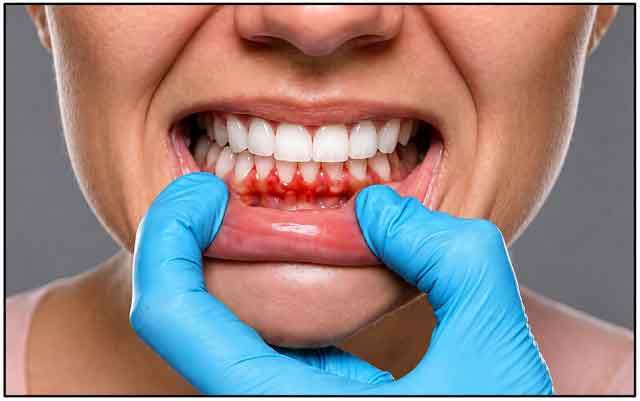
- Red or swollen gums
- Tender or sensitive gums
- Bleeding while brushing, flossing, or eating
There are different stages of gum disease. The early stage is called gingivitis, while the advanced stage is known as periodontitis. In the early stages, the gums become red, swollen, tender, and bleed easily. As the disease progresses, symptoms may include bone loss, gum recession, tooth mobility, and eventually tooth loss. Bleeding gums can also indicate an underlying health condition, so identifying and treating the cause is important to prevent further damage.
10 Common Causes of Bleeding Gums
- Buildup of Plaque: Poor oral hygiene, including inadequate brushing and flossing, allows plaque to accumulate along the gumline. Over time, this irritates the gum tissues and causes inflammation. If plaque is not removed, it becomes mineralized and forms hard deposits called tartar (calculus). Tartar cannot be removed by regular brushing and requires professional dental cleaning. It weakens the gum tissues, making them more likely to bleed.
- Harsh Brushing: Brushing aggressively or using a hard-bristled toothbrush can injure the gum tissues. Repeated trauma causes irritation and bleeding, which should not be considered normal.
- Gingivitis: Gingivitis is the earliest stage of gum disease. Plaque accumulation increases the bacterial load, and these bacteria cause irritation of the gum tissues, leading to redness, swelling, and discomfort. Over time, the inflammation causes the gums to bleed. Because bleeding is often painless, many people ignore this early warning sign, allowing the disease to progress.
- Periodontitis: Periodontitis is the advanced stage of gum disease and may lead to bone loss, gum recession, tooth mobility, and even tooth loss if left untreated. Patients may experience persistent gum bleeding, especially while brushing or flossing.
- Vitamin Deficiency: Vitamins C and K are essential for healthy gums. Vitamin C supports collagen production and healthy gum tissues, while vitamin K plays an important role in normal blood clotting. Deficiency of these vitamins can weaken the gums and make them more prone to bleeding. Vitamin K deficiency may also impair normal blood clotting, leading to prolonged bleeding.
- Hormonal Changes and Pregnancy: Hormonal changes increase blood flow to the gums and alter the body’s immune response. This commonly occurs during puberty, menstruation, pregnancy, and menopause. As a result, the gums become red, swollen, tender, and more likely to bleed. Proper oral care during these periods is essential.
- Smoking: Long-term smoking increases the risk of gum disease. Smoking reduces blood supply to the gums, delays healing, and weakens the body’s immune response, making the gums more susceptible to infection and bleeding.
- Medications: Blood thinners (anticoagulants) prolong bleeding time and may increase the tendency for gums to bleed. Some anti-epileptic medications may also cause gum enlargement (gingival overgrowth), making the gums more prone to irritation and bleeding.
- Systemic Conditions: Health conditions such as diabetes, leukemia, platelet disorders, and certain bleeding disorders increase the risk of bleeding gums. These conditions can impair healing, weaken immunity, or affect normal blood clotting.
- Dental Appliances and Dentures: Ill-fitting dentures and orthodontic appliances may continuously rub against the gums, causing irritation and increasing the likelihood of bleeding.
Home Remedies to Manage Bleeding Gums
- Saltwater Rinses: Warm saltwater may help soothe irritated gums and maintain oral hygiene. Mix ½ teaspoon of salt in one glass of warm water and rinse gently for about 1–2 minutes twice daily.
- Green Tea: Green tea contains antioxidants called catechins, which may help reduce inflammation. Drinking green tea regularly may support gum health. A cooled green tea bag may also be gently placed over the affected gums for temporary soothing.
- Hydrogen Peroxide: Hydrogen peroxide mouth rinses should only be used as directed by a dentist, as improper use may irritate the gums. It should never be swallowed.
- Turmeric: Turmeric contains curcumin, which has anti-inflammatory and antibacterial properties. Make a paste by mixing turmeric with a few drops of water. Apply it gently to the affected gums for about 4–5 minutes and rinse thoroughly afterward.
- Raw Honey: Raw honey has natural antimicrobial and anti-inflammatory properties. Gently applying a small amount to the gums may help soothe irritated gum tissues.
- Coconut Oil Pulling: Coconut oil has anti-inflammatory and antibacterial properties. Oil pulling may help improve oral hygiene and reduce plaque, but it should not replace regular brushing and flossing. Swish one tablespoon of coconut oil in the mouth for about 30–40 seconds, then spit it out and rinse with water.
- Increasing Vitamin C and K Intake: A diet rich in vitamins C and K supports healthy gums. Good sources of vitamin C include oranges, amla, guava, kiwi, strawberries, and bell peppers. Good sources of vitamin K include spinach, broccoli, kale, and other green leafy vegetables.
When to See a Dentist and Treatment Measures
Bleeding gums are often an early sign of gum disease. If bleeding persists for more than two weeks, professional dental evaluation is recommended.
Consult a dentist if you experience
- Persistent, spontaneous, or heavy bleeding
- Persistent bad breath
- Severe pain
- Swollen gums
- Loose teeth
- Pus discharge from the gums
- Bleeding accompanied by fever or infection
- Bleeding gums along with diabetes, blood disorders, or other underlying medical conditions
Even with proper oral care, if bleeding continues for more than two weeks, a dental consultation is important. Early diagnosis helps identify the underlying cause and prevents disease progression.
Treatment Measures
- Scaling and Root Planing: This procedure removes plaque and tartar from above and below the gumline and smoothens the root surfaces. Professional dental cleaning should be performed as recommended by your dentist, depending on your oral health needs.
- Medications: Antibiotics are prescribed only when there is evidence of a bacterial infection. Dentists may also recommend antimicrobial mouthwashes or topical antimicrobial gels when appropriate.
- Flap Surgery or Gum Grafting: In severe cases of periodontitis, flap surgery or gum grafting may be recommended to restore gum health.
- Management of Underlying Causes: Conditions such as diabetes, blood disorders, vitamin deficiencies, or poorly fitting dental appliances should be identified and managed appropriately to control gum bleeding.
Conclusion
Bleeding gums are commonly caused by plaque buildup and gum inflammation and are often an early sign of gum disease. Common causes include poor oral hygiene, hormonal changes, smoking, certain medications, nutritional deficiencies, and underlying health conditions. With good oral hygiene, a balanced diet, and timely dental care, the symptoms can often be effectively managed. Seeking professional dental advice at an early stage helps identify the underlying cause, prevents disease progression, and improves treatment outcomes. Home remedies may provide supportive relief but should not replace professional dental care when persistent bleeding is present.


Dr. Vikram Chauhan
Latest posts by Dr. Vikram Chauhan (see all)
- Management of Olfactory neuroblastoma (ONB) in Ayurveda - September 28, 2026
- What is Aroma Therapy? – How is it an important part of Indian and different cultures since long? - September 18, 2026
- Cow Dung & Wood Heat vs Room Heaters – Health Benefits & Risks - September 17, 2026
- Let’s bust some myths about Infertility and Pregnancy? - September 15, 2026
- Zero Volt Therapy – Benefits, Uses & Holistic Wellness Approach - September 10, 2026