


Globus Pharyngeus: Ayurvedic Treatment & Remedies
ABSTRACT
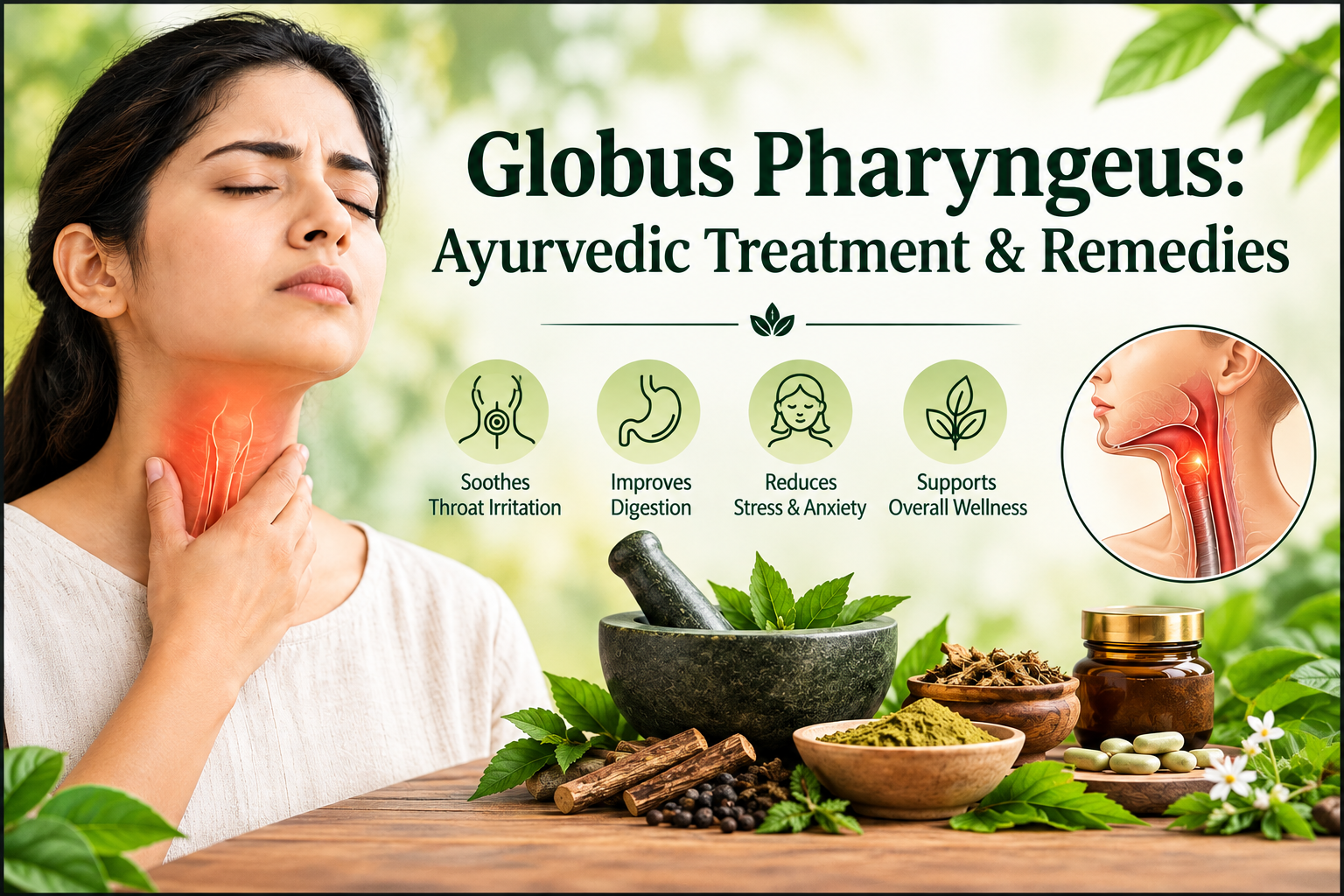
Pharyngeal hypertonicity and neuromuscular disturbances represent a complex interplay of autonomic nervous system reactivity, upper esophageal sphincter dynamics, and subtle mucosal irritations that disrupt normal swallowing comfort. These conditions manifest across a broad spectrum, ranging from intermittent throat discomfort triggered by emotional stress or fatigue to chronic, debilitating sensations of a lump or tightness affecting swallowing ease, vocal quality, and overall quality of life. The development of globus pharyngeus involves intricate disturbances in pharyngeal muscular coordination, cranial nerve pathways, and visceral sensory processing centers, often leading to deep functional impairment like persistent throat clearing and a depletion of upper digestive systemic vitality. Among these functional pharyngeal disorders, Globus Pharyngeus stands out as a distinct structural and functional sensation in the throat, where patients feel an obstruction despite normal swallowing mechanics. We shall discuss more about it in the text below and explore the holistic, Ayurvedic perspective of managing this neuromuscular and digestive pharyngeal condition.
Introduction
Globus pharyngeus, clinically recognized as the non-painful sensation of a lump or tightness in the throat, is a prevalent functional gastrointestinal and otorhinolaryngological disorder where patients feel an obstruction despite normal swallowing mechanics and the absence of a true anatomical mass. This condition highlights the profound and delicate relationship between pharyngeal neuromuscular regulation, upper esophageal sphincter dynamics, and psycho-emotional well-being. While acute forms can develop due to transient viral infections, severe anxiety, or dietary indiscretions, chronic or recurrent globus pharyngeus remains a challenging presentation in clinical practice. It severely impacts a person’s comfort, eating experience, and mental peace due to the persistent urge to clear the throat and the anxiety of potential underlying pathology.
Pathophysiology And Neurobiology
The underlying pathophysiology of globus pharyngeus centers primarily on neuromuscular dysregulation of the pharynx and esophagus, compounded by visceral hypersensitivity and autonomic reactivity. A key mechanism involves the abnormal tension and relaxation patterns of the upper esophageal sphincter (UES) and surrounding striated muscles of the pharynx.
- Neuromuscular Hypertonicity: Discomfort often stems from abnormal resting tone or heightened contraction of the cricopharyngeus muscle and inferior pharyngeal constrictors, creating a sustained physical sensation of tightness or pressure in the throat.
- Laryngopharyngeal Reflux (LPR) and Irritation: Concurrently, retrograde flow of gastric acid and pepsin into the upper airway exposes the sensitive laryngeal and pharyngeal mucosa to chemical irritation, triggering localized inflammation, edema, and reflex pharyngeal spasms.
- Visceral Hypersensitivity and Stress: Psychological factors, anxiety, and heightened somatic awareness play a pivotal role. Stress activates the autonomic nervous system, lowering the threshold for pharyngeal sensation so that normal peristaltic movements or minor mucosal friction are erroneously perceived as a physical lump.
Epidemiology
- Globus pharyngeus is highly prevalent worldwide, accounting for a significant percentage of otorhinolaryngology clinic visits, affecting a substantial portion of the adult population at some point in their lives.
- It affects males and females across various age groups, though certain studies indicate a higher reported prevalence among middle-aged individuals, with a notable association with stress and anxiety disorders.
- The typical age of onset can vary, frequently emerging during periods of high emotional stress, lifestyle transitions, or following upper respiratory tract infections.
- While not strictly hereditary, familial patterns of stress vulnerability, gastrointestinal sensitivities, or reflux tendencies can predispose individuals to developing the condition.
Clinical Features
Globus pharyngeus presents with distinct sensory sensations in the throat alongside a unique set of accompanying vegetative and functional features. Symptoms characteristically manifest or worsen during periods of stress, fatigue, or dry swallowing, while paradoxically easing during eating ordrinking:
- Persistent Lump Sensation: A constant or intermittent feeling of a foreign body, tightness, mucus, or a pill stuck in the throat that cannot be cleared or swallowed down.
- Throat Clearing and Irritation: A frequent, non-productive urge to clear the throat, accompanied by mild tickling or scratchiness.
- Absence of Dysphagia: Notably, true difficulty swallowing (dysphagia) or pain during swallowing (odynophagia) is absent, distinguishing globus from structural obstructions.
- Fluctuating Severity: Symptoms often improve during meals when swallowing is frequent, but intensify during periods of emotional stress, fatigue, or quiet reflection.
- Psychological Impact: Marked by health anxiety, fear of serious throat or esophageal pathology, and heightened focus on the throat sensation.
Diagnosis
- Diagnosis relies on a thorough clinical history and physical examination, including a careful ear, nose, and throat (ENT) assessment using flexible laryngoscopy to rule out structural lesions, tumors, or acute inflammation.
- Diagnostic evaluations, such as barium swallow studies, upper gastrointestinal endoscopy, or 24-hour pH monitoring, may be utilized when reflux or motility disorders are suspected.
- Differential diagnostics include ruling out true anatomical strictures,esophageal web, thyroid enlargement, cervical spine abnormalities, or neuromuscular diseases like myasthenia gravis.
Treatment Strategies
Conventional medical management utilizes a multimodal approach aimed at reducing acid exposure, relaxing pharyngeal tension, and addressing underlying psychological factors.
- Acid Suppression Therapy: The first-line intervention for suspected LPR involves prescribing Proton Pump Inhibitors (PPIs) or H2 blockers to reduce gastric acid production and prevent mucosal irritation.
- Lifestyle and Dietary Modifications: Avoiding trigger foods such as caffeine, alcohol, spicy meals, and late-night eating to minimize reflux episodes.
- Behavioral and Psychological Support: When stress and anxiety are primary drivers, speech-language therapy, cognitive behavioral therapy (Chet), or relaxation techniques are employed to reduce pharyngeal hypertonicity.
Ayurvedic Approach And Management
In classical Ayurveda, Globus pharyngeus can be understood through the lens of Prana Vata and Udana Vata dusti affecting the Kantha (throat) and Pranavaha Srotas, aligning closely with conditions like Kantha Shalakya or Vata-Kapha predominant throat disorders. It involves the destabilization of Udana Vata (the sub-dosha of Vata governing upward movements, speech, and swallowing), Pachaka Pitta and Samana Vata (governing digestion and upper gastrointestinal function), along with Kledaka Kapha (responsible for lubricating the mucous membranes of the upper respiratory and digestive tracts). The condition represents a localized state of Majjavaha, Rasavaha, and Annavaha Srotas Dushti (vitiation of nervous, nutrient, and digestive channels).
Dosha Involvement
- Vata Dosha: Prana and Udana Vata are primary drivers. Their vitiation causes functional spasms, dryness, and hypersensitivity in the Kantha Mamsapeshi (throat muscles) and impairs nerve conduction, creating the deceptive feeling of a foreign body.
- Pitta Dosha: Vitiated Pachaka Pitta or upward moving heat (Amlapitta association) irritates the delicate pharyngeal lining, causing a burning or prickly sensation.
- Kapha Dosha: Imbalance in Kledaka Kapha leads to abnormal mucous accumulation or excessive dryness, contributing to the sensation of thick mucus stuck in the throat.
The disease pathway begins when an imbalance in Vata combined with emotional stress and Agni Mandya (weakened digestive fire) creates Ama (toxins) and micro-obstructions in the upper channels. This starves the pharyngeal tissues of uniform nourishment, leading to spasmodic contractions and the clinical manifestation of globus.
- Srotas Shodhana (Channel Cleansing): Removing microvascular and mucous blockages within the throat network to restore free-flowing nerve and digestive impulses.
- Vata-Kapha Anulomana: Regulating the downward and normal flow of Vata and balancing Kapha to relieve pharyngeal muscle spasms and dryness.
- Agni Deepana (Enhancing Digestion): Stoking the digestive fire to eliminate Ama and correct underlying gastrointestinal reflux tendencies.
- Mano-Prasadana (Mental Calming): Pacifying the mind and nervous system to alleviate stress-induced pharyngeal tension.
Important Ayurvedic Herbs Used
- Yashtimadhu (Glycyrrhiza glabra): A premier soothing and anti- inflammatory herb that pacifies Vata and Pitta, heals irritated throat mucosa, and provides deep comfort.
- Shankh Pushpi and Brahmi: Powerful nervine tonics that calm the nervous system, reduce stress-induced somatic symptoms, and stabilize Udana Vata.
- Triphala: A balanced formulation that cleanses the digestive tract, balances all three Doshas, and supports healthy upper gastrointestinal function.
Dietary And Lifestyle Guidelines (Pathya-Apathya)
Pathya (Recommended)
- Warm, freshly prepared, light-to-digest meals cooked with digestive spices like cumin and fennel.
- Regular consumption of warm water, soothing herbal teas, and adequate hydration.
- Maintaining regular meal timings and practicing relaxation techniques or yoga to manage stress.
Apathya (To Avoid)
- Pungent, excessively spicy, sour, and heavily fried foods that aggravate Pitta and trigger acid reflux.
- Cold, carbonated, or iced beverages that increase Vata and cause pharyngeal constriction.
- Suppressing natural urges, late-night eating, and high stress levels that aggravate Vata Dosha.
Yoga And Mind-Body Support
Specific practices are essential to relieve throat tension and calm the nervous system.
- Ujjayi Pranayama (Ocean Breath): Gentle throat-focused breathing that brings awareness, warmth, and relaxation to the pharyngeal region.
- Neck and Shoulder Stretches: Gentle loosening exercises to release muscular tension in the neck and upper back that contribute to throat tightness.
- Meditation and Mindfulness: Practices focused on stress reduction to break the cycle of anxiety and physical symptom amplification.
Herbal Remedies For Globus Pharyngeus by Planet Ayurveda
Planet Ayurveda is an internationally acclaimed Ayurvedic wellness institution dedicated to spreading holistic healing through 100% authentic, pure, and premium herbal formulations. Grounded in classical Ayurvedic frameworks, Planet Ayurveda manufactures its natural supplements under strict quality protocols, ensuring they are free from heavy metals, synthetic chemicals, fillers, and artificial additives. Sourcing wildcrafted and organically grown herbs globally, the company delivers reliable natural solutions to restore harmony to the body and mind.
Product List
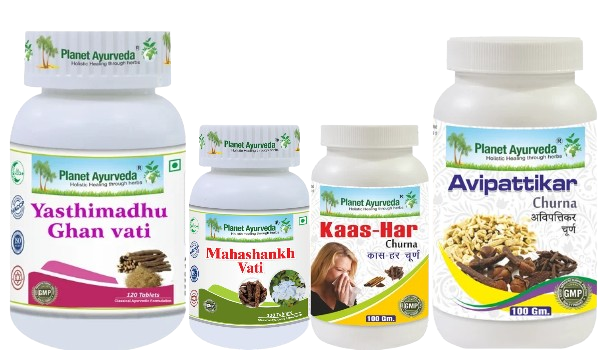
- Yashtimadhu Ghan vati
- Mahashankh vati
- Kaas Har churna
- Avipattikar churna
Globus Pharyngeus: Ayurvedic Treatment & Remedies

Product Description
1. YASTIMADHU GHAN VATI
contains pure, concentrated extracts of Glycyrrhiza glabra, renowned in classical texts as a superior soothing and anti- inflammatory rejuvenator. This formulation supplies deep, unctuous nourishment and comforting demulcent properties to dry, irritated pharyngeal tissues, calming the erratic movements of Prana and Udana Vata. By fortifying the structural integrity of the throat mucosa and easing muscular tension, it assists in soothing the persistent sensation of a lump and restoring smooth, comfortable swallowing mechanics.
Dosage: 2 tablets twice daily, with plain water, after meals.
2. MAHASHANKH VATI
is a classical mineral and herbal formulation meticulously prepared to address digestive fire imbalances, gastrointestinal distress, and acid reflux tendencies. Rich in potent carminative minerals and digestive salts, it acts directly on the Annavaha and Purishavaha Srotas (digestive and metabolic channels). It corrects Agni Mandya (weakened digestion), eliminates Ama (toxins), and neutralizes upward-moving Pitta and acid irritation that trigger pharyngeal spasms, making it an indispensable asset in relieving throat tightness.
Dosage: 2 tablets twice daily to be chewed 20 minutes before meals.
3. KAAS HAR CHURNA
is a specialized classical herbal powder designed to combat throat irritation, minor respiratory congestion, and chronic tickling sensations in the airway. It acts as a powerful soothing expectorant and channel cleanser, clearing mucous and Vata-Kapha blockages within the Kantha (throat region). By soothing hypersensitive mucosal nerve endings and clearing local obstructions, it reduces the frequent, non-productive urge to clear the throat.
Dosage: 1/2 tsp twice daily, with warm water or honey.
4. AVIPATTIKAR CHURNA
is a renowned classical herbal formulation designed to cleanse the gastrointestinal tract, balance Pitta Dosha, and regulate normal bowel movements. By pacifying heightened Pitta and eliminating excess heat and acidity from the stomach, it prevents the retrograde flow of gastric contents that irritate the laryngeal and pharyngeal lining. It cools the digestive tract, clears Srotas obstructions, and supports upper gastrointestinal harmony.
Dosage: 1 tsp twice daily with lukewarm water.
Conclusion
Globus pharyngeus is a multifaceted functional condition that challenges an individuals comfort and peace of mind. While conventional acid suppression and reassurance offer targeted relief, incorporating an integrative Ayurvedic protocol provides a comprehensive approach to healing. By focusing on pacifying Udana Vata, clearing channel obstructions, soothing mucosal irritation, and utilizing targeted classical formulations like Yashtimadhu Ghanvati, Mahashankh Vati, Kaas Har Churna, and Avipattikar Churna, Ayurveda repairs the core neuromuscular and digestive vulnerabilities that cause the persistent lump sensation in the throat.


Dr. Vikram Chauhan
Latest posts by Dr. Vikram Chauhan (see all)
- Herniated Disc & Ayurveda: Herbs, Diet and Lifestyle Guide - October 21, 2026
- Globus Pharyngeus: Ayurvedic Treatment & Remedies - October 21, 2026
- Urinary Tract Infection (UTI): Causes, Symptoms & Ayurvedic Care - October 21, 2026
- Prostate Cancer: Symptoms, Treatment & Ayurvedic Support - October 20, 2026
- Metachromatic Leukodystrophy: Symptoms & Ayurvedic Care - October 19, 2026