


Teeth Grinding (Bruxism) – Causes, Symptoms & Effective Solutions
Abstract
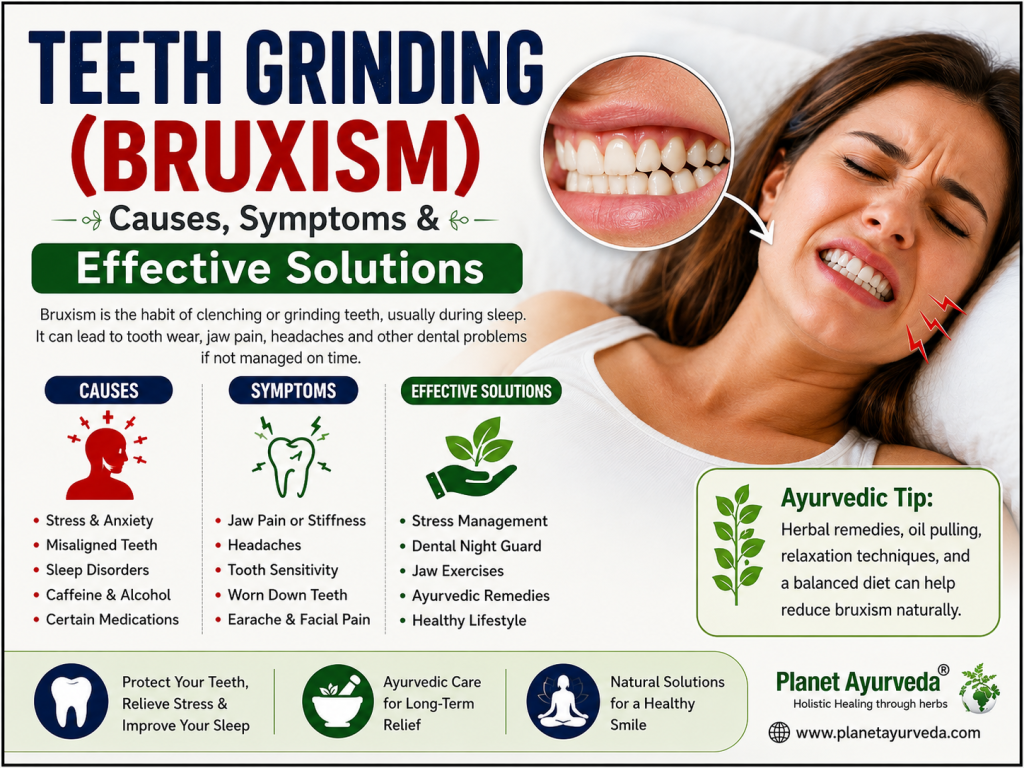
Bruxism is a condition in which a person unconsciously clenches, grinds, or rubs their teeth together. It can occur during wakefulness (awake bruxism) or while sleeping (sleep bruxism), often without the individual realizing it. Common contributing factors include emotional stress, anxiety, sleep-related disorders, certain medications, lifestyle habits, and, in some cases, underlying neurological conditions. Although bruxism may initially occur without noticeable symptoms, persistent teeth grinding can lead to tooth wear, jaw pain, headaches, temporomandibular joint (TMJ) disorders, and a reduced quality of life. Early diagnosis through clinical examination, patient history, and dental evaluation is essential to prevent long-term complications. Management focuses on reducing symptoms, protecting the teeth, relieving jaw muscle tension, managing stress, using occlusal splints or custom mouthguards when necessary, and treating any underlying medical or sleep-related conditions.
Statistics for Bruxism
- Globally, approximately 22% of the population experiences teeth grinding (bruxism).
- Sleep bruxism affects around 14–40% of children.
- Approximately 8% of young adults and 3% of older adults experience bruxism.
- Awake bruxism occurs in nearly 23% of individuals worldwide.
- Bruxism is more common among children, adolescents, and young adults, while its prevalence decreases with advancing age.
Introduction
Bruxism is a repetitive and involuntary activity of the jaw muscles characterized by clenching, grinding, or gnashing of the teeth. It may occur as rhythmic grinding with short bite-force pulses lasting a fraction of a second (similar to chewing) or as sustained clenching, during which the jaw muscles remain contracted for several seconds. Some individuals primarily clench their teeth with little or no side-to-side movement, whereas others exhibit repetitive grinding motions involving lateral movement of the lower jaw (mandible).
The primary muscles involved in bruxism include
- Temporalis muscle
- Masseter muscle
- Medial pterygoid muscle
- Lateral pterygoid muscle
These muscles are present on both sides of the jaw and work together to move the mandible. The mandible moves through the temporomandibular joints (TMJs), allowing opening and closing of the mouth as well as forward, backward, and side-to-side movements. Chewing (mastication) is a complex neuromuscular activity controlled by both voluntary and involuntary neural mechanisms. In healthy individuals, the jaw muscles remain relaxed during wakefulness, and the upper and lower teeth usually remain apart except during chewing, swallowing, and speaking. Normally, tooth contact occurs for less than 20 minutes throughout the day, primarily while chewing and swallowing. During sleep, voluntary muscle activity is naturally reduced due to physiological motor inhibition, and the jaw generally remains slightly open. Bruxism can occur both during wakefulness and sleep. Awake bruxism is generally associated with stress, concentration, or emotional tension, whereas sleep bruxism is considered a sleep-related movement disorder that often occurs during brief periods of arousal from sleep.
Types of Bruxism
Based on Time of Occurrence
1. a) Awake Bruxism
- Occurs while a person is awake.
- Characterized mainly by teeth clenching rather than grinding.
- Commonly associated with stress, anxiety, emotional tension, anger, or prolonged concentration.
- Often occurs subconsciously during activities such as working, studying, driving, or using electronic devices.
2. b) Sleep Bruxism
- Occurs during sleep.
- Classified as a sleep-related movement disorder.
- Characterized by rhythmic grinding and sustained clenching.
- Frequently associated with brief arousals during sleep.
- May lead to tooth wear, jaw pain, headaches, disturbed sleep, and daytime fatigue.
Based on Severity
Mild Bruxism
- Infrequent grinding or clenching episodes.
- Minimal or no symptoms.
- Little or no damage to the teeth.
Moderate Bruxism
- More frequent grinding episodes.
- Noticeable tooth wear.
- Jaw muscle discomfort and morning stiffness.
- Often requires professional evaluation and treatment.
3. Severe Bruxism
- Frequent and intense grinding or clenching.
- Significant tooth wear, fractures, or cracked teeth.
- Persistent jaw pain.
- Temporomandibular joint (TMJ) disorders.
- Difficulty chewing or reduced oral function.
Based on Etiology
1. a) Primary (Idiopathic) Bruxism
- Occurs without an identifiable underlying medical condition.
- The exact cause remains unknown.
- Thought to be associated with central nervous system mechanisms, psychological stress, genetic susceptibility, and sleep-related factors.
2. b) Secondary Bruxism (Occurs as a result of another condition or external factor, such as)
- Neurological disorders (such as Parkinson’s disease)
- Sleep disorders (especially obstructive sleep apnea)
- Certain medications, particularly selective serotonin reuptake inhibitors (SSRIs) and other antidepressants
- Excessive consumption of alcohol, caffeine, tobacco, or recreational drugs
- Certain psychiatric or medical disorders
Causes of Bruxism
The development of bruxism is multifactorial and involves psychological, neurological, genetic, lifestyle, sleep-related, and physical factors. Common causes include:
- Emotional stress and anxiety: Emotional stress is one of the most common contributing factors to bruxism. Increased levels of stress, anxiety, frustration, anger, or emotional tension can promote unconscious jaw clenching during the day and teeth grinding during sleep.
- Lifestyle habits: Excessive consumption of caffeine and alcohol, tobacco use, and recreational drug use have all been associated with an increased risk of developing bruxism. These substances may stimulate the nervous system and increase muscle activity during sleep.
- Personality characteristics: Individuals with highly competitive, aggressive, perfectionistic, or hyperactive personalities may be more prone to developing bruxism, especially during periods of increased psychological stress.
- Sleep-related disorders: Sleep bruxism is frequently associated with sleep disturbances, particularly obstructive sleep apnea (OSA), insomnia, and frequent nighttime awakenings. Treating the underlying sleep disorder may help reduce bruxism episodes in some individuals.
- Medication effects: Certain medications, particularly selective serotonin reuptake inhibitors (SSRIs), serotonin-norepinephrine reuptake inhibitors (SNRIs), and some antipsychotic medications, may trigger or worsen bruxism as a side effect.
- Occlusal abnormalities: Although earlier studies suggested that misaligned teeth (malocclusion) were a major cause of bruxism, current evidence indicates that psychological factors, sleep disorders, and central nervous system mechanisms play a much greater role. However, occlusal abnormalities may contribute to abnormal jaw muscle activity in some individuals.
- Genetic predisposition: A positive family history suggests that hereditary factors may increase the likelihood of developing sleep bruxism, indicating a possible genetic influence.
- Awake bruxism: Awake bruxism is commonly associated with stress, anxiety, anger, frustration, or emotional tension. It may also develop as an unconscious habit during periods of intense concentration, such as working on a computer, reading, or studying.
- Sleep bruxism: Sleep bruxism is considered a sleep-related movement disorder characterized by repetitive jaw muscle contractions and chewing-like movements during sleep. These episodes are frequently associated with brief arousals from sleep.
- Hyperactivity in children: Children diagnosed with Attention-Deficit/Hyperactivity Disorder (ADHD) have a higher prevalence of bruxism than children without ADHD. Although the exact relationship remains unclear, hyperactivity and altered neurological regulation may contribute to increased jaw muscle activity.
- Nutritional deficiency: Although uncommon, deficiencies of certain vitamins and minerals have been suggested as possible contributing factors in some individuals. These include deficiencies of magnesium, calcium, and vitamin B5 (pantothenic acid). However, more research is needed to establish a direct causal relationship.
Signs and Symptoms of Bruxism
Because teeth grinding often occurs unconsciously during sleep, many people are unaware that they have the condition. In many cases, the first indication comes from a partner or family member who hears grinding noises during the night. Others may only discover they have bruxism during a routine dental examination. Persistent bruxism can produce a wide range of symptoms involving the teeth, jaw muscles, and temporomandibular joints (TMJs).
- Jaw Pain and Muscle Fatigue: Repeated clenching and grinding place excessive strain on the jaw muscles, causing stiffness, soreness, fatigue, and pain. Many individuals notice these symptoms upon waking because the jaw muscles remain active throughout the night.
- Morning Headaches: People with sleep bruxism commonly experience dull headaches after waking. These headaches are usually felt around the temples or forehead and result from prolonged contraction of the jaw muscles during sleep.
- Tooth Damage: Continuous grinding gradually wears away the protective enamel, resulting in flattened, chipped, cracked, or fractured teeth. If left untreated, severe tooth wear may expose the inner layers of the tooth and require restorative dental treatment.
- Increased Tooth Sensitivity: Loss of enamel exposes the underlying dentin, making the teeth more sensitive to hot, cold, sweet, or acidic foods and beverages.
- Loose or Weak Teeth: Persistent grinding places excessive pressure on the teeth and their supporting structures. Over time, this may cause teeth to feel loose or become structurally weakened.
- Audible Teeth Grinding or Clenching: Grinding or clenching sounds during sleep are among the most recognizable signs of bruxism and are often noticed by a spouse, partner, or family member.
- Tight or Sore Jaw Muscles: The muscles responsible for chewing may become tense, stiff, or painful because of repeated contraction during clenching and grinding episodes.
- Difficulty Sleeping: Although many people remain unaware of nighttime grinding, sleep bruxism may disrupt normal sleep patterns, leading to poor-quality sleep and frequent nighttime awakenings.
- Cracked, Chipped, or Fractured Teeth: The excessive force generated during teeth grinding can weaken the teeth, increasing the risk of fractures, broken fillings, damaged crowns, or chipped teeth.
- Ear Pain or Aching Around the Ears: Since the temporomandibular joint is located close to the ears, inflammation or strain in the jaw muscles may cause ear pain or a feeling of pressure even in the absence of an ear infection.
- Swelling or Tenderness in the Lower Jaw: Overworked jaw muscles may become swollen or tender, causing discomfort in the lower face.
- Pain While Eating or Chewing: Jaw muscle fatigue and TMJ irritation can make chewing uncomfortable, particularly while eating hard or chewy foods.
- TMJ Problems (Clicking or Popping Sounds): Teeth grinding can contribute to temporomandibular joint (TMJ) disorders by placing excessive stress on the jaw joints and surrounding muscles. Symptoms may include jaw pain or tenderness, clicking or popping sounds while opening or closing the mouth, jaw stiffness, and difficulty opening or closing the mouth comfortably.
- Facial Discomfort or Pressure: Constant muscle tension may produce aching, heaviness, or pressure throughout the cheeks, temples, and lower face.
- Tension Headaches in the Temples: Frequent jaw muscle contraction can trigger tension-type headaches that commonly occur around the temples and sides of the head.
- Tooth Pain Without an Obvious Cause: Grinding places excessive pressure on the teeth and their nerves, sometimes causing tooth pain even in the absence of cavities or infection.
- Feeling Tired After Sleep: Although an individual may sleep for an adequate number of hours, repeated muscle activity during sleep may reduce sleep quality, resulting in tiredness and fatigue during the day.
Effective Solutions and Management of Bruxism
Bruxism treatment aims to prevent tooth damage, relieve jaw muscle tension, and manage stress-related causes. Common treatment approaches include wearing dental mouthguards, making lifestyle and behavioral changes, and using therapies that help relax the jaw muscles. Treatment may not be necessary for everyone; however, regular dental visits are important for the early detection of bruxism and timely management when required. Some of the effective management strategies are as follows:
- Stress Management: Practice activities that help reduce stress, such as regular physical activity, meditation, relaxation techniques, or engaging in enjoyable hobbies. Managing daily stress can play an important role in reducing teeth grinding and jaw tension. Developing healthy coping strategies may help reduce the frequency and intensity of grinding episodes, especially those that occur during sleep.
- Improved Sleep Routine: Create a relaxing bedtime routine and aim to get enough quality sleep each night. This includes going to bed and waking up at the same time every day, maintaining a comfortable sleep environment, avoiding stimulating activities before bedtime, and ensuring adequate hours of restful sleep. Good sleep habits can also help lower stress levels and promote better muscle relaxation.
- Diet and Lifestyle Changes: Reduce the consumption of caffeine and alcohol while following a healthy, nutrient-rich diet. A balanced diet that provides essential vitamins and minerals supports overall oral and physical health, which may contribute to better jaw function.
- Routine Dental Examinations: Regular dental visits can help detect the early signs of teeth grinding and support timely treatment. Dentists can examine the teeth for signs of wear, sensitivity, cracks, and other forms of damage. Early detection allows for timely intervention and helps prevent serious complications involving the jaw, muscles, teeth, and joints.
- Medication Options: In some cases, doctors may recommend medications such as muscle relaxants, anti-anxiety medications, or Botox injections to help manage symptoms. Muscle relaxants help reduce jaw muscle tension, while anti-anxiety medications may help individuals manage stress and anxiety. Botox injections may be considered in selected cases to reduce excessive jaw muscle activity. These treatments should only be administered under professional medical supervision.
- Dental Devices: Specially designed mouthguards or dental splints can help prevent tooth damage caused by grinding and reduce pressure on the jaw. These devices create a protective barrier between the upper and lower teeth. A dentist can design and fit these appliances according to the patient’s individual needs.
- Surgical Treatment: In severe cases, surgery may be considered to improve jaw alignment or treat underlying structural dental problems. It is generally reserved for patients with significant jaw abnormalities or severe structural dental issues that cannot be managed with conservative treatment.
Some Effective Home Remedies for Bruxism
- Jaw Stretching Exercises: These exercises help improve jaw muscle strength and promote relaxation, which may reduce the chances of teeth clenching or grinding. You can try the following exercise at home: Place the tip of your tongue gently against the roof of your mouth, just behind your upper front teeth. Slowly open your mouth as wide as you comfortably can while keeping your tongue in the same position. Hold the stretch for about 5 seconds. Gradually close your mouth while maintaining the tongue position and hold for another 5 seconds. Repeat this exercise 10–15 times, taking a 30-second rest between each set.
- Warm Towel Compress: Applying gentle heat to the sore areas of your jaw can help improve blood circulation and provide soothing relief from discomfort. Use a warm heating pad or a heated washcloth and place it over the affected area for about 15 minutes. Repeat the process on the opposite side of the jaw for another 15 minutes, if needed. You can use this method several times a day for additional comfort.
- Relaxation Techniques: Calming the mind can help reduce stress and anxiety, which may help relieve bruxism. Try relaxation techniques such as meditation, yoga, and deep breathing exercises. For meditation, choose a quiet and comfortable place to sit and focus on your breathing or a calming phrase. Gently release distracting thoughts and bring your attention back to the present moment. Practising yoga postures that relieve muscle tension in the jaw, neck, and face may also be beneficial. During deep breathing exercises, sit in a relaxed position, inhale slowly through your nose, and exhale gently through your mouth.
- Hydration: Staying properly hydrated is important for maintaining good oral health. Drinking enough water throughout the day helps keep your mouth moist, supports overall health, and prevents dehydration. Although hydration does not directly treat bruxism, maintaining adequate hydration contributes to overall oral comfort.
- Turmeric Milk and Herbal Tea: Turmeric milk may help ease the discomfort associated with teeth grinding because of turmeric’s natural anti-inflammatory properties, although it does not directly treat bruxism. Herbal teas such as chamomile and lavender tea may promote relaxation and help reduce stress, which can lower the likelihood of nighttime teeth grinding. These remedies are best used as supportive measures rather than as a complete treatment for bruxism.
Conclusion
Bruxism is a common condition characterized by the involuntary grinding or clenching of the teeth, often associated with stress, sleep disorders, or certain lifestyle habits. It can lead to a variety of symptoms, including jaw pain, headaches, tooth wear, tooth sensitivity, and other oral health problems. Effective management of bruxism includes stress reduction, maintaining good sleep habits, following a healthy diet and lifestyle, staying adequately hydrated, using custom mouthguards when necessary, and undergoing regular dental checkups. Early recognition and appropriate management are essential to protect oral health, prevent long-term complications, and improve an individual’s overall quality of life.


Dr. Vikram Chauhan
Latest posts by Dr. Vikram Chauhan (see all)
- Top 6 Herbs for stronger bones as per Ayurvedic Texts - October 12, 2026
- Top 4 Herbs for Stronger Liver as per Ayurvedic Texts - October 6, 2026
- Management of Olfactory neuroblastoma (ONB) in Ayurveda - September 28, 2026
- What is Aroma Therapy? – How is it an important part of Indian and different cultures since long? - September 18, 2026
- Cow Dung & Wood Heat vs Room Heaters – Health Benefits & Risks - September 17, 2026