


How to Prevent Tooth Decay Naturally – Daily Oral Care Tips
Abstract
Our mouth is abundant in bacteria, and different types of bacteria reside on the teeth, gums, tongue, and other parts of the oral cavity. Some of these bacteria are beneficial, whereas others are harmful. Harmful bacteria contribute to the process of tooth decay. Tooth decay occurs when these oral bacteria feed on sugars and produce acids in the mouth. These acids result in cavity formation. Various factors can contribute to tooth decay. Diet and lifestyle also play a major role in the decay process. Maintaining good oral hygiene is important, as it can also help reduce the risk of certain systemic diseases. Regular dental checkups and professional cleaning can help prevent tooth decay and keep the teeth strong and healthy.
Tooth Decay Statistics
- Untreated tooth decay affects 2.5 billion individuals globally.
- Children of age groups 5-19 years are 13.2% affected with decay.
- Adults of ages 20-64 years are 90% affected with tooth decay.
- Adults older than 65 years are about 96% affected with at least one decayed tooth.
- By the age of 34, people have at least one dental cavity.
- In kids of age 2-5 years of age, untreated cavities are three times more in low income livelihood (18%) than high income ones (7%).
- Around 514 million children globally have cavities in milk teeth.
Some Unusual Facts about Tooth Decay
- Brushing two times a day is not always a prevention of cavities. The technique of brushing matters in this.
- Chocolates and candies by themselves do not cause cavities, but their prolonged exposure to the tooth leads to decay.
- Despite sugary foods, acidic foods erode the enamel layer and cause decay.
- Dental decay can even start in the infants before their teeth erupt as the bacteria causing decay is transferred from mother to child through saliva.
- Tooth decay in children is more common than early obesity, diabetes and asthma.
- A child’s performance at school can be affected with tooth decay.
- Tooth decay if left untreated can be life-threatening and can lead to systemic diseases like heart, lungs disease.
Introduction
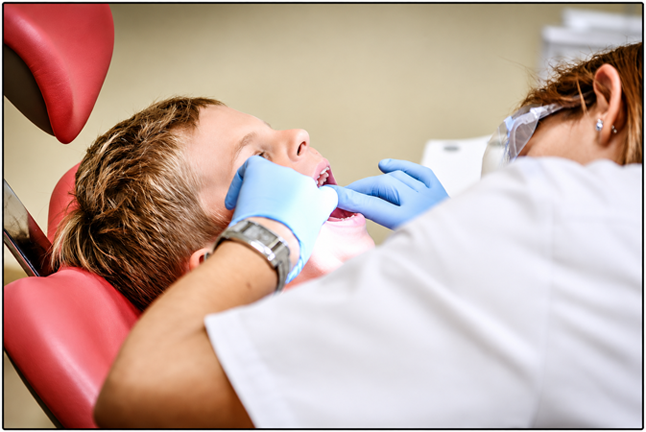
Tooth decay, also known as dental caries, is the process of demineralization of the enamel and dentin layers caused by acids produced by oral bacteria while breaking down sugars from food and trapped food debris on the teeth. It is one of the most common diseases worldwide and is largely preventable with good oral hygiene, a healthy diet, lifestyle modifications, and regular dental visits. There are various factors that contribute to the development of dental caries.
Signs and Symptoms of Cavity Formation
- White spots: These spots can be chalky white or even discoloured (brown or black spots)
- Sensitivity: Sudden, sharp and brief pain upon consumption of cold, hot, sweet or acidic foods.
- Small pits: These are visible on any of the tooth surfaces (mesial, distal, occlusal, lingual or labial).
- Pain: Sometimes persistent toothaches can occur with buildup of plaque and gum swelling. Pain can be a sign that there is a carious lesion.
- Bad breath: It is caused generally due to odour-causing bacteria which is increased in response to poor oral hygiene and decayed teeth.
Risk Factors Associated with Dental Caries
The caries factors according to modern concepts include plaque, substrate, susceptible host, and time. These four factors are responsible for the development of dental caries and are involved in the demineralization process of the hard enamel structure.
There are various risk factors linked to caries progression, including
- Frequent intake of acidic, sticky, and sugary foods
- Low saliva production
- Deficiency of vitamin D and calcium
- Dehydration
- Chronic stress
- GERD (Gastroesophageal Reflux Disease)
- Smoking and tobacco consumption
- Genetics
- Bruxism
- Skipping dental visits
- Deep crevices in teeth
Etiological Factors of Dental Caries
- Bacteria: The primary cause of decay is the bacteria, specifically, Streptococcus mutans and Lactobacillus. These bacteria thrive in the oral environment and break down the sugars to produce acids. These acids lead to enamel erosion.
- Diet: Sugary, starchy and acidic foods are the main culprits that cause decay. These food items create a favourable environment for the oral bacteria to thrive in the mouth.
- Poor oral hygiene: Brushing, flossing and rinsing with a mouthwash are some ways that help with maintaining oral hygiene. Improper brushing technique and duration are responsible for improper cleaning.
- Lack of fluoride: Fluoride is a naturally occurring mineral that helps with remineralisation of the tooth surface. Not using fluoride can cause dental caries as the strength of tooth weakens.
- Dry mouth: Saliva plays several important roles in the oral cavity, including lubrication, aiding mastication, flushing away trapped food particles, preventing ulcer formation, and maintaining oral hydration. Reduced salivary flow prevents proper removal of food debris, leading to bacterial overgrowth and an increased risk of dental caries.
Pathophysiology of Dental Caries
Dental caries is a multifactorial disease. The ecological imbalance in the oral environment changes the oral biofilm to produce acid-causing bacteria.
The pathogenesis of caries is as follows
- Formation of biofilm and production of acids: Streptococcus mutans and Lactobacilli bacteria invade the surface of tooth in the plaque layer or biofilm. When sucrose, fructose or glucose which are fermentable carbohydrates, are consumed in the diet, the bacteria feed and metabolise these sugars into organic acids. Mostly lactic acid is produced.
- Drop in critical pH: Acid accumulation causes a decline in the pH of the oral cavity. The critical pH is approximately 5.5. Below this level, the enamel begins to lose calcium and phosphate ions.
- Demineralization: Chemical dissolution of the enamel layer begins due to acid production. The phosphate and calcium ions are separated from hydroxyapatite crystals of the hard enamel layer. This leads to formation of ‘incipient caries’ in the form of white spots on the tooth’s enamel.
- Remineralization: The cycle of dental caries involves both remineralization and demineralization. Saliva neutralizes the acids and helps restore minerals to the tooth. However, frequent sugar intake, poor oral hygiene, or xerostomia results in acid attacks that exceed the tooth’s remineralization capacity, eventually causing enamel erosion and irreversible cavity formation.
- Progression: As the enamel is transgressed, the cavity formation reaches the dentin layer and ultimately the pulp tissue. There is an inflammatory response causing pulpitis that further causes localised or systemic infections when not treated.
Prevention Measures for Tooth Decay and Oral Care Tips
1. Brushing your teeth
- It helps with the removal of plaque layer on the tooth surface.
- Brushing should be done in circular motions and angled towards the gingiva. Sideways motion should be avoided as it can cause damage.
- Use of a soft-bristled toothbrush or electric toothbrush can be helpful.
- Brushing should be done twice a day—once after waking up to remove plaque deposited overnight and again at night after dinner to remove trapped food debris.
- Brushing should ideally be done 30 minutes after meals.
2. Choose a right toothpaste
- Using a fluoride toothpaste helps remineralize the tooth surface. However, excessive fluoride ingestion can lead to dental or skeletal fluorosis. Fluoride toothpaste should be used according to the dentist’s recommendations.
- Children below 6 years of age should use only a pea-sized amount of toothpaste under adult supervision to minimize swallowing.
- Herbal toothpastes can also be used routinely as they contain natural ingredients.
3. Mouth rinsing
- Rinsing is an important step in removing excess plaque and food debris from the teeth. After brushing and flossing, rinse the mouth thoroughly several times.
- Alcohol-based mouthwashes should be avoided, as excessive use may disrupt the natural oral microbiota.
- Natural mouthwashes containing ingredients such as clove, peppermint, tea tree, coconut, cinnamon oils, or xylitol may be used as alternatives.
- Mouthwashes containing parabens, alcohol, triclosan, SLS, and formaldehyde should be avoided.
- Chlorhexidine mouthwashes should only be used under the guidance of a dentist for the treatment of bacterial infections.
4. Oil pulling
- Oil pulling is a traditional method used to clean the teeth and naturally freshen the breath.
- Swishing oil in the mouth for 5–15 minutes may help reduce bacterial biofilm and inflammation, thereby supporting oral health.
- Coconut oil, sesame oil, and Irimedadi oil are commonly used for this practice due to their antimicrobial and anti-inflammatory properties.
5. Diet
- The role of diet is a major factor in preventing dental decay, especially in kids and older adults.
- Our oral microbiota has both useful and harmful bacteria. The harmful bacteria produces acids and causes erosion.
- Foods that support oral health include dairy products rich in vitamin D and calcium, green leafy vegetables such as spinach and kale, crunchy vegetables like celery and carrots, almonds, and seeds.
- Foods that should be limited to prevent dental decay include simple carbohydrates such as bread, pasta, cookies, and bakery products; oily foods like chips and fries; and acidic foods and beverages such as tea, coffee, energy drinks, and citrus juices.
- Popcorn kernels may also become lodged between the teeth or in deep grooves, increasing the risk of plaque accumulation.
- Limit excessive intake of sugary foods such as chewing gum, dried fruits, candies, and soft drinks.
6. Drink plenty of water
- Drinking enough water after consuming acidic, sweet, or sticky foods helps remove trapped food particles and reduces their prolonged contact with the teeth.
- This helps flush away cariogenic bacteria from the tooth surface. Adequate hydration also supports healthy salivary flow, which is essential for acid neutralization and maintaining a balanced oral pH.
7. Green Tea
- Green tea may help support oral health and freshen the breath.
- It contains naturally occurring compounds called catechins, which possess antimicrobial properties.
- Its antioxidant activity may also help reduce inflammation and support a healthy oral microbiome.
- Avoid adding sugar to green tea to maximize its oral health benefits.
Conclusion
Dental caries is a common oral health concern, particularly among children and older adults. Early signs and symptoms should not be ignored, and timely dental checkups are important to prevent disease progression. Common contributing factors, including diet, lifestyle, and oral hygiene practices, should be addressed. Proper brushing, flossing, and rinsing should be practiced consistently. Making healthy food choices and drinking adequate water help remove plaque and food debris. With proper oral care and early intervention, dental caries can be effectively prevented.


Dr. Vikram Chauhan
Latest posts by Dr. Vikram Chauhan (see all)
- What is Aroma Therapy? – How is it an important part of Indian and different cultures since long? - September 18, 2026
- Cow Dung & Wood Heat vs Room Heaters – Health Benefits & Risks - September 17, 2026
- Let’s bust some myths about Infertility and Pregnancy? - September 15, 2026
- Zero Volt Therapy – Benefits, Uses & Holistic Wellness Approach - September 10, 2026
- Integrative Oncology – Dendritic Cell Therapy and Ayurveda - September 10, 2026