


PIVKA-II (DCP) Test – Normal Range, Clinical Significance & Diagnostic Value in Liver Disorders
ABSTRACT
The PIVKA-II Test, also known as Des-gamma-carboxy Prothrombin (DCP), is an important biochemical marker used primarily in the diagnosis and monitoring of liver diseases. It is widely recognized as a tumor marker for Hepatocellular Carcinoma, the most common type of primary liver cancer. Normally, PIVKA-II levels remain low in healthy individuals, typically below 40 mAU/mL. However, elevated levels may indicate liver dysfunction, vitamin K deficiency, or malignancy. This article provides a comprehensive overview of the PIVKA-II test, its normal range, clinical significance, causes of abnormal levels, interpretation, limitations, and role in modern diagnostic medicine.
INTRODUCTION
Liver health plays a vital role in maintaining overall metabolic balance within the body. The liver is responsible for protein synthesis, detoxification, bile production, and metabolism of nutrients. Any disturbance in liver function can lead to severe complications, including chronic liver diseases and cancer. One of the most valuable laboratory tools used in assessing liver pathology is the PIVKA-II Test. This test measures abnormal prothrombin molecules produced when the liver fails to use vitamin K effectively. Under normal conditions, vitamin K helps convert prothrombin into its functional form. When this process is impaired, an abnormal protein known as PIVKA-II is released into the bloodstream. The measurement of PIVKA-II has gained increasing attention in clinical practice due to its usefulness in detecting Hepatocellular Carcinoma, especially in high-risk patients with chronic liver diseases such as Liver Cirrhosis and Chronic Hepatitis.
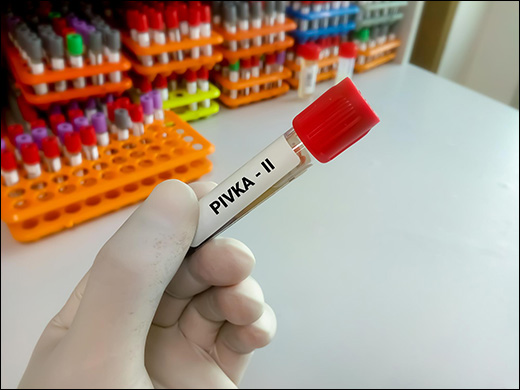
10 INTERESTING FACTS ABOUT PIVKA-II (DCP) TEST
- The PIVKA-II Test is also called DCP: PIVKA-II stands for Protein Induced by Vitamin K Absence-II, and it is also widely known as Des-gamma-carboxy Prothrombin (DCP).
- It is an important marker for liver cancer: The test is widely used to help detect Hepatocellular Carcinoma, which is the most common type of primary liver cancer.
- Normal levels are usually very low: In healthy individuals, PIVKA-II levels are typically below 40 mAU/mL, indicating proper liver function.
- High levels do not always mean cancer: Elevated values may also occur due to vitamin K deficiency or liver diseases such as Liver Cirrhosis or Chronic Hepatitis.
- It helps detect liver cancer at an early stage: The test is especially helpful in identifying early-stage Hepatocellular Carcinoma, improving chances of successful treatment.
- Doctors often use it with other tests: The PIVKA-II test is commonly used along with imaging methods like ultrasound, CT scan, or MRI to confirm liver abnormalities.
- It can help monitor treatment progress: Doctors track PIVKA-II levels over time to see whether liver cancer treatment is working or if the disease is progressing.
- Vitamin K plays a key role in this test: Since PIVKA-II is linked to vitamin K activity, deficiency of vitamin K can increase levels even without cancer.
- It is a simple blood test: The PIVKA-II Test requires only a small blood sample and is considered a non-invasive diagnostic tool.
- Regular screening helps high-risk patients: People with long-term liver diseases, especially Liver Cirrhosis, benefit from routine PIVKA-II testing to detect liver complications early.
UNDERSTANDING PIVKA-II
PIVKA-II stands for Protein Induced by Vitamin K Absence or Antagonist-II. It is an abnormal form of prothrombin that appears in the blood when vitamin K is deficient or when liver cells fail to properly process clotting proteins. Normally, prothrombin undergoes a process known as gamma-carboxylation, which requires vitamin K. This process converts prothrombin into its active clotting form. However, when vitamin K is absent or ineffective, incomplete prothrombin molecules are formed, resulting in the production of PIVKA-II. These abnormal proteins accumulate in the bloodstream and serve as important indicators of liver dysfunction or tumor activity. This is why the PIVKA-II Test is widely used as a tumor marker in liver disease evaluation.
NORMAL RANGE OF PIVKA-II
Understanding the normal range of PIVKA-II is essential for accurate diagnosis and clinical decision-making.
- Standard Normal Values
- Normal Range: Below 40 mAU/mL
- Alternative Measurement: Less than 7.5 ng/mL
- Values within this range are considered normal for healthy adults.
Different laboratories may use different testing methods, so slight variations in reference ranges may occur. Therefore, it is always recommended to interpret results according to the laboratory-specific reference values provided in the report.
Importance of the Normal Range
Maintaining PIVKA-II levels within the normal range indicates proper liver function and adequate vitamin K activity. Elevated levels suggest abnormalities that require further medical evaluation.
WHY THE PIVKA-II TEST IS PERFORMED
The PIVKA-II Test is performed for several clinical purposes, particularly in patients suspected of liver disease.
- Detection of Liver Cancer: The most important use of the PIVKA-II test is in detecting Hepatocellular Carcinoma. This cancer originates from liver cells and is one of the leading causes of cancer-related deaths worldwide. Elevated PIVKA-II levels may indicate the presence of liver tumors, especially in individuals who are already at high risk due to chronic liver disease.
- Monitoring Treatment Response: Patients undergoing Treatment for Hepatocellular Carcinoma often require repeated PIVKA-II testing. A decrease in PIVKA-II levels usually indicates a positive response to treatment, while rising levels may suggest disease progression or recurrence.
- Screening High-Risk Patients: Individuals with chronic liver diseases such as Liver Cirrhosis, Chronic Hepatitis, etc are at higher risk of developing liver cancer. Regular screening with the PIVKA-II test helps detect abnormalities at an early stage.
- Assessing Vitamin K Status: Vitamin K deficiency can lead to abnormal clotting and increased PIVKA-II levels. In such cases, the test helps identify underlying nutritional or metabolic issues.
CAUSES OF ELEVATED PIVKA-II LEVELS
Elevated PIVKA-II levels do not always indicate cancer. Several other conditions can also contribute to abnormal values.
- Hepatocellular Carcinoma: The most significant cause of elevated PIVKA-II levels is Hepatocellular Carcinoma. Tumor cells produce abnormal prothrombin proteins, resulting in high PIVKA-II levels. High levels often correlate with tumor size and disease severity.
- Liver Cirrhosis: Liver Cirrhosis is a chronic condition characterized by scarring of liver tissue. This damage interferes with protein synthesis and may lead to mild elevation of PIVKA-II levels.
- Chronic Hepatitis: Inflammation of the liver due to viral infections or autoimmune conditions, known as Chronic Hepatitis, can impair liver function and increase PIVKA-II levels.
- Vitamin K Deficiency: Vitamin K deficiency may occur due to Poor dietary intake, Malabsorption disorders, Prolonged antibiotic use, etc. When vitamin K levels drop, prothrombin conversion becomes defective, leading to increased PIVKA-II levels.
- Use of Vitamin K Antagonist Drugs: Certain medications interfere with vitamin K metabolism, resulting in elevated PIVKA-II levels. These drugs are often used as blood thinners.
INTERPRETATION OF PIVKA-II LEVELS
Understanding how to interpret PIVKA-II levels is essential for accurate diagnosis.
Normal Levels (Below 40 mAU/mL)
- Indicates normal liver function
- Suggests absence of major liver abnormalities
- Usually seen in healthy individuals
Mild Elevation
- May indicate vitamin K deficiency
- Possible early liver dysfunction
- Requires monitoring and repeat testing
Moderate Elevation
- Suggests chronic liver disease
- May indicate worsening liver function
- Requires additional diagnostic tests
High Elevation
- Strongly associated with Hepatocellular Carcinoma
- Requires urgent clinical evaluation
- Often followed by imaging studies
ROLE OF PIVKA-II IN LIVER CANCER DIAGNOSIS
Early detection of Hepatocellular Carcinoma significantly improves survival rates. PIVKA-II serves as an essential tumor marker in identifying liver tumors at an early stage.
Doctors often combine PIVKA-II testing with imaging techniques such as:
- Ultrasound
- CT Scan
- MRI
This combined approach increases diagnostic accuracy and reduces the chances of missed diagnosis.
ADVANTAGES OF THE PIVKA-II TEST
The PIVKA-II Test offers several advantages
- Early Detection: Allows identification of liver abnormalities before symptoms appear.
- Non-Invasive Procedure: Requires only a simple blood sample.
- Monitoring Tool: Useful for evaluating disease progression and treatment response.
- High Specificity for Liver Cancer: Particularly helpful in detecting Hepatocellular Carcinoma.
LIMITATIONS OF THE PIVKA-II TEST
- Despite its usefulness, the test has certain limitations.
- False Positives: Vitamin K deficiency may cause elevated levels without cancer.
- Not a Standalone Diagnostic Tool: The test should always be used alongside imaging and other laboratory investigations.
- Variation in Laboratory Methods: Different laboratories may use different assay techniques, leading to minor variations in reference values.
PREPARATION FOR THE PIVKA-II TEST
Patients are generally advised to:
- Inform their doctor about medications
- Follow fasting instructions if recommended
- Avoid alcohol before testing
AYURVEDIC PERSPECTIVE AND ROLE OF HERBS IN SUPPORTING LIVER HEALTH
According to Ayurveda, liver disorders are primarily associated with the imbalance of Pitta Dosha, along with involvement of Rakta Dhatu (blood tissue) and Yakrit (liver). When digestion becomes weak and metabolic toxins known as Ama accumulate in the body, liver function may become impaired. Over time, this imbalance may contribute to chronic liver disorders and abnormal biochemical markers such as those detected in the PIVKA-II Test. Ayurvedic management focuses on restoring digestive strength, eliminating toxins, supporting liver tissue regeneration, and maintaining overall metabolic balance. Herbal formulations and dietary modifications are considered key supportive approaches in maintaining liver health and preventing disease progression.
AYURVEDIC UNDERSTANDING OF LIVER DISORDERS
In Ayurveda, liver disorders are described under conditions such as
- Yakrit Roga (liver disorders)
- Kamala (jaundice)
- Raktapitta (bleeding disorders)
- Pandu (anemia-related disorders)
These conditions are believed to arise due to
- Excess intake of oily, spicy, or processed foods
- Alcohol consumption
- Poor digestion (Mandagni)
- Accumulation of toxins (Ama)
- Chronic infections or metabolic imbalance
Such factors may disturb liver metabolism, which in modern terms can correspond to abnormal biochemical markers such as those evaluated in the PIVKA-II Test.
AYURVEDIC HERBS THAT SUPPORT LIVER HEALTH
Following herbs mentioned in Ayurveda are traditionally used to support liver function and overall health:
1. Bhumi Amla (Phyllanthus)
Bhumi Amla is one of the most commonly used herbs for liver support
Benefits
- Helps support liver health
- Supports detoxification
- Helps maintain healthy digestion
- Traditionally used in liver-related conditions
2. Kalmegh (Andrographis paniculata):
Kalmegh is known for its bitter taste and detoxifying properties.
Benefits
- Supports liver cleansing
- Helps improve digestion
- Supports immune health
- Helps maintain liver function
3. Kutki (Picrorhiza kurrooa):
Kutki is a well-known herb used in liver and digestive disorders.
Benefits
- Supports bile flow
- Helps improve metabolism
- Supports liver function
- Helps maintain digestive health
4. Guduchi (Tinospora cordifolia)
Guduchi is widely used for strengthening the immune system and supporting liver health.
Benefits
- Supports immunity
- Helps reduce body weakness
- Supports liver strength
- Helps maintain overall health
5. Bhringraj (Eclipta prostrata):
Bhringraj is traditionally used to support liver and overall vitality.
Benefits
- Supports liver function
- Helps in detoxification
- Supports tissue nourishment
- Helps maintain overall well-being
SIMPLE DIET AND LIFESTYLE TIPS FOR LIVER HEALTH
Along with herbs, Ayurveda also recommends simple lifestyle habits that can make a big difference to Liver Health.
Recommended Habits
- Eat fresh, home-cooked meals
- Drink enough water
- Include green vegetables and fruits
- Use mild spices like turmeric
- Maintain regular meal timing
Avoid
- Oily and fried foods
- Alcohol
- Processed foods
- Excess sugar
- Late-night eating habits
CONCLUSION
The PIVKA-II Test is a valuable diagnostic tool used in the early detection and monitoring of liver disorders, particularly Hepatocellular Carcinoma. Understanding the normal range of PIVKA-II, typically below 40 mAU/mL, helps clinicians identify abnormal liver activity and take timely action. Elevated levels may be associated with serious liver conditions such as Liver Cirrhosis, Chronic Hepatitis, or vitamin K deficiency, making further evaluation essential. While modern diagnostic methods provide accurate detection, supportive approaches from Ayurveda, including the use of traditional herbs and healthy lifestyle practices, may help maintain liver function and overall well-being. Combining early diagnosis, regular monitoring, balanced nutrition, and appropriate medical guidance plays an important role in protecting liver health and preventing disease progression.


Dr. Vikram Chauhan
Latest posts by Dr. Vikram Chauhan (see all)
- Mouth Ulcers – Causes, Home Remedies & When They May Signal a Serious Problem - September 4, 2026
- Cavities Explained – Symptoms, Stages, Treatment & Prevention - September 3, 2026
- Bad Breath (Halitosis) – Hidden Causes, Effective Treatments & Prevention - September 3, 2026
- Teeth Grinding (Bruxism) – Causes, Symptoms & Effective Solutions - August 29, 2026
- Dry Mouth (Xerostomia) – Causes, Symptoms & Natural Ways to Relieve It - August 28, 2026