


Hyperkeratosis – Causes, Symptoms, Types & Holistic Ayurvedic Management
Abstract
Hyperkeratosis is a common dermatological condition characterized by abnormal thickening of the outermost layer of the skin (stratum corneum) due to excessive keratin production. It may develop as a protective response to chronic friction or pressure or occur secondary to inflammatory skin disorders, infections, genetic conditions, metabolic abnormalities, and systemic diseases. Clinically, hyperkeratosis presents as thickened, rough, dry, scaly, or hardened skin that may become painful or crack in severe cases. Although hyperkeratosis itself is usually benign, persistent or extensive lesions may indicate an underlying disorder requiring medical evaluation. Diagnosis is primarily clinical and may be supported by dermoscopy, histopathology, or laboratory investigations depending on the suspected cause. Conventional treatment focuses on eliminating the underlying cause, reducing excessive keratinization, and restoring normal skin barrier function. Ayurveda correlates many hyperkeratotic conditions with varieties of Kushtha Roga and attributes their development to the vitiation of Doshas, impaired Agni, accumulation of Ama (Endotoxins), and involvement of multiple Dhatus. Ayurvedic management emphasizes purification therapies, herbal medicines, dietary regulation, and lifestyle modifications to restore systemic balance and promote healthy skin. This article discusses the causes, types, symptoms, diagnosis, and modern understanding of hyperkeratosis while providing a comprehensive overview of its Ayurvedic perspective.
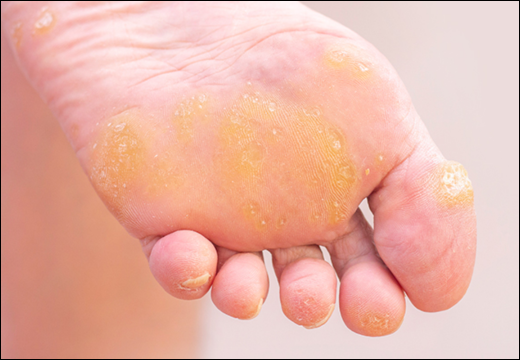
Key Facts About Hyperkeratosis
- Hyperkeratosis is characterized by excessive thickening of the outer layer of the skin due to increased keratin production.
- It is not a single disease but a clinical manifestation of various underlying conditions.
- The condition commonly affects pressure-bearing areas such as the palms, soles, elbows, knees, and heels.
- Chronic friction, repetitive trauma, inflammatory skin diseases, infections, and inherited disorders are common causes.
- Hyperkeratosis may present as calluses, corns, plantar keratoderma, actinic keratosis, or other forms depending on the underlying cause.
- Although many cases are harmless, persistent lesions may indicate premalignant or systemic conditions requiring medical evaluation.
- People with diabetes, obesity, psoriasis, eczema, and certain genetic disorders have a higher risk of developing hyperkeratosis.
- Early diagnosis and treatment help relieve discomfort, prevent complications, and improve skin health.
- Ayurveda considers hyperkeratotic skin disorders under the broader spectrum of Kushtha Roga, involving Dosha imbalance and impaired tissue metabolism.
- Proper skin care, balanced nutrition, and management of underlying diseases play a vital role in preventing recurrence.
Statistics on Hyperkeratosis
- Hyperkeratosis is among the most frequently encountered skin abnormalities in dermatology clinics worldwide.
- Plantar calluses and corns affect approximately 20–65% of adults, particularly older individuals.
- Palmoplantar hyperkeratosis is more common among individuals engaged in occupations involving repetitive mechanical stress.
- Actinic keratosis affects nearly 10–25% of adults over 40 years of age in regions with high ultraviolet exposure.
- The prevalence increases significantly with advancing age due to cumulative environmental damage.
- Individuals with diabetes have a markedly increased risk of developing plantar hyperkeratosis because of abnormal pressure distribution and neuropathy.
- Inherited palmoplantar keratodermas are rare, with an estimated prevalence of 1 in 100,000 people.
- Hyperkeratotic lesions account for a considerable proportion of outpatient dermatology and podiatry consultations.
- Chronic hyperkeratosis may impair mobility, daily activities, and quality of life if left untreated.
- Appropriate skin care and early intervention substantially reduce complications such as fissures, infections, and ulcer formation.
Introduction
Hyperkeratosis refers to excessive thickening of the stratum corneum, the outermost protective layer of the skin, resulting from increased production or reduced shedding of keratin. Keratin is a structural protein that strengthens the skin, hair, and nails and protects the body against physical injury, infections, and environmental damage. Under normal circumstances, keratinocytes continuously mature and shed in a regulated cycle. However, persistent mechanical stress, chronic inflammation, infections, ultraviolet radiation, metabolic abnormalities, or genetic defects can disrupt this process, leading to abnormal keratin accumulation and thickened skin. Clinically, hyperkeratosis may appear as rough, scaly, hardened, or thickened plaques that vary depending on the underlying cause. While many forms are harmless protective adaptations, others may indicate inflammatory, infectious, inherited, or even premalignant skin disorders. Accurate diagnosis and timely management are therefore essential. Alongside conventional treatment, Ayurveda offers a holistic approach by correcting Dosha imbalance, improving digestion and metabolism, detoxifying the body, and supporting healthy skin through herbal medicines.
Types of Hyperkeratosis
Hyperkeratosis is classified into several types depending on its cause, location, and underlying pathology:
- Calluses (Callosities): Calluses are diffuse areas of thickened skin that develop due to repeated friction or pressure. They commonly occur on the palms and soles and serve as a protective response against mechanical stress.
- Corns (Clavi): Corns are small, localized areas of hyperkeratosis with a central hard core that develops over pressure points, particularly on the toes and feet. They are often painful while walking or standing.
- Palmoplantar Keratoderma (PPK): Palmoplantar keratoderma is characterized by excessive thickening of the skin on the palms and soles. It may be inherited or acquired and can significantly interfere with daily activities.
- Actinic Keratosis: Actinic keratosis is a rough, scaly lesion that develops due to prolonged ultraviolet (UV) radiation exposure. It is considered a premalignant condition because a small percentage of lesions may progress to squamous cell carcinoma if left untreated.
- Seborrheic Keratosis: Seborrheic keratosis is a common benign skin growth that appears as a waxy, raised, brown or black lesion. It commonly affects middle-aged and elderly individuals and has no malignant potential.
- Follicular Hyperkeratosis (Keratosis Pilaris): Keratosis pilaris results from keratin accumulation around hair follicles, producing rough, small bumps that resemble gooseflesh. It commonly affects the upper arms, thighs, cheeks, and buttocks.
- Epidermolytic Hyperkeratosis: This rare inherited disorder results from mutations affecting keratin proteins, causing widespread skin thickening, blistering, and scaling from infancy.
- Hyperkeratosis Associated with Psoriasis and Eczema: Chronic inflammatory skin disorders such as psoriasis and eczema may produce excessive keratin formation, leading to thick, scaly plaques over affected areas.
Causes of Hyperkeratosis
- Chronic Friction and Pressure: Repeated mechanical stress stimulates the skin to produce excess keratin as a protective mechanism. This commonly occurs in individuals who stand for prolonged periods, wear ill-fitting footwear, or perform repetitive manual work.
- Repeated Trauma: Frequent rubbing, minor injuries, pressure, or irritation may lead to localized hyperkeratosis by increasing keratinocyte proliferation.
- Genetic Disorders: Several inherited conditions, particularly palmoplantar keratoderma and epidermolytic hyperkeratosis, result from mutations affecting keratin production and skin barrier function.
- Psoriasis: Psoriasis accelerates epidermal cell turnover, causing excessive keratin accumulation and the formation of thick, silvery scales.
- Atopic Dermatitis (Eczema): Chronic inflammation and repeated scratching in eczema stimulate excessive keratin formation, resulting in thickened skin (lichenification).
- Chronic Skin Inflammation: Persistent inflammatory skin diseases increase epidermal proliferation and disrupt normal keratinization.
- Human Papillomavirus (HPV) Infection: Certain HPV strains cause viral warts characterized by localized hyperkeratosis.
- Fungal Infections: Chronic fungal infections, particularly affecting the feet and nails, may result in excessive skin thickening.
- Prolonged Sun Exposure: Repeated ultraviolet radiation damages epidermal cells and contributes to actinic keratosis.
- Diabetes Mellitus: Peripheral neuropathy, altered pressure distribution, and poor wound healing increase the likelihood of plantar hyperkeratosis.
- Obesity: Increased body weight places greater pressure on weight-bearing areas of the feet, promoting callus formation.
- Nutritional Deficiencies: Deficiencies of vitamin A, zinc, essential fatty acids, and certain micronutrients may impair normal keratinization.
- Occupational Factors: Individuals involved in farming, construction work, athletics, manual labor, and occupations requiring prolonged standing frequently develop pressure-induced hyperkeratosis.
- Certain Medications: Some medications, including targeted anticancer therapies and retinoid withdrawal, may contribute to abnormal keratinization.
- Ageing: With advancing age, reduced skin hydration and slower epidermal turnover increase the tendency for hyperkeratotic lesions.
Risk Factors for Hyperkeratosis
Several factors increase the likelihood of developing hyperkeratosis, including:
- Increasing age
- Family history of inherited keratinization disorders
- Repetitive friction or pressure
- Ill-fitting footwear
- Prolonged standing
- Manual occupations
- Diabetes mellitus
- Obesity
- Psoriasis
- Atopic dermatitis
- Chronic fungal infections
- Excessive sun exposure
- Smoking
- Poor foot care
- Nutritional deficiencies
- Peripheral neuropathy
- Reduced mobility
Symptoms of Hyperkeratosis
The clinical presentation varies according to the underlying cause but commonly includes:
- Thickened skin
- Rough or coarse skin texture
- Dry, scaly skin
- Hardened plaques
- Yellowish or grayish discoloration
- Pain during walking or pressure
- Cracked skin (fissures)
- Burning sensation
- Itching
- Tenderness
- Reduced skin flexibility
- Localized swelling
- Corn-like lesions
- Warty growths
- Difficulty walking in severe plantar hyperkeratosis
- Cosmetic concerns
Diagnosis of Hyperkeratosis
Clinical Evaluation
- Detailed medical history
- Occupational history
- Family history
- Physical examination
- Dermatological assessment
Diagnostic Procedures
- Dermoscopy
- Wood’s lamp examination (when fungal infection is suspected)
- Skin biopsy (if diagnosis is uncertain)
- Histopathological examination
Laboratory Investigations
- Complete Blood Count (CBC)
- Blood glucose levels
- HbA1c (for diabetes screening)
- Thyroid function tests (when indicated)
- Vitamin A level (selected cases)
- Zinc level (when deficiency is suspected)
- Potassium hydroxide (KOH) examination for fungal infection
- Fungal culture (if required)
Complications of Hyperkeratosis
If left untreated, hyperkeratosis may lead to:
- Painful fissures
- Secondary bacterial infections
- Fungal infections
- Bleeding cracks
- Difficulty walking
- Reduced mobility
- Chronic foot ulcers (especially in diabetic patients)
- Cosmetic disfigurement
- Recurrent calluses and corns
- Progression of actinic keratosis to squamous cell carcinoma (in a small percentage of cases)
- Reduced quality of life
Ayurvedic Overview of Hyperkeratosis
Although Hyperkeratosis is not described as a separate disease entity in the classical Ayurvedic texts, its clinical features closely resemble various Kushtha Rogas (skin disorders), particularly those involving Vata and Kapha Dosha Predominance . The excessive thickening, dryness, roughness, scaling, fissuring, and hardening of the skin are considered manifestations of deranged Doshas affecting the skin and deeper tissues. According to Ayurveda, healthy skin depends upon the proper balance of Doshas, efficient functioning of Agni (digestive fire), nourishment of the Dhatus (body tissues), and unobstructed flow through the Srotas (body channels). Improper diet, unhealthy lifestyle, suppression of natural urges, incompatible food combinations, and impaired digestion lead to the formation of Ama (metabolic toxins). Ama circulates through the body, vitiates the Doshas, and localizes in the skin tissues, resulting in abnormal keratinization, dryness, scaling, and thickening. Ayurvedic management aims not only to reduce the visible lesions but also to correct the underlying metabolic imbalance, purify the body, restore Dosha equilibrium, improve tissue nutrition, and prevent recurrence through individualized treatment.
Possible Correlations
Depending on the clinical presentation, hyperkeratosis may be correlated with the following conditions as per Ayurveda:
1. Charmadala
रक्तं सकण्डु सस्फोटं सरुग्दलति चापि यत्।
Charaka Samhita Chikitsa Sthana Chapter no. 7 Verse No. 24
1. Verse Interpretation
Charmadala is a type of Kushtha Roga predominantly associated with the vitiation of Vata and Kapha Doshas. It is characterized by erythematous (reddish) skin lesions, severe itching (Kandu), eruptions or small blisters (Sphota), painful fissures, and marked tenderness on touch. The rough, dry, fissured, and thickened nature of the lesions resembles diffuse hyperkeratosis, especially when chronic skin thickening is accompanied by scaling and cracking.
2. Vipadika
वैपादिकं पाणिपादस्फुटनं तीव्रवेदनम्॥
Charaka Samhita Chikitsa Sthana Chapter no. 7 Verse No. 22
3. Verse Interpretation
Vipadika primarily affects the palms and soles, where excessive dryness leads to deep fissures (Sphutana) associated with severe pain (Teevra Vedana). The lesions often interfere with walking and manual activities. This closely correlates with palmoplantar hyperkeratosis, in which excessive keratin accumulation results in hardened skin, painful cracks, and reduced flexibility.
4. Kitibha Kushtha
श्यावं किणखरस्पर्शं परुषं किटिभं स्मृतम्॥
Charaka Samhita Chikitsa Sthana Chapter no. 7 Verse No. 22
5. Verse Interpretation
Kitibha Kushtha presents with dark brown or blackish discoloration (Shyava), hardness, rough texture (Khara Sparsha), and coarse, thickened skin (Parushata). The lesions are dry, indurated, and resemble scar-like plaques. These features closely resemble chronic hyperkeratotic conditions in which excessive keratin deposition produces thick, rough, and hardened plaques.
6. Ekakushtha
अस्वेदनं महावास्तु यन्मत्स्यशकलोपमम्।
तदेककुष्ठम्॥
Charaka Samhita Chikitsa Sthana Chapter no. 7 Verse No. 21
Ekakushtha is characterized by large, well-defined lesions (Mahavastu), absence of sweating (Aswedana), and scaling resembling fish scales (Matsya Shakalopama). The excessive scaling and thickened skin seen in this condition resemble hyperkeratotic disorders, particularly chronic plaque-forming diseases such as psoriasis, where abnormal keratinization leads to extensive, scaly plaques.
Herbal Remedies by Planet Ayurveda for Hyperkeratosis
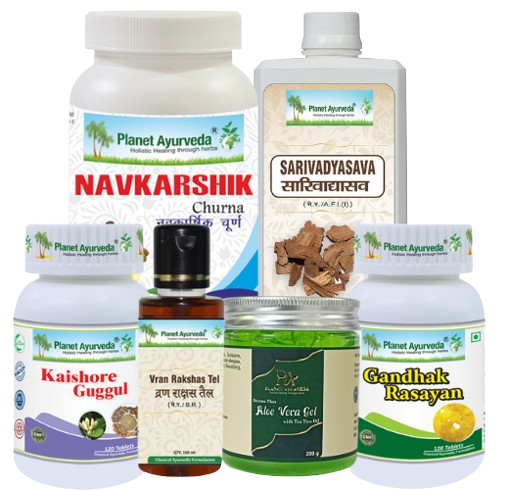

Planet Ayurveda offers a range of classical Ayurvedic herbal formulations that help manage Hyperkeratosis by balancing aggravated Vata and Kapha Doshas, purifying the blood (Rakta Shodhana), improving skin metabolism, reducing excessive keratin formation, and nourishing healthy skin tissue. These formulations work by supporting proper skin regeneration, reducing dryness, scaling, fissuring, itching, and inflammation while promoting healthy skin texture. Along with appropriate diet, lifestyle modifications, and Panchakarma therapies when indicated, these herbal remedies provide a holistic approach to managing chronic hyperkeratotic skin disorders naturally. Let’s discuss the herbal remedies offered by Planet Ayurveda for the holistic management of hyperkeratosis.
- Navkarshik Churna
- Vrana Rakshak Tail
- Gandhak Rasayan
- Kaishore Guggul
- Sarivadyasava
Product Description
1. Navkarshik Churna
Navkarshik Churna is a classical Ayurvedic polyherbal formulation containing Vacha (Acorus calamus), Neem (Azadirachta indica), Manjistha (Rubia cordifolia), Katuki (Picrorhiza kurroa), etc. Collectively, these herbs possess Rakta Shodhaka (blood-purifying), Kushtaghna (anti-skin disease), Deepana-Pachana (digestive and metabolic enhancing), antioxidant, anti-inflammatory, antimicrobial, and immunomodulatory properties. This formulation helps balance aggravated Vata, Pitta, and Kapha Doshas, purify the blood, eliminate Ama (metabolic toxins), improve liver and digestive function, and promote healthy skin metabolism. Their combined action helps reduce excessive skin thickening, scaling, dryness, itching, and inflammation while supporting normal skin cell turnover, tissue repair, and regeneration. Regular use helps improve overall skin health and may reduce the recurrence of chronic hyperkeratotic skin conditions.
Dosage: ½ – 1 tsp twice daily with plain water after meals.
2. Vrana Rakshak Tail
Vrana Rakshak Tail is a classical Ayurvedic medicated oil containing Sarson Taila (Mustard Oil), Parada (Purified Mercury), Gandhak (Purified Sulphur), Hartal (Purified Orpiment), and other classical herbal and mineral ingredients. Collectively, these ingredients possess Kushtaghna (anti-skin disease), Krimighna (antimicrobial), Kandughna (anti-itch), Shothahara (anti-inflammatory), Vranaropana (wound-healing), and Tvachya (skin-rejuvenating) properties. This medicated oil helps soften thickened and rough skin, reduce scaling, dryness, fissuring, itching, and inflammation associated with hyperkeratosis. Its combined action supports skin repair, protects against secondary microbial infections, promotes healthy skin regeneration, and restores the skin’s natural barrier, thereby improving overall skin texture and comfort with regular external application.
Method of Application: Apply a thin layer of Vrana Rakshak Tail to the affected area 1–2 times daily.
3. Gandhak Rasayan
Gandhak Rasayan is a tablet formulation prepared using Shuddha Gandhak (Purified Sulphur). This formulation possess Rasayana (rejuvenative), Kushtaghna (anti-skin disease), Kandughna (anti-itch), Raktashodhaka (blood-purifying), antioxidant, antimicrobial, anti-inflammatory, and immunomodulatory properties. This formulation helps balance aggravated Pitta and Kapha Doshas, purify the blood, support healthy skin metabolism, reduce inflammation, itching, dryness, and scaling, and promote tissue repair and skin regeneration. Its rejuvenating action also helps improve skin health, strengthen immunity, and reduce the recurrence of chronic hyperkeratotic skin disorders.
Dosage: 2 tablets twice daily with plain water after meals.
4. Kaishore Guggul
Kaishore Guggul is a classical Ayurvedic polyherbal formulation containing Guggul (Commiphora mukul), Guduchi (Tinospora cordifolia), Ginger (Zingiber officinale), Black Pepper (Piper nigrum), Long Pepper (Piper longum), Vidanga (Embelia ribes), Danti (Baliospermum montanum), Trivrit (Operculina turpethum), and other classical herbs. Collectively, these ingredients possess Raktashodhaka (blood-purifying), Kushtaghna (anti-skin disease), Shothahara (anti-inflammatory), Deepana-Pachana (digestive and metabolic enhancing), antioxidant, antimicrobial, and immunomodulatory properties. This formulation helps balance aggravated Pitta and Kapha Doshas, eliminate Ama (metabolic toxins), purify the blood, reduce inflammation, improve skin metabolism, and support healthy tissue regeneration. Its combined action helps reduce skin thickening, scaling, dryness, itching, and promotes healthy skin in chronic hyperkeratotic conditions.
Dosage: 2 tablets twice daily with plain water after meals.
5. Sarivadyasava
Sarivadyasava is a classical Ayurvedic formulation prepared by Planet Ayurveda containing Krishna Sariva (Ichnocarpus frutescens), Nagarmotha (Cyperus rotundus), Lodhra (Symplocos racemosa), Vat Twak (Ficus benghalensis), Pipal Twak (Ficus religiosa), Khadira (Acacia catechu), and other herbs. Collectively, these ingredients possess Raktashodhaka (blood-purifying), Kushtaghna (anti-skin disease), Kandughna (anti-itch), Shothahara (anti-inflammatory), Pitta-Kapha balancing, antioxidant, antimicrobial, and wound-healing properties. This formulation helps purify the blood, improve skin metabolism, reduce inflammation, itching, dryness, scaling, and excessive keratinization while promoting healthy tissue repair and regeneration. Its combined action supports healthy skin, improves complexion, and helps reduce the recurrence of chronic hyperkeratotic skin disorders./p>
Dosage: 2 tsp twice daily with plain water after meals.
Conclusion
Hyperkeratosis is a common skin condition characterized by excessive thickening of the outer layer of the skin, often resulting from chronic friction, inflammatory skin disorders, infections, genetic factors, or underlying systemic diseases. Although it is usually not life-threatening, persistent hyperkeratosis can cause discomfort, pain, fissuring, cosmetic concerns, and impaired quality of life if left untreated. Early diagnosis and appropriate management are essential to prevent complications and improve skin health. Ayurveda approaches hyperkeratosis holistically by correcting Dosha imbalance, improving digestion and metabolism, purifying the blood, and promoting healthy skin regeneration through herbal medicines, Panchakarma therapies, dietary modifications, and lifestyle changes. A combination of proper skin care, balanced nutrition, and individualized Ayurvedic treatment can help reduce symptoms, support healthy skin, and minimize the risk of recurrence.


Dr. Vikram Chauhan
Latest posts by Dr. Vikram Chauhan (see all)
- Hemangiomas(benign vascular tumors) , Causes, Symptoms, Key Facts & Treatment - October 16, 2026
- Top 6 Herbs for stronger bones as per Ayurvedic Texts - October 12, 2026
- Top 4 Herbs for Stronger Liver as per Ayurvedic Texts - October 6, 2026
- Management of Olfactory neuroblastoma (ONB) in Ayurveda - September 28, 2026
- What is Aroma Therapy? – How is it an important part of Indian and different cultures since long? - September 18, 2026