


How to Manage Spinocerebellar Ataxia Type 12 (SCA12) Through Ayurveda Naturally
Abstract
Genetic neurodegenerative disorders comprise a diverse group of inherited conditions characterized by the progressive degeneration of neurons, leading to impairment of motor, sensory, cognitive, and other neurological functions. Among these disorders, Spinocerebellar Ataxia Type 12 (SCA12) is a rare autosomal dominant condition that primarily affects the cerebellum, resulting in progressive tremors, ataxia, impaired coordination, and speech disturbances. SCA12 is not described in Ayurveda, but hereditary neurological disorders can be understood through concepts such as Adibala Pravritta Vyadhi (hereditary disorders), Beeja Dushti (defects in the reproductive seed), Beeja Bhagavayava Dushti (defects in specific components of the reproductive seed), and Vatavyadhi (vata dosha disorders) mentioned in ayurvedic texts. Ayurvedic management emphasizes balancing aggravated Vata dosha, nourishing the nervous system, rejuvenating depleted tissues, and improving the patient’s functional capacity through appropriate herbal formulations, dietary modifications, lifestyle measures, and Rasayana therapy. We shall discuss Spinocerebellar Ataxia Type 12, including its causes, clinical manifestations and management in contemporary medicinal systems and in the Indian medicinal system of Ayurveda..Introduction
Spinocerebellar Ataxias (SCAs) comprise a heterogeneous group of inherited neurodegenerative disorders affecting the cerebellum and its associated neuronal pathways. Among more than forty recognized subtypes, Spinocerebellar Ataxia Type 12 (SCA12) is comparatively rare. It was first identified in families from northern India and has since been reported in various populations worldwide. SCA12 is inherited in an autosomal dominant manner, meaning that a mutation in one copy of the responsible gene is sufficient to transmit the disorder to offspring. The disease develops due to abnormal expansion of CAG trinucleotide repeats within the PPP2R2B (Protein Phosphatase 2 Regulatory Subunit B Beta) gene. This mutation alters neuronal function and eventually causes degeneration of cerebellar Purkinje cells and related neural circuits. Unlike several other spinocerebellar ataxias that begin predominantly with gait imbalance, SCA12 commonly presents with action tremors, especially involving the upper limbs. Over time, affected individuals gradually develop cerebellar ataxia, dysarthria, intention tremor, impaired handwriting, gait instability, and difficulties in performing fine motor activities. Disease progression is usually slow, allowing patients to remain ambulatory for many years despite increasing disability.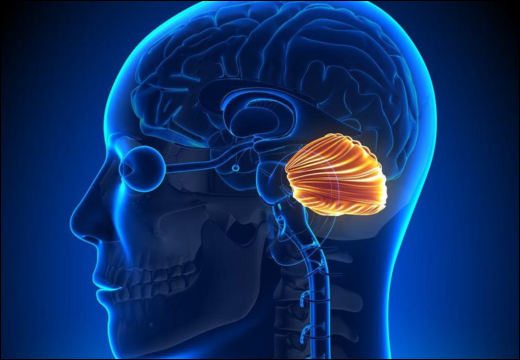
Causes
The primary cause of SCA12 is mutation of the PPP2R2B gene located on chromosome 5. The mutation consists of expansion of CAG trinucleotide repeats within the gene promoter region. Individuals with expanded repeat numbers gradually develop degeneration of cerebellar neurons responsible for motor coordination.Several factors influence disease occurrence and progression
1. Genetic Mutation
The fundamental cause is expansion of CAG repeats inherited from an affected parent.2. Autosomal Dominant Inheritance
Each child of an affected individual has approximately a 50% chance of inheriting the mutated gene.3. Progressive Neurodegeneration
Abnormal protein regulation disrupts neuronal signaling, leading to degeneration of cerebellar pathways.4. Age-dependent Expression
Symptoms generally appear during adulthood, although age of onset varies considerably between affected families.5. Variable Penetrance
Even within the same family, disease severity and progression may differ due to modifying genetic and environmental influences.Signs and Symptoms
Clinical manifestations vary according to disease duration and neuronal involvement.Common symptoms include
- Action tremor
- Postural tremor
- Gait imbalance
- Difficulty maintaining posture
- Slurred speech (dysarthria)
- Intention tremor
- Poor hand coordination
- Difficulty writing (micrographia or irregular handwriting)
- Hyperreflexia
- Mild rigidity in some individuals
- Nystagmus
- Impaired eye coordination
- Cognitive impairment in advanced disease
- Depression or anxiety
- Fatigue
- Difficulty swallowing in later stages
Management
There is currently no definitive cure capable of reversing the underlying genetic defect responsible for SCA12. Therefore, management primarily focuses on slowing functional decline, maximizing independence, preventing complications, and improving quality of life through multidisciplinary care.Symptomatic Treatment
Various medications may be prescribed to reduce tremors, muscle stiffness, anxiety, depression, or sleep disturbances according to individual clinical needs.1. Physiotherapy
Regular physiotherapy helps maintain balance, muscle strength, joint mobility, posture, and gait stability.2. Occupational Therapy
Occupational therapy assists patients in adapting daily activities through assistive devices and modified techniques that improve independence.3. Speech Therapy
Speech-language therapy improves communication and helps reduce swallowing difficulties.4. Nutritional Support
Balanced nutrition helps maintain muscle mass and overall health, particularly in patients experiencing difficulty swallowing.5. Psychological Support
Counseling and emotional support benefit both patients and caregivers coping with chronic neurological disability.6. Genetic Counseling
Families affected by SCA12 benefit from genetic counseling regarding inheritance patterns, family planning, and early diagnosis of at-risk individuals.Ayurvedic View and Management
Spinocerebellar Ataxia Type 12 (SCA12) is not directly described in the classical Ayurvedic texts, its hereditary origin, progressive degeneration of the nervous system, tremors, impaired coordination, gait instability, and speech disturbances can be understood through the concepts of Beeja Dushti, Beeja Bhagavayava Dushti, Purvajanma Krita Karma, Vatavyadhi, and Majja Dhatu Kshaya. Ayurveda explains that hereditary disorders arise due to defects in the reproductive elements (Beeja), which may be influenced by vitiated Doshas, improper maternal diet and lifestyle during pregnancy, or the accumulation of karmic influences. Acharya Charaka explainsPrinciples of Ayurvedic Management
Since SCA12 is a hereditary and progressive disorder, Ayurvedic management aims to support neurological function, pacify aggravated Vata, nourish depleted tissues, and improve quality of life rather than claim a cure.The Treatment principles include
- Vata Shamana – pacification of aggravated Vata through appropriate herbal formulations, medicated ghee, and external therapies.
- Brimhana – nourishing depleted Dhatus to improve strength and endurance.
- Rasayana Chikitsa – rejuvenative therapy to promote tissue health and vitality.
- Medhya Rasayana – support for cognition, memory, and higher neurological functions.
- Snehana – internal and external oleation to reduce stiffness and dryness.
- Swedana – mild sudation where appropriate to alleviate rigidity.
- Abhyanga – regular medicated oil massage to support neuromuscular function.
- Physiotherapy and Yoga – integrated with Ayurvedic care to maintain mobility and balance.
- Satvavajaya Chikitsa – psychological support to address anxiety and depression that may accompany chronic neurological disorders.
Herbal Remedies by Planet Ayurveda for SCA12
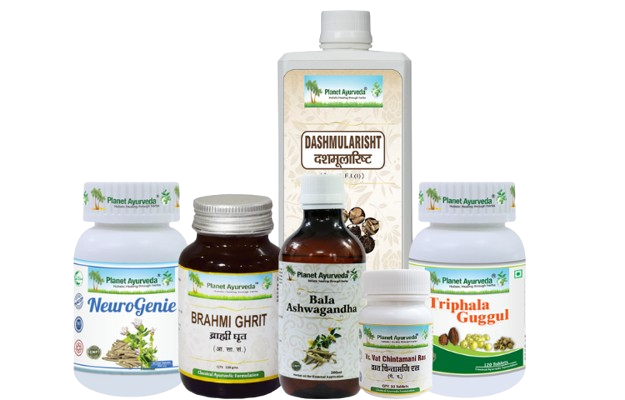

Planet Ayurveda is a herbal wellness company dedicated to promoting authentic Ayurvedic healthcare through carefully formulated herbal products inspired by classical Ayurvedic principles. Established with the vision of preserving the traditional wisdom of Ayurveda while meeting modern quality standards, the company emphasizes the use of standardized herbal extracts and natural ingredients without the addition of harmful chemicals or artificial additives. Its product range is manufactured in GMP-certified facilities, with a strong focus on purity, quality control, and adherence to traditional formulations. Alongside its herbal supplements, Planet Ayurveda also strives to increase awareness about holistic health by encouraging a balanced lifestyle, proper diet, and natural approaches to wellness. Through its commitment to quality, transparency, and Ayurvedic philosophy, Planet Ayurveda has expanded its presence across numerous countries, making traditional herbal healthcare accessible to people around the world. Planet Ayurveda is pleased to present its list of products that are effective in the management of SCA 12.M
Product list
- Vrihat Vat Chintamani Ras
- Neurogenie Capsules
- Dashamularisht
- Brahmi Ghrit
- Balashwagandha Oil
- Triphala Guggul
1. Vrihat Vat Chintamani Ras
Brihat Vat Chintamani Ras is a classical herbo-mineral Ayurvedic formulation traditionally indicated for chronic neurological disorders dominated by aggravated Vata dosha. It is valued for its Rasayana (rejuvenative), Balya (strengthening), and Vatahara (vata pacifying) properties.With these properties the product helps support neuromuscular coordination, promote strength, and maintain healthy nervous system function. It is also traditionally used to address tremors, weakness, speech impairment, and chronic degenerative conditions affecting the nervous system. Dosage: One tablet twice daily after meals with plain water.2. Neurogenie Capsules
Neurogenie Capsules are a product of Planet Ayurveda and are formulated with herbs namely Brahmi (Bacopa monnieri) and Ashwagandha (Withania somnifera) as known for their Medhya (nootropic), neuroprotective, and adaptogenic properties. These herbs help support cognitive function, memory, concentration, and healthy neuronal activity. Neurogenie Capsules help maintain neurological function, support motor coordination, and promote overall nervous system health. Their antioxidant properties may also help protect neurons from oxidative stress associated with neurodegeneration. Dosage: One capsule twice daily after meals with plain water.3. Dashamularisht
Dashamularishta is a classical fermented Ayurvedic preparation containing the renowned Dashamoola, a group of ten roots. It is traditionally indicated for Vata disorders, weakness, and chronic inflammatory conditions. Its Vata-pacifying and strengthening properties help improve mobility, reduce fatigue, and support musculoskeletal function in individuals with SCA12. It also promotes digestive fire (Agni), ensuring proper nourishment of body tissues. Dosage: 20 ml twice daily, mixed with an equal quantity of water after meals.4. Brahmi Ghrit
Brahmi Ghrit is a medicated ghee prepared with Brahmi (Bacopa monnieri) and other Medhya (nootropic) herbs. It is highly regarded in Ayurveda for enhancing memory, concentration, speech, and higher cognitive functions. The lipid-rich medium facilitates the delivery of herbal constituents, while the nourishing properties of ghee help support Majja Dhatu. In SCA12, Brahmi Ghrit may assist in maintaining cognitive health and pacifying aggravated Vata dosha. Dosage: One teaspoon twice daily, preferably with lukewarm milk.4. Balashwagandha Oil
Balashwagandha Oil is used externally for Abhyanga (therapeutic massage). It contains herbs such as Bala (Sida cordifolia) and Ashwagandha (Withania somnifera), which are traditionally known for their strengthening and Vata-pacifying actions. Regular gentle massage with this oil may help reduce muscular stiffness, improve circulation, nourish tissues, and promote relaxation. It also enhances joint flexibility and provides comfort in chronic neuromuscular disorders. Dosage: Apply locally over the affected limbs and body once or twice daily, followed by gentle massage.5. Triphala Guggulu
Triphala Guggulu is a classical Ayurvedic formulation combining Triphala with Guggulu (Commiphora mukul). It supports healthy metabolism, tissue nourishment, balances all the three dosha and promotes proper functioning of the body’s channels (Srotas). Although primarily known for maintaining digestive and metabolic health, it also helps facilitate proper tissue nutrition, which is essential in chronic degenerative disorders. Healthy digestion and efficient nutrient assimilation are important for supporting long-term Rasayana (rejuvenation) therapy. Dosage: Two tablets twice daily after meals with plain water.Conclusion
Spinocerebellar Ataxia Type 12 is a rare hereditary neurodegenerative disorder characterized by progressive impairment of coordination, tremors, speech difficulties, and gait instability due to CAG repeat expansion in the PPP2R2B gene. While modern medicine currently focuses on symptomatic management and rehabilitation, Ayurveda offers a complementary perspective by interpreting the condition through the concepts of Beeja Dushti, Beeja Bhagavayava Dushti, Purvajanma Krita Karma, Majja Dhatu Kshaya, and Vatavyadhi. The Ayurvedic approach emphasizes pacifying aggravated Vata dosha, nourishing the nervous system, promoting tissue rejuvenation, and improving functional capacity through individualized herbal formulations, diet, lifestyle modifications, and supportive therapies. Classical Rasayana and Medhya preparations, together with regular physiotherapy, speech therapy, and multidisciplinary care, may help enhance quality of life and maintain independence for as long as possible. The Planet Ayurveda formulations discussed above are used to support neurological health, nourish the nervous system, and pacify aggravated Vata dosha. They should be used under the guidance of a qualified Ayurvedic physician as part of an integrative management plan. The formulations may provide meaningful supportive care aimed at optimizing overall health, preserving function, and improving the patient’s quality of life.


Dr. Vikram Chauhan
Latest posts by Dr. Vikram Chauhan (see all)
- Top 4 Herbs for Stronger Liver as per Ayurvedic Texts - October 6, 2026
- Management of Olfactory neuroblastoma (ONB) in Ayurveda - September 28, 2026
- What is Aroma Therapy? – How is it an important part of Indian and different cultures since long? - September 18, 2026
- Cow Dung & Wood Heat vs Room Heaters – Health Benefits & Risks - September 17, 2026
- Let’s bust some myths about Infertility and Pregnancy? - September 15, 2026