


The Living Electrical Skeleton – How Your Bones Generate Electricity Every Time You Move
Abstract
Bones are often viewed as rigid structures that merely provide support and shape to the body. However, modern scientific research reveals a far more dynamic reality. Bones are living tissues that continuously remodel themselves, produce blood cells, store essential minerals, and respond to mechanical forces. One of the most fascinating discoveries in bone biology is the piezoelectric effect, whereby bones generate small electrical charges when subjected to pressure, movement, or mechanical stress. These bioelectrical signals play an important role in bone remodeling, repair, and adaptation. Regular physical activity helps stimulate these signals, supporting bone strength and density. Conversely, prolonged inactivity may contribute to bone loss and reduced skeletal health. This article explores the remarkable bioelectric nature of bones, the science behind piezoelectricity, and the importance of movement in maintaining skeletal health. It also highlights Ayurvedic approaches and herbal support for promoting healthy bones and overall musculoskeletal wellness.
Introduction
For many years, bones were considered inert structures whose primary function was to provide support and protection to the body. Scientific advances have completely transformed this understanding. Bones are living, metabolically active organs that constantly undergo renewal and adaptation throughout life. The human skeleton performs numerous vital functions. It protects internal organs, provides attachment sites for muscles, stores essential minerals such as calcium and phosphorus, and houses the bone marrow responsible for blood cell production. Every second, millions of new blood cells are produced within the marrow cavities of our bones. An even more fascinating characteristic of bone tissue is its ability to generate electrical signals. In 1957, Japanese orthopedic surgeon Dr. Iwao Yasuda demonstrated that bone tissue exhibits the piezoelectric effect, meaning it produces measurable electrical charges when compressed, stretched, or bent. This phenomenon occurs because bone contains crystalline components, particularly collagen and mineral structures, that respond electrically to mechanical stress. Whenever we walk, run, jump, or engage in physical activity, tiny electrical currents are generated within our bones. These signals help direct osteoblasts—the cells responsible for building new bone—to areas experiencing stress, thereby strengthening the skeleton where it is most needed. This remarkable mechanism explains why regular weight-bearing exercise promotes stronger bones and why prolonged immobility may contribute to bone loss.
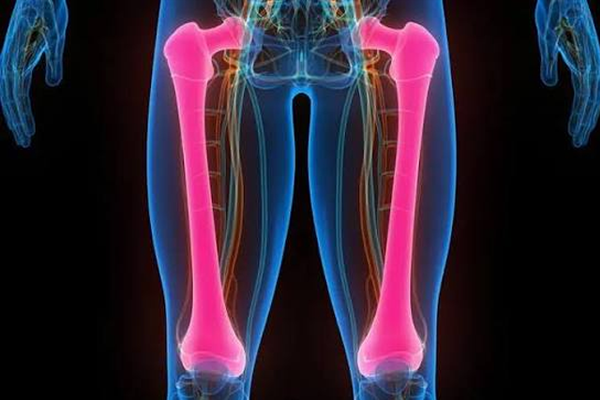
The Remarkable Biology of Living Bones
- Bones are living, dynamic tissues that continuously grow, remodel, and repair themselves throughout life.
- They are composed of specialized cells, blood vessels, nerves, collagen fibers, and mineral crystals.
- Bones provide structural support and help maintain the body’s shape and posture.
- They protect vital organs such as the brain, heart, lungs, and spinal cord from injury.
- Bones serve as attachment sites for muscles, enabling movement and physical activity.
- The skeleton stores essential minerals, including approximately 99% of the body’s calcium and 85% of its phosphorus.
- Bone marrow is responsible for producing red blood cells, white blood cells, and platelets.
- Bones function as active endocrine organs and contribute to mineral homeostasis.
- Bone tissue responds to mechanical stress and adapts according to the demands placed upon it.
- Through the piezoelectric effect, bones generate small electrical signals during movement, which help regulate bone remodeling and repair.
- Regular physical activity stimulates bone-forming cells, helping maintain bone strength and density.
- Rather than being inert structures, bones are living, responsive tissues that play a vital role in overall health and well-being.
The Science of Piezoelectricity in Bones
The term piezoelectricity originates from the Greek word piezein, meaning "to press." Piezoelectric materials generate electrical charges when subjected to mechanical stress. Bone tissue contains organized collagen fibers and mineral crystals that display piezoelectric properties. When bones are compressed during activities such as walking, climbing stairs, or resistance training, electrical potentials are generated within the skeletal matrix.
These electrical signals
- Stimulate bone-forming cells (osteoblasts).
- Promote mineral deposition.
- Support bone remodeling.
- Assist in fracture healing.
- Help maintain bone density and strength.
Research has demonstrated that areas experiencing greater mechanical stress tend to become stronger over time due to this adaptive response.
Physical Activity – A Key Driver of Bone Strength and Remodeling
Bones are dynamic living tissues that continuously respond to physical activity. When the body moves, muscles exert force on bones, creating mechanical stress that stimulates bone-forming cells (osteoblasts) and supports the natural process of bone remodeling. This adaptation helps bones become stronger, denser, and more resilient over time. Regular physical activity not only enhances bone mineral density but also improves muscle strength, joint stability, posture, balance, and coordination. These benefits collectively reduce the risk of falls, fractures, and age-related bone loss.
Activities that support healthy bones include
- Walking
- Brisk walking
- Jogging
- Stair climbing
- Resistance and strength training
- Yoga
- Dancing
- Hiking
- Weight-bearing exercises
- Tai Chi
- Skipping rope
- Low-impact aerobic exercises
Consistent participation in these activities helps maintain skeletal integrity, supports healthy aging, and promotes overall musculoskeletal health. Even moderate daily movement can provide significant long-term benefits for bone strength and function.
The Impact of Inactivity on Bone Health
- Bones require regular physical stimulation to maintain their strength and structural integrity. During periods of prolonged inactivity, the mechanical forces that normally act on the skeleton are significantly reduced. As a result, bone remodeling slows down, bone formation decreases, and bone resorption may gradually exceed bone building, leading to a decline in bone density over time.
- Extended sedentary behavior, prolonged bed rest, immobilization after injury, and lack of weight-bearing activities can all contribute to weakening of the skeletal system. In addition to bone loss, inactivity may also result in reduced muscle strength, impaired balance, joint stiffness, and an increased risk of falls and fractures.
- A well-known example of this phenomenon is observed in astronauts during long-duration space missions. In the microgravity environment of space, bones are exposed to minimal mechanical loading, which can lead to a measurable reduction in bone mineral density despite regular exercise protocols. Scientific studies on astronauts have provided valuable insights into the critical role that physical activity and gravitational forces play in maintaining healthy bones.
- These findings emphasize that regular movement and weight-bearing exercise are essential for preserving bone strength, supporting healthy bone remodeling, and maintaining skeletal health throughout all stages of life.
Asthi Dhatu and Skeletal Health
According to Ayurveda, bones are represented by Asthi Dhatu, one of the seven fundamental body tissues (Sapta Dhatus). Asthi Dhatu forms the structural framework of the body, providing stability, support, and protection to vital organs while enabling movement and maintaining posture. Healthy Asthi Dhatu is essential for strong bones, healthy joints, teeth, nails, and overall musculoskeletal function. The nourishment of Asthi Dhatu depends upon efficient digestion, proper metabolism, and adequate tissue nutrition. When Agni (digestive fire) functions optimally, nutrients are properly assimilated and transported to the tissues, supporting the formation and maintenance of healthy bones. Ayurveda also recognizes a close relationship between Asthi Dhatu and Vata Dosha, making balanced Vata important for preserving bone strength and skeletal integrity throughout life.
Causes of Asthi Dhatu Depletion
According to Ayurveda, Asthi Dhatu Kshaya (depletion of bone tissue) may occur when the body is unable to adequately nourish and maintain the skeletal system. Impaired digestion, poor nutrient assimilation, and imbalances in the doshas—particularly Vata Dosha—can adversely affect the formation and sustenance of Asthi Dhatu. Over time, this may contribute to weakening of the bones and musculoskeletal structures.
Several factors may contribute to the depletion of Asthi Dhatu, including
- Poor dietary habits and nutritional deficiencies
- Weak digestive fire (Mandagni)
- Excessive aggravation of Vata Dosha
- Aging and natural tissue degeneration
- Sedentary lifestyle and lack of physical activity
- Chronic stress and mental exhaustion
- Inadequate sleep and irregular daily routines
- Excessive physical exertion or overtraining
- Chronic illnesses that interfere with tissue nourishment
Ayurveda emphasizes early attention to these factors through proper diet, lifestyle modifications, and measures that support digestion and tissue nourishment, helping to maintain healthy bones and overall skeletal well-being.
Maintaining Healthy Bones Through Ayurveda
Ayurveda emphasizes a holistic approach to preserving bone health by supporting Asthi Dhatu through proper nutrition, balanced digestion, regular physical activity, and a healthy lifestyle. Along with weight-bearing exercises and a nutrient-rich diet, Ayurvedic herbs have traditionally been used to support skeletal strength and overall musculoskeletal wellness.
Dietary Recommendations
- Consume milk and dairy products if well tolerated.
- Include calcium-rich foods such as sesame seeds (Til), ragi (finger millet), almonds, and leafy green vegetables.
- Eat adequate amounts of protein from lentils, legumes, nuts, and seeds.
- Include seasonal fruits, dates, and figs as part of a balanced diet.
- Use ghee in moderation to support tissue nourishment.
- Maintain a healthy digestive fire (Agni) to ensure proper nutrient absorption and utilization.
Lifestyle Recommendations
- Engage in regular weight-bearing and strengthening exercises.
- Practice yoga, stretching, and balance-enhancing activities.
- Spend adequate time outdoors for sunlight exposure.
- Maintain a healthy body weight.
- Ensure adequate sleep and proper rest.
- Avoid smoking and excessive alcohol consumption.
- Follow a regular daily routine that supports overall well-being.
- Stay physically active throughout life to promote healthy bone remodeling and skeletal strength.

Ayurvedic Support for Strong Bones
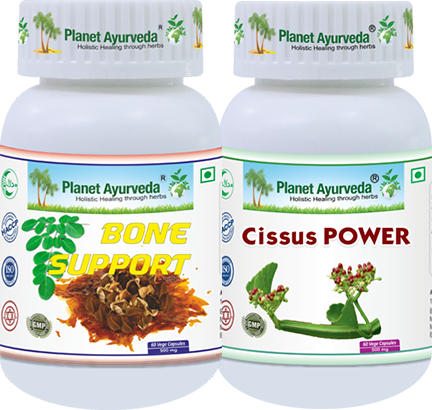
Ayurveda describes numerous herbs and natural mineral preparations that have traditionally been used to support Asthi Dhatu and promote skeletal wellness. These Ayurvedic formulations are valued for their nourishing properties and their role in maintaining healthy bones, joints, and connective tissues. Among them let’s learn about two wonderful Ayurvedic formulations below:
1. Bone Support Capsules
Bone Support Capsules are formulated with a combination of herbs and natural mineral ingredients that are traditionally valued in Ayurveda for supporting bone strength and skeletal wellness. The formulation contains Shudh Laksha (Laccifer lacca), Suhanjana Beej (Moringa oleifera), Hadjod (Cissus quadrangularis), Arjun (Terminalia arjuna), Mukta Pishti (Pearl Calcium Compound), etc. These ingredients have long been utilized in Ayurvedic practice to support healthy bones, maintain mineral balance, and promote overall musculoskeletal health. Together, they provide nutritional and herbal support for maintaining skeletal integrity and bone wellness
Dosage: 1-2 capsules twice daily with plain water after meals.
2. Cissus Power Capsules
Cissus Power Capsules contain a standardized extract of Hadjod (Cissus quadrangularis), a renowned herb in Ayurveda traditionally used to support bone health. Hadjod has been widely recognized for its role in supporting bone strength, promoting healthy bone remodeling, and maintaining skeletal integrity. It has also been traditionally used to assist recovery from bone injuries and to support overall joint and musculoskeletal wellness. Due to its long history of use in Ayurvedic medicine, Hadjod is considered one of the most respected herbs for promoting healthy bones and supporting the body’s natural processes involved in skeletal maintenance.
Dosage: 1-2 capsules twice daily with plain water after meals.
Conclusion
Bones are remarkable living tissues that continuously adapt, repair, and strengthen themselves in response to the demands placed upon them. The discovery of the piezoelectric effect has revealed that every step, stretch, and movement generates bioelectrical signals that help regulate bone remodeling and maintenance. Regular physical activity, therefore, plays a crucial role in preserving bone density, strength, and overall skeletal health. From an Ayurvedic perspective, healthy bones depend upon the proper nourishment of Asthi Dhatu, supported by balanced digestion, wholesome nutrition, and a healthy lifestyle. By combining regular exercise, nutrient-rich dietary habits, and traditional Ayurvedic approaches that support bone wellness, individuals can help maintain strong bones, healthy joints, mobility, and overall musculoskeletal well-being throughout every stage of life.


Dr. Vikram Chauhan
Latest posts by Dr. Vikram Chauhan (see all)
- Mouth Ulcers – Causes, Home Remedies & When They May Signal a Serious Problem - September 4, 2026
- Cavities Explained – Symptoms, Stages, Treatment & Prevention - September 3, 2026
- Bad Breath (Halitosis) – Hidden Causes, Effective Treatments & Prevention - September 3, 2026
- Teeth Grinding (Bruxism) – Causes, Symptoms & Effective Solutions - August 29, 2026
- Dry Mouth (Xerostomia) – Causes, Symptoms & Natural Ways to Relieve It - August 28, 2026