


PCOS Treatment in Ayurveda: Causes, Symptoms & Management
INTRODUCTION
Polycystic Ovary Syndrome (PCOS), commonly referred to as PCOD, has become a widely discussed health concern among women of reproductive age. Several Bollywood actresses,including Sara Ali Khan, Sonam Kapoor Ahuja, and Victoria Beckham (internationally known for her experience with PCOS), have been associated with public discussions about hormonal health, helping bring greater attention to womens reproductive health. But an important question arises: Even actresses who follow carefully planned diets, maintain fitness routines, and pay close attention to their lifestyles can develop PCOS. Why does this happen despite their efforts to stay healthy? But why does PCOS seem so common nowadays? The reasons include genetic susceptibility, insulin resistance, hormonal disturbances, sedentary habits, irregular sleep schedules, and changing dietary patterns. Stress and weight gain can aggravate symptoms in some women, although PCOS also affects women who are lean and physically active. Increased awareness and improved diagnostic facilities have also contributed to more reported cases. PCOS is more than an ovarian condition; it can affect menstrual cycles, fertility, skin health, metabolism, and emotional well-being. Early diagnosis, appropriate medical guidance, and sustainable lifestyle changes are essential for long-term management.
WHAT IS PCOS?
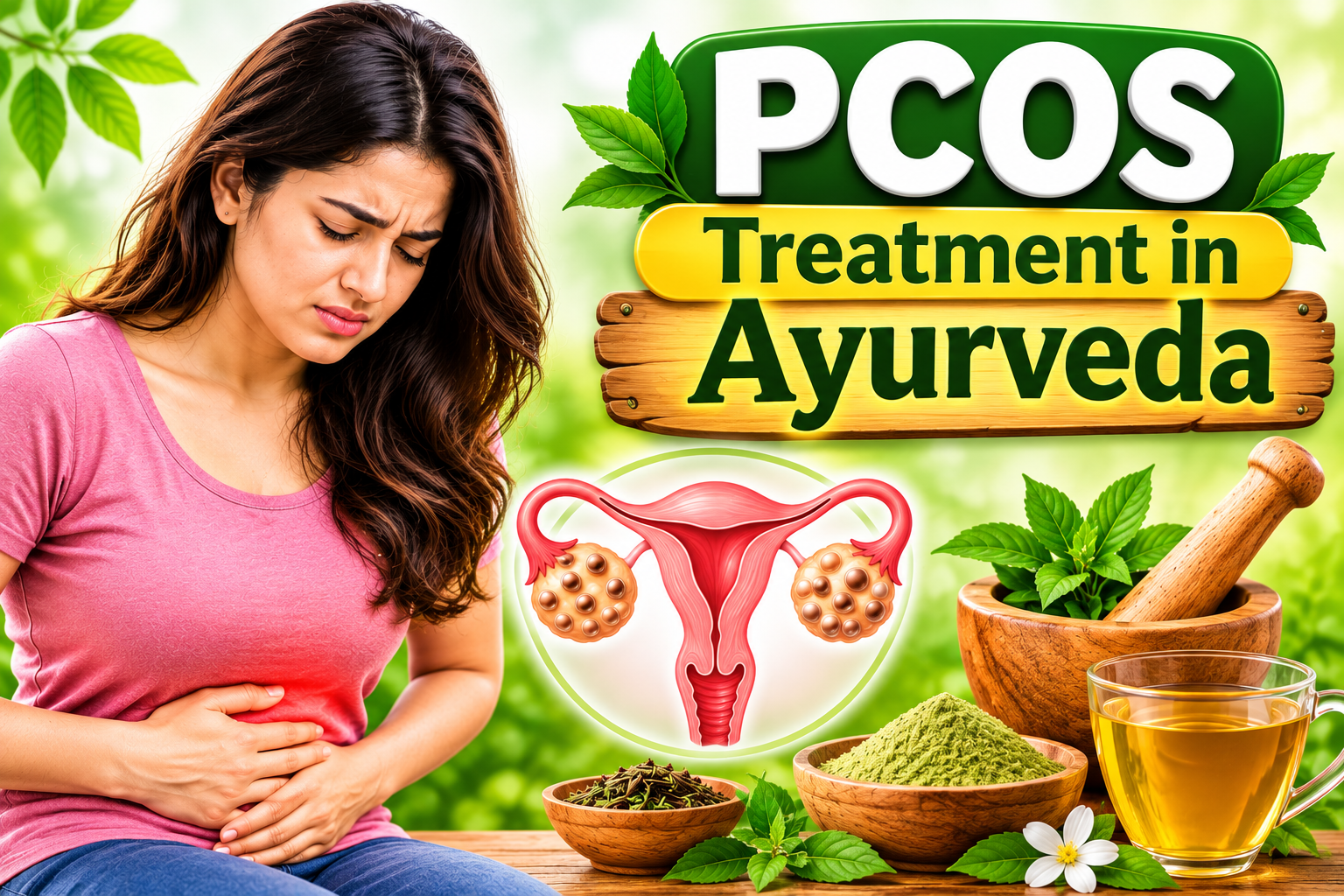
Polycystic Ovary Disease (PCOD), commonly discussed under the medical term Polycystic Ovary Syndrome (PCOS), is a hormonal and metabolic disorder that affects women during their reproductive years. It is associated with irregular menstrual cycles, excess androgen levels (male-type hormones), and disturbances in normal ovulation. Some women develop multiple small follicles in their ovaries, which may appear on ultrasonography.
CAUSES OF POLYCYSTIC OVARIAN SYNDROME
- Genetic Predisposition: Women with a family history of PCOS or related metabolic disorders have a higher likelihood of developing the condition.
- Insulin Resistance: When body cells respond poorly to insulin, the pancreas produces more insulin. High insulin levels can stimulate the ovaries to produce excess androgens, interfering with normal ovulation.
- Hormonal Imbalances: Increased androgen levels and alterations in reproductive hormone activity can disrupt follicular development and menstrual regularity.
- Low-Grade Chronic Inflammation: Some women with PCOS have increased inflammatory markers, which may be associated with hormonal and metabolic disturbances.
- Excess Androgen Production: Higher levels of androgens, commonly called male- type hormones, can contribute to acne, excess facial hair, scalp hair thinning, and irregular ovulation.
- Metabolic Dysfunction: Disturbances in glucose and lipid metabolism can contribute to the development and severity of PCOS symptoms.
- Excess Body Weight: Higher body fat levels can worsen insulin resistance and hormonal disturbances in susceptible women. However, PCOS can also occur in women with a normal body weight.
- Lifestyle Factors: Physical inactivity, inadequate sleep, and unhealthy dietary patterns can aggravate metabolic problems and symptoms, but they are not the sole causes of PCOS.
- Environmental and Developmental Influences: Factors affecting hormonal and metabolic development may contribute to susceptibility, although their exact roles are still being investigated.
SIGNS/SYMPTOMS OF POLYCYSTIC OVARIAN SYNDROME
- Irregular Menstrual Cycles: Periods may occur infrequently, become unpredictable, or stop for several months due to irregular ovulation.
- Excessive Facial and Body Hair: Increased androgen levels can cause unwanted hair growth on the chin, upper lip, chest, abdomen, and other areas.
- Acne and Oily Skin: Hormonal changes may increase sebum production, leading to persistent acne, particularly around the jawline, chin, and lower face.
- Scalp Hair Thinning: Some women experience gradual thinning of scalp hair due to increased sensitivity to androgens.
- Difficulty Conceiving: Irregular or absent ovulation can make conception more difficult.
- Weight Gain: Some women experience weight gain or difficulty managing their weight, although PCOS can also occur in women with a normal body weight.
- Insulin Resistance: Reduced insulin sensitivity may contribute to elevated blood glucose levels and an increased risk of type 2 diabetes.
- Darkened Skin Patches: Dark, thickened skin around the neck, armpits, or groin may indicate acanthosis nigricans, which is often associated with insulin resistance.
- Mood Changes: Anxiety, low mood, and depressive symptoms occur more frequently in women with PCOS and can affect their quality of life.
- Sleep Disturbances: Some women experience poor sleep quality, and those with PCOS have an increased risk of obstructive sleep apnoea, particularly when other risk factors are present.
- Pelvic Discomfort: Some women report pelvic discomfort, although persistent pelvic pain is not a defining symptom of PCOS and should be evaluated separately.
- Fatigue: Tiredness may occur alongside sleep problems, insulin resistance, mood disturbances, or associated conditions such as anaemia or thyroid disorders.
DIAGNOSIS
PCOS is diagnosed through a combination of medical history, physical examination, and appropriate investigations. In adults, the Rotterdam-based criteria are commonly used. After excluding other conditions that cause similar symptoms, at least two of the following three features are required for diagnosis.
- Menstrual Irregularities and Ovulatory Dysfunction: Irregular periods, infrequent menstruation, or absent periods may indicate that ovulation is not occurring regularly.
- Clinical or Biochemical Hyperandrogenism: Excess facial or body hair, persistent acne, or scalp hair thinning may suggest increased androgen activity. Blood tests can measure androgen levels, particularly total and free testosterone.
- Polycystic Ovarian Morphology: Pelvic ultrasound may identify an increased number of small ovarian follicles or increased ovarian volume. In adults, ultrasound is not necessary when both irregular ovulation and hyperandrogenism are already present.
- Hormonal tests: Thyroid-stimulating hormone (TSH), prolactin, and other tests may be advised to exclude alternative causes of menstrual irregularities.
- Blood glucose assessment: A 75-g oral glucose tolerance test (OGTT) is the most accurate test for assessing glucose intolerance in PCOS.
- Lipid profile: Evaluates cholesterol and triglyceride levels to assess metabolic risk.
- Blood pressure and body measurements: Help assess associated cardiovascular and metabolic risk factors.
MANAGEMENT
- Healthy Dietary Habits: Follow a balanced diet containing vegetables, fruits, whole grains, pulses, lean protein, and healthy fats. Limit highly processed foods and sugary drinks to support metabolic health.
- Regular Physical Activity: Aim for at least 150 minutes of moderate-intensity exercise per week, along with muscle-strengthening activities on two days. Choose activities such as brisk walking, cycling, swimming, or strength training.
- Weight Management: For women with excess weight, gradual and sustainable weight reduction can improve insulin sensitivity, menstrual regularity, and metabolic health. Weight loss is not necessary for every woman with PCOS.
- Medical Management of Menstrual Irregularities: Combined oral contraceptive pills may be prescribed to regulate menstrual cycles, manage acne, and reduce excess hair growth. Progestogen therapy may be used to protect the uterine lining when periods are infrequent.
- Management of Insulin Resistance: Metformin may be recommended, particularly for women with metabolic risk factors or impaired glucose regulation, under medical supervision.
- Fertility Support: Women experiencing difficulty conceiving may benefit from ovulation-inducing medication. Letrozole is generally recommended as the first-line pharmacological treatment for anovulatory infertility associated with PCOS when no other infertility factors are present.
- Management of Acne and Excess Hair Growth: Treatment options include appropriate dermatological care, hormonal medication, and cosmetic methods such as laser hair reduction, depending on individual needs.
- Stress Management: Yoga, meditation, breathing exercises, and relaxation techniques can support emotional well-being and help manage stress.
- Adequate Sleep: Maintain a regular sleep schedule and aim for 7–9 hours of sleep per night. Seek medical evaluation if there is persistent snoring or excessive daytime sleepiness.
- Regular Health Monitoring: Monitor blood pressure, blood glucose, lipid levels, and menstrual patterns as advised by a healthcare professional to identify associated health risks early.
- Emotional and Psychological Support: PCOS can affect body image, self- confidence, and mental health. Counselling or psychological support can help women cope with anxiety, low mood, or emotional distress.
AYURVEDIC INSIGHTS
From an Ayurvedic perspective, PCOS-related symptoms can be assessed through the concepts of Dosha (functional regulatory principles), Agni (digestive and metabolic capacity), Meda Dhatu (adipose tissue), Artava (menstrual and reproductive function), and Apana Vayu (the Vata subtype associated with menstruation and other downward-moving functions). This perspective supports an individualised approach to diet, lifestyle, and complementary care alongside evidence-based medical management.
SAMPRAPTI ( PATHOGENESIS )
Nidana Sevana (Improper diet, sedentary lifestyle, stress, and disturbed sleep)
↓
Dosha Vaigunya (Kapha aggravation and Vata disturbance)
↓
Agnimandya (Impaired digestive and metabolic capacity)
↓
Ama Formation and Meda Dhatu Dushti (Ama accumulation and disturbed fat tissue
metabolism)
↓
Srotodushti (Disturbance of Artavavaha Srotas)
↓
Artava Dushti and Apana Vata Vaigunya (Disturbed menstruation and ovulation)
↓
PCOS-Related Clinical Features (Irregular periods, anovulation, and metabolic or androgen-related symptoms)
LAKSHAN
- Artava Dushti (Menstrual Disturbances): Irregular menstruation, delayed periods, scanty menstrual flow, or absence of menstruation may be observed.
- Nashtartava (Absent Menstruation): Prolonged absence of menstruation may be considered in relation to amenorrhoea, although the causes require proper assessment.
- Artava Kshaya (Reduced Menstrual Flow): Some women experience scanty or infrequent menstrual bleeding.
- Medovriddhi (Increased Adipose Tissue): Weight gain or increased body fat may occur in some women, particularly when metabolic disturbances coexist.
- Agnimandya (Impaired Digestive Capacity): Digestive complaints and features interpreted as reduced metabolic capacity may be present in some individuals.
- Mukhadushika (Acne): Acne may be correlated with Mukhadushika, an Ayurvedic description of acne-like eruptions.
- Atiyukta Romavriddhi (Excessive Hair Growth): Excess facial or body hair associated with elevated androgen activity can be described clinically, although it is not a specific classical diagnostic feature of PCOS.
- Keshapatana (Hair Loss): Scalp hair thinning may occur in women with androgen excess.
- Vandhyatva (Infertility): Difficulty conceiving may arise when ovulation is irregular or absent.
- Manasika Lakshana (Psychological Symptoms): Stress, anxiety, and low mood may accompany PCOS
CHIKITSA
Ayurvedic management of Polycystic Ovary Syndrome (PCOS) focuses on individual assessment of Dosha involvement, Agni, Meda Dhatu, menstrual function, and reproductive health. Since PCOS does not have a single direct equivalent in classical Ayurvedic texts, treatment should be planned according to the patients symptoms, constitution, metabolic health, and reproductive goals.
- Nidana Parivarjana (Avoidance of Causative Factors): Reduce sedentary behaviour, maintain regular sleep patterns, follow balanced dietary habits, and address factors that can aggravate metabolic disturbances.
- Ahara Chikitsa (Dietary Management): Emphasise vegetables, pulses, whole grains, adequate protein, and fibre-rich foods. Limit excessive intake of highly processed foods and sugary drinks. Dietary choices should suit the individuals nutritional needs.
- Vihara Chikitsa (Lifestyle Management): Encourage regular physical activity, including walking, yoga, and strength training. Consistent exercise supports insulin sensitivity, metabolic health, and psychological well-being.
- Deepana-Pachana: When indicated after individual assessment, Ayurvedic approaches intended to support Agni and digestion may be considered. Their use should be guided by a qualified Ayurvedic practitioner.
- Medohara Chikitsa: In women with excess adiposity or associated metabolic disturbances, individualised dietary and lifestyle measures may be planned to address Meda Dhatu-related concerns without excessive restriction or nutritional deficiency.
- Artava Regulation: Irregular menstruation should be evaluated medically to identify PCOS and exclude other hormonal conditions. Ayurvedic treatment may be considered as complementary care, but its effectiveness for regulating ovulation is not well established.
- Panchakarma Therapies: Procedures such as Basti or Virechana are sometimes considered in Ayurvedic practice following careful patient assessment. Evidence supporting their effectiveness for PCOS is limited, and these procedures should only be undertaken under qualified supervision.
- Manasika Swasthya (Mental Well-being): Yoga, meditation, breathing exercises, adequate sleep, and counselling can support emotional health and stress management.
- Rasayana Support: Selected Rasayana preparations may be considered according to individual needs, but evidence for specific formulations in PCOS remains limited. Safety, potential interactions, and pregnancy plans must be assessed before use.
HERBAL REMEDIES USED BY PLANET AYURVEDA
Planet Ayurveda is a well-established Ayurvedic healthcare organization that works to promote the ancient knowledge of Ayurveda through natural remedies and holistic health solutions. The company develops a wide range of herbal formulations using pure, high-quality ingredients and standardized herbal extracts, with a focus on maintaining safety,authenticity, and effectiveness. Following the principles of classical Ayurveda, Planet Ayurveda aims to support overall health by addressing the underlying causes of health concerns and encouraging balance in the body, mind, and emotions. With an emphasis on quality, natural ingredients, and traditional approaches supported by modern research, the organization works toward making Ayurvedic wellness solutions available globally. Planet Ayurveda offers various Ayurvedic formulations that are designed to use in management of Polycystic Ovarian Syndrome The formulations are;
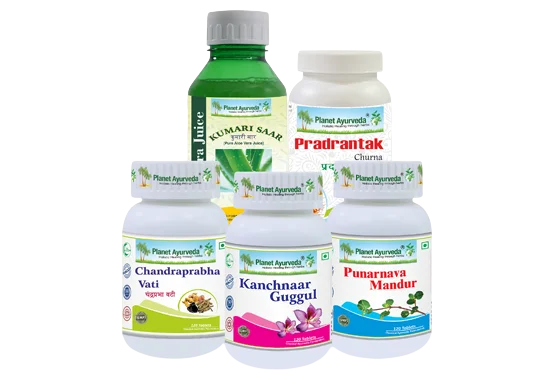
- Pradrantak churna
- Chandraprabha Vati
- Kanchnaar Guggul
- Kumari Saar
- Punarnava Mandur
ANTI-OVARIAN CYST PACK

PRODUCT DESCRIPTION
1. Pradrantak Churna
It contains Ashoka (Saraca asoca), Udumbara (Ficus racemosa) and Arjuna (Terminalia arjuna)n etc traditionally used in Ayurveda for supporting female reproductive health and managing menstrual complaints. Ashoka is valued for uterine health, while Udumbara and Arjuna possess Kashaya Rasa (astringent taste). In PCOS, this formulation may be considered as a supportive option for selected menstrual symptoms, depending on the patients condition and Ayurvedic assessment.
Dosage – 1 tsp twice a day with plain water.
2. Chandraprabha vati
It is an Ayurvedic formulation traditionally used to support urinary and reproductive health. Its ingredients include Mustaka (Cyperus rotundus), Haridra (Curcuma longa), Amalaki (Emblica officinalis), Chavya (Piper chaba), Vidanga (Embelia ribes), Guduchi (Tinospora cordifolia), Shunthi (Zingiber officinale) and Maricha (Piper nigrum). These herbs are traditionally valued for their roles in supporting digestion and metabolic function.
Dosage – 2 tablets twice a daily.
3. Kanchnaar Guggul Tablets
It is an Ayurvedic formulation traditionally used for conditions involving glandular swellings and Kapha-related disorders. Its key ingredient, Kanchanar (Bauhinia variegata), is combined with Amalaki (Emblica officinalis), Haritaki (Terminalia chebula), Bibhitaki (Terminalia bellirica),Shunthi (Zingiber officinale) , Maricha ( Piper nigrum) Pippali ( Piper longum) and Varuna (Crataeva religiosa) and many more herbs.
Dosage – 2 tablets twice daily.
4. Kumari Saar
It is an Ayurvedic formulation traditionally used to support digestive function and female reproductive health. Kumari (Aloe vera) is its principal ingredient and is traditionally associated with Artava-related complaints (menstrual disorders).
Dosage – 2 tsp twice a day.
5. Punarnava Mandur Tablets
It is an Ayurvedic formulation traditionally used for Pandu Roga (anaemia) and conditions associated with impaired metabolism. Its ingredients include Punarnava (Boerhavia diffusa), Shunthi (Zingiber officinale), Pippali (Piper longum), Maricha (Piper nigrum), Amalaki (Emblica officinalis), Haritaki (Terminalia chebula) and Chavya (Piper chaba). In PCOS, it may be considered when anaemia or associated digestive complaints require attention.
Dosage– 2 tablets twice a day
CONCLUSION
Polycystic Ovary Syndrome (PCOS) has emerged as a significant health concern among women of reproductive age due to its complex hormonal, reproductive and metabolic effects. Its increasing recognition highlights the importance of understanding the contributing factors, including genetic susceptibility, insulin resistance, lifestyle patterns, stress and sleep disturbances. PCOS affects women differently, with symptoms ranging from irregular menstruation and acne to excessive hair growth, weight-related difficulties and reduced fertility. Therefore, a single management approach cannot suit every individual. Early diagnosis, regular monitoring and personalized treatment are essential to address symptoms and reduce the risk of long-term complications, including type 2 diabetes and endometrial problems. A balanced diet, consistent physical activity, adequate sleep and effective stress management form important components of care. Medical treatment should be selected according to the patients symptoms, metabolic profile and reproductive goals.. Greater awareness, timely intervention and sustained care can help women manage PCOS effectively and improve their overall quality of life.


Dr. Vikram Chauhan
Latest posts by Dr. Vikram Chauhan (see all)
- Depleted Mother Syndrome: Causes, Symptoms & Ayurvedic Care - October 30, 2026
- PCOS Treatment in Ayurveda: Causes, Symptoms & Management - October 30, 2026
- Charak Samhita – Sutrasthana – Chapter 26 (Atreyabhadrakapyiya Adhyaya) - October 29, 2026
- Keto Diet: Benefits, Foods, Weight Loss & Side Effects - October 29, 2026
- Herbal Remedies For Immune Thrombocytopenia (ITP) – Symptoms, Causes & Treatment in Ayurveda - October 29, 2026