


Sweet’s Syndrome – Causes, Symptoms, Diagnosis & Ayurvedic Overview
Abstract
Sudden painful red skin eruptions accompanied by fever can often signal an underlying systemic imbalance rather than a simple skin disorder. Sweet’s Syndrome is a rare inflammatory condition that reflects complex immune dysregulation involving neutrophils and is frequently linked with infections, autoimmune diseases, drugs, or hidden malignancies. From an Ayurvedic perspective, it can be viewed as a manifestation of aggravated Pitta and Rakta Dushti leading to inflammatory skin pathology. This article presents a structured overview of Sweet’s Syndrome, highlighting key facts, statistical trends, causes, clinical symptoms, and diagnostic approach. It also integrates an Ayurvedic perspective to understand the condition through dosha imbalance and systemic toxicity. In this article, facts, statistics, causes, symptoms, diagnosis, and Ayurvedic overview of Sweet’s Syndrome will be discussed in detail.
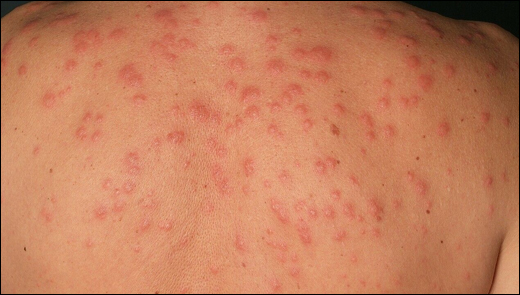
Facts of Sweet’s Syndrome
- Sweet’s Syndrome, also known as Acute Febrile Neutrophilic Dermatosis, is a rare inflammatory dermatological disorder characterized by neutrophil-rich skin lesions without infection.
- The disease was first described by Dr. Robert Douglas Sweet in 1964, forming the basis of its clinical definition.
- Sweet’s Syndrome is a non-contagious and sterile inflammatory condition, meaning lesions are not caused by pathogens.
- It predominantly affects middle-aged adults, with a marked female preponderance.
- Histopathology typically shows dense neutrophilic infiltration in the dermis without leukocytoclastic vasculitis in classical cases.
- The condition may occur as an idiopathic disease or as a secondary manifestation of systemic illness such as malignancies, infections, or autoimmune disorders.
- A rapid response to systemic corticosteroids is considered a key clinical hallmark.
- It reflects an underlying immune dysregulation involving hypersensitivity and abnormal neutrophil activation.
Statistics of Sweet’s Syndrome
- Sweet’s Syndrome is classified as a rare neutrophilic dermatosis, with true global incidence remaining unknown.
- It shows a female-to-male ratio of approximately 3:1, indicating strong gender predominance.
- The peak age of onset is 30–60 years, although cases can occur at any age.
- Around 20–30% of cases are associated with underlying malignancies, particularly hematological cancers such as acute myeloid leukemia (AML) and myelodysplastic syndromes (MDS).
- Approximately 15–20% of cases may be drug-induced, especially linked to agents like G-CSF and certain antibiotics.
- Recurrence is observed in a subset of patients, especially when the underlying trigger remains untreated or persistent.
- Elevated inflammatory markers such as ESR and CRP are commonly observed, reflecting systemic inflammation.
Introduction
Sweet’s Syndrome, or acute febrile neutrophilic dermatosis, is a rare inflammatory condition characterized by abrupt onset of painful erythematous skin lesions, fever, and systemic inflammatory features. It represents a neutrophil-mediated hypersensitivity reaction and is often associated with infections, autoimmune disorders, malignancies, or drug exposure. Histopathologically, it is defined by dense dermal infiltration of mature neutrophils without evidence of vasculitis. The condition may present in classical, malignancy-associated, or drug-induced forms, making clinical evaluation essential for underlying disease identification and management.
Causes of Sweet’s Syndrome
Sweet’s Syndrome has a multifactorial etiology and is broadly classified into:
1. Idiopathic
- Upper respiratory tract infections
- Gastrointestinal infections
- Pregnancy-related immunological changes
- Inflammatory bowel disease (Crohn’s disease, ulcerative colitis)
2. Malignancy-Associated
- Acute myeloid leukemia (AML)
- Myelodysplastic syndromes (MDS)
- Other hematological malignancies
- Rare solid tumors (breast, genitourinary cancers)
3. Drug-Induced
- Granulocyte colony-stimulating factor (G-CSF)
- Certain antibiotics (e.g., trimethoprim-sulfamethoxazole)
- Antiepileptic drugs
- Other immunomodulatory agents
4. Autoimmune/Inflammatory Disorders
- Rheumatoid arthritis
- Systemic lupus erythematosus
- Inflammatory bowel disease
Symptoms of Sweet’s Syndrome
Clinical presentation of Sweet’s Syndrome is characterized by an acute systemic inflammatory response, where cutaneous and systemic features appear abruptly due to intense neutrophilic activation:
Cutaneous Features
- Sudden onset of painful erythematous plaques or nodules
- Lesions commonly on face, neck, upper limbs
- Lesions may be pseudovesicular or edematous
Systemic Features
- High-grade fever
- Malaise and fatigue
- Arthralgia (joint pain)
- Headache
Laboratory Findings
- Neutrophilic leukocytosis
- Elevated ESR and CRP
- Increased inflammatory markers
Ocular & Rare Manifestations
- Conjunctivitis
- Episcleritis
- Rare mucosal involvement
Differential Diagnosis of Sweet’s Syndrome
- Cellulitis and Erysipelas: Bacterial infections with localized redness, warmth, and positive microbial findings.
- Cutaneous Vasculitis: Shows vessel wall inflammation and leukocytoclastic vasculitis on biopsy.
- Erythema Multiforme: Target-shaped lesions often triggered by infections or drugs.
- Drug Eruptions: Skin rashes due to medications, usually without neutrophilic dermal infiltration.
- Pyoderma Gangrenosum: Painful ulcerative lesions, commonly associated with systemic diseases like IBD.
- Cutaneous Lymphoma: Malignant skin condition that may mimic inflammatory plaques.
- Other Infections: Fungal or atypical bacterial infections presenting with similar skin changes.
Diagnosis of Sweet’s Syndrome
Diagnosis of Sweet’s Syndrome is made through a combination of clinical assessment, laboratory tests, and skin biopsy. Clinically, it presents with sudden painful skin lesions along with fever and systemic inflammation. Laboratory findings typically show neutrophilic leukocytosis with raised ESR and CRP. The confirmatory test is skin biopsy, which reveals dense neutrophilic infiltration in the dermis without vasculitis or infectious organisms. Additional investigations such as autoimmune markers, bone marrow examination, and imaging studies may be performed to identify any underlying malignancy, infection, or systemic disease.
Latest Immunology Mechanisms of Sweet’s Syndrome
- Sweet’s Syndrome happens when the body’s immune system becomes overactive and sends too many white blood cells (neutrophils) to the skin, causing sudden inflammation.
- Certain natural body chemicals called cytokines (like IL-1, IL-6, and TNF-α) act like “alarm signals” and wrongly trigger strong inflammation in the skin.
- The immune system behaves like it is overreacting to a threat even when no infection is present.
- In some cases, the body produces too much growth signals like G-CSF, which increases white blood cells and worsens skin inflammation.
- The white blood cells do not switch off properly, so they keep collecting in the skin and cause painful red patches and swelling.
- Sometimes cancers or certain medicines can “confuse” the immune system and trigger this reaction.
- Doctors believe it is more of an immune system imbalance (overreaction problem) rather than an infection.
- Steroid medicines work quickly because they calm down the immune system and reduce this overactive inflammation.
Ayurvedic Overview of Sweet’s Syndrome
- In Ayurveda, Sweet’s Syndrome is understood as a condition mainly involving Pitta and Rakta Dushti (Pitta = body heat and metabolic activity; Rakta = blood tissue responsible for nourishment and skin health; Dushti means imbalance or contamination). When these become disturbed, it leads to sudden inflammatory skin reactions.
- The main symptoms like redness, burning sensation, pain, warmth in skin, and fever indicate aggravated Pitta dosha (increase in body heat and inflammatory processes). This means the body’s internal heat system becomes overactive and starts affecting the skin.
- Rakta Dhatu (blood tissue), when affected, loses its purity and normal function, leading to skin eruptions, swelling, and inflammatory lesions.
- The concept of Ama (metabolic toxins) plays an important role. Ama blocks the body channels (Srotas), disturbing normal circulation and triggering immune and inflammatory responses.
- This condition shows similarity with Raktapitta (bleeding and heat-related blood disorders) and Kushtha disorders (a group of chronic skin diseases involving dosha imbalance and toxin accumulation), especially because both involve skin manifestations and blood vitiation.
- Various triggers such as infections, stress, hormonal changes, or certain drugs act as Nidana (causative factors that disturb body equilibrium and initiate disease formation). These factors push the body into imbalance, especially increasing Pitta and affecting Rakta (Blood Tissue).
Herbal Remedies by Planet Ayurveda for Sweet’s Syndrome
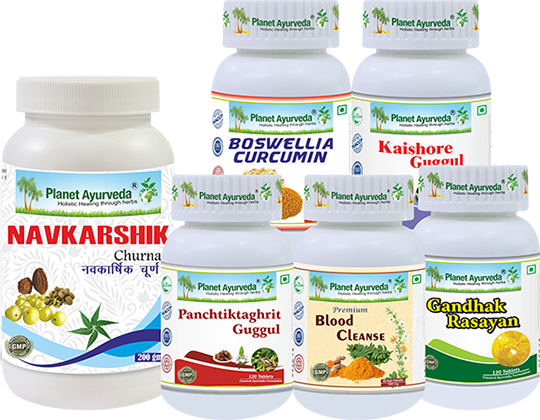

Planet Ayurveda is a trusted Ayurvedic healthcare company that follows the principles of classical Ayurveda to provide 100% natural, herbal, and chemical-free formulations. The organization focuses on creating standardized herbal products based on traditional Ayurvedic texts, with an emphasis on safety, purity, and effectiveness. Planet Ayurveda aims to manage health conditions by addressing their root cause through holistic healing, rather than just symptom control. Their formulations are prepared using high-quality herbs without additives, preservatives, or synthetic ingredients, making them suitable for long-term use. In conditions like Sweet’s Syndrome, Planet Ayurveda offers herbal combinations that support detoxification, balance doshas, and promote natural healing of the body in a gentle and effective way. Now we will learn about the herbal approach offered by Planet Ayurveda, which focuses on supporting the body’s natural healing in conditions like Sweet’s Syndrome. Their formulations are based on classical Ayurvedic principles that aim to balance aggravated Pitta and Rakta (heat and blood tissues responsible for inflammation and skin health), while also helping in detoxification and immune regulation.
- Kaishore Guggul
- Boswellia Curcumin
- Blood Cleanse Capsules
- Gandhak Rasayan
- Navkarshik Churna
- Panchtikta Ghrit Guggul
Product Description
1. Kaishore Guggul
Kaishore Guggul, prepared by Planet Ayurveda is a classical Ayurvedic formulation prepared using information from classical Ayurvedic texts. It contains herbs such as Embelia ribes (Vidanga), Baliospermum montanum (Red Physic Nut), Ipomoea turpethum (Indian Jalap), Commiphora mukul (Guggul), etc. These herbs work together to support blood purification (Rakta Shodhana), reduce Pitta-related inflammation (heat and redness), and eliminate toxins (Ama) from the body. Due to these actions, Kaishore Guggul may help in reducing skin inflammation, redness, swelling, and discomfort seen in Sweet’s Syndrome while supporting overall detoxification and immune balance.
Dosage: 2 tablets twice daily with plain water after meals.
2. Boswellia Curcumin
Boswellia Curcumin, prepared by Planet Ayurveda is a natural herbal formulation made using standardized extracts of potent anti-inflammatory herbs. It contains Boswellia serrata (Shallaki) and Curcuma longa (Turmeric). These herbs are well known for their strong anti-inflammatory, antioxidant, and immunomodulatory properties, which help in regulating excessive immune responses in the body. Due to these actions, Boswellia Curcumin may help in reducing pain, swelling, redness, and inflammatory skin reactions seen in Sweet’s Syndrome while also supporting tissue healing and overall immune balance.
Dosage: 1 capsule twice daily with plain water after meals.
3. Premium Blood Cleanse Capsules
Premium Blood Cleanse Capsules, prepared by Planet Ayurveda, are a herbal formulation designed to support blood purification and healthy skin function. They contain herbs such as Curcuma longa (Turmeric) and Azadirachta indica (Neem). These herbs possess blood-purifying, anti-inflammatory, antioxidant, and antimicrobial properties, which help reduce excess heat, cleanse the blood, and support the body’s natural detoxification process. Due to these actions, Premium Blood Cleanse Capsules may help in managing inflammatory skin conditions like Sweet’s Syndrome by reducing redness, skin irritation, and inflammation while promoting healthier skin and overall immune function.
Dosage: 1 capsule twice daily with plain water after meals.
4. Gandhak Rasayan
Gandhak Rasayan, prepared by Planet Ayurveda, is a classical Ayurvedic formulation containing Shuddha Gandhak (Purified Sulphur) as its main ingredient. Purified Gandhak is traditionally valued for its Rasayana (rejuvenating), antimicrobial, anti-inflammatory, and skin-supportive properties. It helps in maintaining healthy skin, reducing inflammation, and supporting the body’s natural defense mechanisms. Due to these actions, Gandhak Rasayan may help reduce recurrent skin eruptions, promote healing of inflamed skin lesions, and support overall skin health and immunity in individuals with Sweet’s Syndrome.
Dosage: 2 tablets twice daily with plain water after meals.
5. Navkarshik Churna
Navkarshik Churna, prepared by Planet Ayurveda, is a classical Ayurvedic polyherbal formulation that contains herbs such as Picrorhiza kurroa (Katuki), Tinospora cordifolia (Giloy), Berberis aristata (Daruhaldi), etc. These herbs are known for their detoxifying, liver-supportive, blood-purifying, and immunomodulatory properties. They help eliminate Ama (metabolic toxins), improve digestion and metabolism, and support healthy immune function. Due to these actions, Navkarshik Churna may help reduce systemic inflammation, support skin health, and promote natural detoxification, making it beneficial in the holistic management of Sweet’s Syndrome
Dosage: ½ tsp twice daily with plain water after meals.
6. Panchtiktaghrit Guggu
Panchtikta Ghrit Guggul, prepared by Planet Ayurveda, is a classical Ayurvedic formulation that contains herbs such as Azadirachta indica (Neem), Tinospora cordifolia (Giloy), Adhatoda vasica (Vasa), along with other bitter herbs and Commiphora mukul (Guggul). These ingredients are traditionally known for their anti-inflammatory, blood-purifying, detoxifying, and tissue-healing properties. They help balance Pitta and Rakta, support the elimination of toxins (Ama), and promote healthy skin. Due to these actions, Panchtikta Ghrit Guggul may help reduce inflammatory skin lesions, support skin repair, and maintain immune balance in individuals with Sweet’s Syndrome.
Dosage: 2 tablets twice daily with plain water after meals.
Note
The herbal formulations mentioned above are intended to support overall health and should not be used as a substitute for professional medical care. Individuals with Sweet’s Syndrome should consult a qualified healthcare professional or an Ayurvedic physician before starting any herbal remedy or medication, especially if they are pregnant, breastfeeding, taking immunosuppressants, corticosteroids, or other prescription medicines, or have an underlying medical condition. Always follow medical advice and use herbal supplements under appropriate supervision.
Conclusion
Sweet’s Syndrome is a rare inflammatory skin disorder that requires early diagnosis and appropriate management to prevent complications and identify any underlying systemic disease. Understanding its causes, symptoms, diagnosis, and immune mechanisms plays an important role in timely treatment and better patient outcomes. From an Ayurvedic perspective, balancing Pitta Dosha, purifying Rakta (blood tissue), and eliminating Ama (metabolic toxins) are considered essential for restoring overall health. Along with conventional medical care, a holistic Ayurvedic approach using herbal formulations may help support immune balance, reduce inflammation, promote healthy skin, and improve quality of life. Planet Ayurveda offers authentic herbal formulations prepared according to classical Ayurvedic principles that may help support the holistic management of Sweet’s Syndrome naturally


Dr. Vikram Chauhan
Latest posts by Dr. Vikram Chauhan (see all)
- Hemangiomas(benign vascular tumors) , Causes, Symptoms, Key Facts & Treatment - October 16, 2026
- Top 6 Herbs for stronger bones as per Ayurvedic Texts - October 12, 2026
- Top 4 Herbs for Stronger Liver as per Ayurvedic Texts - October 6, 2026
- Management of Olfactory neuroblastoma (ONB) in Ayurveda - September 28, 2026
- What is Aroma Therapy? – How is it an important part of Indian and different cultures since long? - September 18, 2026