


Kalari Massage and How It Differs from Abhyanga in Ayurveda – Benefits, Techniques & Uses
Abstract
Ayurveda and the traditional healing systems of India have long recognized the importance of therapeutic bodywork in maintaining health and restoring balance. Among the various forms of traditional massage practiced in India, Abhyanga and Kalari Massage hold special significance. While both therapies involve the application of medicated oils and manual manipulation of the body, their origins, objectives, techniques, and therapeutic applications differ considerably. Abhyanga is a classical Ayurvedic oil massage primarily aimed at balancing the doshas, nourishing tissues, and promoting relaxation, whereas Kalari Massage evolved from the martial tradition of Kalaripayattu and focuses on improving flexibility, muscular strength, circulation, and energy flow. Understanding the differences between these therapies can help individuals choose the most appropriate treatment according to their health goals. This article explores the history, principles, techniques, benefits, and differences between Kalari Massage and Abhyanga in detail.
Introduction
Massage therapy has been an integral component of traditional healthcare systems for thousands of years. In India, therapeutic massage is deeply rooted in Ayurveda, where it is regarded not merely as a physical treatment but as a means of restoring harmony between the body, mind, and consciousness. Classical ayurvedic texts describe various forms of external therapies collectively known as Bahya Chikitsa, among which oil massage occupies an important place. Two popular massage therapies that often attract attention are Abhyanga and Kalari Massage. Although both involve the use of herbal oils and manual techniques, they originated from different traditions and serve different purposes. Abhyanga is a classical Ayurvedic therapy described in traditional texts, while Kalari Massage emerged from the ancient martial art system known as Kalaripayattu, which originated in Kerala. Because both treatments utilize medicated oils and involve manipulation of muscles and soft tissues, they are sometimes considered similar. However, their philosophy, execution, therapeutic objectives, and physiological effects differ significantly. Understanding these differences provides valuable insight into the diverse healing traditions of India.
What is Kalari Massage?
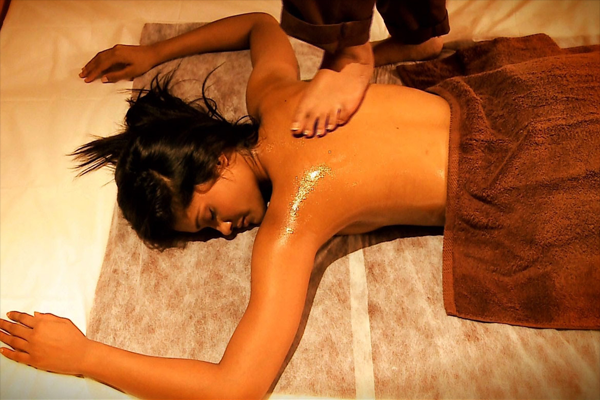
Kalari Massage is a traditional therapeutic massage system closely associated with Kalaripayattu, one of the oldest martial arts in the world. The practice developed in Kerala, where martial artists required specialized body conditioning techniques to maintain flexibility, agility, strength, and endurance. Historically, Kalari Massage was used to prepare warriors for rigorous physical training and combat. It was also employed to accelerate recovery from injuries sustained during martial practice. Over time, the therapeutic benefits of massage became widely recognized, leading to its adoption beyond martial arts settings. The foundation of Kalari Massage lies in the concept that unrestricted movement of energy, blood, and vital forces is essential for optimal physical performance and health. Practitioners focus on stimulating specific energy points known as Marmas while simultaneously working on muscles, tendons, ligaments, and joints. Unlike conventional relaxation massage, Kalari Massage often involves deep tissue manipulation and dynamic stretching techniques designed to improve functional mobility and physical resilience.
Historical Background of Kalari Massage
The roots of Kalari Massage can be traced to ancient Kerala, where Kalaripayattu warriors underwent intensive physical conditioning. Traditional martial training demanded extraordinary flexibility, coordination, speed, and muscular control. To achieve these qualities, specialized massage techniques were developed that enhanced circulation, loosened tight tissues, and optimized body mechanics. In many traditional Kalari schools, massage was considered an essential component of training. Students received regular treatments to maintain musculoskeletal health and reduce the risk of injuries. The knowledge of these techniques was passed down through generations and remains an integral part of Kerala’s traditional healthcare heritage.
Techniques Used in Kalari Massage
Kalari Massage includes a combination of manual p
ressure, rhythmic strokes, stretching maneuvers, and manipulation of energy points (marma points). One of the unique features of this therapy is the use of long, flowing strokes that follow the direction of muscle fibers. These movements help improve circulation and facilitate the movement of lymphatic fluid. The therapist may also apply deep pressure to specific muscles and connective tissues to release tension and improve flexibility. In some traditional forms, practitioners utilize their feet in addition to their hands. This technique, known as Chavutti Thirummal, allows the therapist to deliver controlled and uniform pressure across large muscle groups while maintaining balance with the support of overhead ropes. Kalari Massage frequently comprises stretching movements that enhance joint mobility and muscular elasticity. These techniques are particularly beneficial for athletes and individuals engaged in physically demanding activities.
Role of Marma Points in Kalari Massage
Marma points are vital anatomical locations where muscles, nerves, blood vessels, ligaments, bones, and joints intersect. Classical Ayurvedic literature describes 107 major Marma points throughout the body. Kalari practitioners possess extensive knowledge of these points because they are important in both martial arts and healing traditions. During massage, stimulation of selected Marma points is believed to improve the flow of Prana (vital energy), support neuromuscular coordination, and enhance overall physiological function.
The strategic activation of Marma points distinguishes Kalari Massage from many conventional forms of bodywork.
Benefits of Kalari Massage
Kalari Massage offers numerous physical and functional benefits.
Regular sessions help in
- Improving flexibility and range of motion
- Enhancing muscular endurance
- Promoting better blood circulation
- Supporting recovery after physical exertion
- Reducing muscular stiffness and fatigue
- Improving posture and body alignment
- Stimulating lymphatic drainage
- Supporting neuromuscular coordination
- Increasing joint mobility
- Enhancing overall physical performance
Because of its dynamic nature, Kalari Massage is often preferred by athletes, dancers, martial artists, and physically active individuals.
Understanding Abhyanga
Abhyanga is one of the most important and widely practiced therapies in Ayurveda. It involves the systematic application of warm medicated oils over the entire body using specific massage techniques. The term "Abhyanga" is derived from Sanskrit, where "Abhi" means "towards" and "Anga" refers to the body. Thus, Abhyanga essentially means oiling or anointing the body. Classical Ayurvedic texts describe Abhyanga as a daily health-promoting practice capable of nourishing tissues, balancing doshas, enhancing longevity, and supporting overall well-being. Unlike Kalari Massage, which developed primarily for physical conditioning, Abhyanga was designed as a holistic therapy that influences both physical and mental health.
Ayurvedic Principles Behind Abhyanga
- According to Ayurveda, Vata Dosha governs movement, nervous system activity, sensory perception, and communication throughout the body. Excessive physical activity, stress, irregular lifestyle habits, aging, and environmental factors can aggravate Vata dosha. Abhyanga is considered one of the most effective therapies for pacifying aggravated Vata Dosha. The warm herbal oils penetrate the skin and nourish deeper tissues while the rhythmic massage movements provide grounding and calming effects.
- The therapy is believed to improve circulation, support tissue nourishment, enhance sleep quality, and promote emotional stability.
Techniques Used in Abhyanga
- During Abhyanga, warm herbal oils are selected according to an individual’s constitution (Prakriti), dosha imbalance, season, and health condition. The massage typically involves synchronized, rhythmic strokes applied across the body. Long strokes are used over the limbs, while circular movements are employed around joints and specific body regions.
- Unlike Kalari Massage, the pressure used during Abhyanga is generally moderate and soothing. The emphasis is not on deep tissue manipulation but rather on promoting relaxation, improving oil absorption, and balancing physiological functions.
- The treatment is often followed by steam therapy (Swedana), which helps open bodily channels and facilitates deeper penetration of herbal oils.
Benefits of Abhyanga
Abhyanga is traditionally recommended for maintaining health and preventing disease.
Its potential benefits include
- Pacification of Vata Dosha
- Improved skin texture and complexion
- Nourishment of body tissues
- Enhanced circulation
- Better sleep quality
- Reduction of stress and anxiety
- Improved joint lubrication
- Increased sense of well-being
- Support for healthy aging
- Relaxation of the nervous system
Because of its calming effects, Abhyanga is often considered an ideal therapy for individuals experiencing stress, fatigue, nervousness, or Vata-related imbalances.
How Kalari Massage Differs from Abhyanga
Although both therapies involve herbal oils and manual manipulation of the body, they differ significantly in philosophy and execution.
Origin
Abhyanga originates directly from Ayurveda and is described in classical Ayurvedic texts. Kalari Massage evolved from the martial art tradition of Kalaripayattu and was originally developed to prepare warriors for combat and physical training.
Primary Objective
The primary purpose of Abhyanga is dosha balancing, tissue nourishment, relaxation, and preventive healthcare. Kalari Massage focuses more on improving flexibility, muscular performance, physical conditioning, and recovery from musculoskeletal strain.
Pressure and Intensity
Abhyanga generally requires gentle to moderate pressure with smooth rhythmic strokes designed to calm the nervous system. Kalari Massage often involves deeper pressure, intensive muscle work, and stretching techniques aimed at improving physical function.
Use of Marma Therapy
While Abhyanga may include stimulation of selected Marma points, Kalari Massage places a much stronger emphasis on Marma knowledge and energy point manipulation due to its roots in martial arts.
Therapeutic Focus
Abhyanga primarily addresses systemic balance and overall wellness. Kalari Massage is more focused on the musculoskeletal system, flexibility, circulation, and performance enhancement.
Suitability
Abhyanga is suitable for a broad range of individuals, including children, adults, elderly persons, and those seeking relaxation. Kalari Massage is particularly beneficial for athletes, dancers, martial artists, and individuals requiring intensive muscular conditioning.
Can Kalari Massage and Abhyanga Be Combined?
- In many traditional Kerala wellness centers, both therapies are used in complementary ways. Abhyanga may be used to calm the nervous system, balance doshas, and nourish tissues, while Kalari Massage can be utilized to improve flexibility, address muscular tightness, and enhance physical performance.
- The choice of therapy depends upon the individual’s constitution, health condition, lifestyle, and therapeutic goals. An experienced practitioner can determine which approach is most appropriate or whether a combination of both therapies may provide optimal results.
Conclusion
Kalari Massage and Abhyanga represent two remarkable healing traditions that have evolved within India’s rich cultural heritage. Although both therapies involve the application of herbal oils and manual bodywork, their origins, philosophies, and therapeutic objectives are distinctly different. Abhyanga is a classical Ayurvedic therapy focused on balancing doshas, nourishing tissues, calming the nervous system, and promoting overall well-being. Kalari Massage, on the other hand, emerged from the martial art tradition of Kalaripayattu and emphasizes flexibility, strength, circulation, musculoskeletal health, and functional performance. Both therapies offer valuable benefits when applied appropriately. Understanding their unique characteristics allows individuals to make informed decisions regarding their healthcare and wellness needs. Whether the goal is relaxation, rejuvenation, physical conditioning, or holistic wellness, these traditional therapies continue to demonstrate the enduring wisdom of India’s ancient healing systems.


Dr. Vikram Chauhan
Latest posts by Dr. Vikram Chauhan (see all)
- Top 4 Herbs for Stronger Liver as per Ayurvedic Texts - October 6, 2026
- Management of Olfactory neuroblastoma (ONB) in Ayurveda - September 28, 2026
- What is Aroma Therapy? – How is it an important part of Indian and different cultures since long? - September 18, 2026
- Cow Dung & Wood Heat vs Room Heaters – Health Benefits & Risks - September 17, 2026
- Let’s bust some myths about Infertility and Pregnancy? - September 15, 2026