


Ayurvedic Perspective and Supportive Herbal Management for Spinocerebellar Ataxia Type 12 (SCA12)
Abstract
Spinocerebellar Ataxia Type 12 (SCA12) is a rare inherited neurodegenerative disorder characterized by progressive impairment of coordination, balance, speech, and motor functions. The condition primarily affects the cerebellum and associated neural pathways, leading to tremors, gait disturbances, and difficulty performing daily activities. Although modern medicine focuses mainly on symptomatic management, Ayurveda offers a holistic approach aimed at balancing aggravated Doshas, nourishing the nervous system, and supporting overall neurological health. Ayurvedic therapies, herbal formulations, dietary modifications, and lifestyle measures may help improve quality of life and support neuromuscular function. This article discusses SCA12, its causes, symptoms, diagnosis, Ayurvedic understanding, and supportive Ayurvedic management.
Introduction
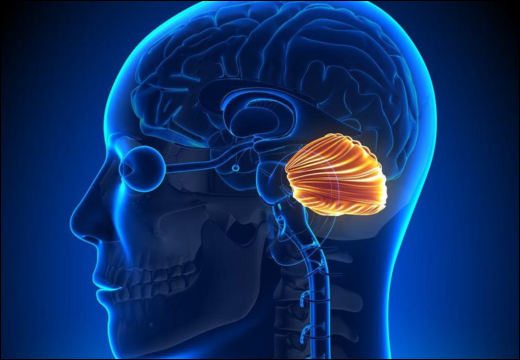
Spinocerebellar Ataxia Type 12 (SCA12) is a hereditary neurological disorder belonging to the group of spinocerebellar ataxias. It is caused by genetic mutations that result in progressive degeneration of specific areas of the brain, particularly the cerebellum, which is responsible for maintaining balance, coordination, and fine motor control. SCA12 usually develops during adulthood and progresses gradually over time. The disease commonly begins with tremors and may later involve difficulties with walking, speech, coordination, and voluntary movements. Since it is an inherited condition, a family history is often present. Although there is currently no definitive cure, early supportive management can help improve functional capacity and enhance quality of life.
Causes of Spinocerebellar Ataxia Type 12 (SCA12)
The primary cause of SCA12 is a genetic mutation involving abnormal expansion of CAG repeats in the PPP2R2B gene. This mutation is inherited in an autosomal dominant pattern, meaning a child has a 50% chance of inheriting the disorder if one parent carries the affected gene.
Factors associated with SCA12 include
- Genetic inheritance
- Family history of spinocerebellar ataxia
- Progressive degeneration of cerebellar neurons
- Impaired neurological signaling pathways
Symptoms of Spinocerebellar Ataxia Type 12 (SCA12)
Common symptoms of SCA12 include
- Tremors, especially of the hands
- Unsteady gait and balance problems
- Difficulty walking
- Poor coordination of movements
- Slurred or slow speech
- Muscle stiffness
- Difficulty performing fine motor tasks
- Involuntary movements
- Weakness and fatigue
- Cognitive changes in some individuals
- Progressive neurological impairment
Differential Diagnosis of Spinocerebellar Ataxia Type 12 (SCA12)
Several neurological disorders may present with symptoms similar to Spinocerebellar Ataxia Type 12 (SCA12), making accurate diagnosis essential.
- Parkinson’s Disease: Both conditions may present with tremors, impaired balance, difficulty walking, and slowed movements. However, Parkinson’s disease is typically associated with resting tremors, rigidity, and bradykinesia (slowness of movement).
- Essential Tremor: SCA12 often begins with hand tremors, which can resemble essential tremor. However, SCA12 is usually accompanied by progressive gait instability, impaired coordination, and cerebellar signs that are absent in essential tremor.
- Multiple System Atrophy (MSA): MSA may cause ataxia, balance problems, tremors, speech difficulties, and autonomic dysfunction. These overlapping neurological features can make differentiation challenging in the early stages.
- Other Types of Spinocerebellar Ataxia (SCA): Various forms of SCA, such as SCA1, SCA2, SCA3, and SCA6, present with progressive cerebellar degeneration, coordination problems, gait disturbances, and speech impairment similar to SCA12.
- Friedreich’s Ataxia: This hereditary neurodegenerative disorder causes progressive ataxia, poor coordination, muscle weakness, and balance disturbances, closely resembling some manifestations of SCA12.
- Wilson’s Disease: Wilson’s disease can produce tremors, movement disorders, speech abnormalities, and coordination difficulties due to abnormal copper accumulation in the brain, leading to symptoms that may mimic SCA12.
Diagnosis of Spinocerebellar Ataxia Type 12 (SCA12)
Diagnosis of SCA12 may involve
- Detailed medical and family history
- Neurological examination
- Genetic testing for PPP2R2B gene mutation
- Magnetic Resonance Imaging (MRI)
- Electromyography (EMG) when required
- Assessment of balance, coordination, and motor function
Complications of Spinocerebellar Ataxia Type 12 (SCA12)
As the disease progresses, individuals may experience:
- Increased difficulty in walking and maintaining balance
- Frequent falls and injuries
- Progressive speech impairment
- Difficulty performing daily activities
- Muscle weakness and reduced mobility
- Emotional and psychological challenges due to chronic disability
Role of Physiotherapy and Rehabilitation in Spinocerebellar Ataxia Type 12 (SCA12)
Physiotherapy and rehabilitation form an essential component of the management of Spinocerebellar Ataxia Type 12 (SCA12). Since the condition progressively affects balance, coordination, gait, speech, and motor functions, a structured rehabilitation program can help maintain independence, improve mobility, reduce the risk of falls, and enhance overall quality of life.
- Balance Training Exercises: Balance impairment is one of the most common symptoms of SCA12. Balance training exercises help improve postural stability, reduce dizziness, and minimize the risk of falls. These exercises focus on enhancing the body’s ability to maintain equilibrium during standing, walking, and changing positions.
- Gait and Mobility Training: As the disease progresses, walking may become slow, unsteady, and difficult. Gait training helps improve walking patterns, posture, step length, and overall mobility. Assistive devices such as canes, walkers, or orthotic supports may be recommended when necessary to promote safe movement and prevent injuries.
- Strengthening Exercises: Muscle weakness and reduced endurance can develop due to decreased physical activity and neurological impairment. Strengthening exercises help maintain muscle mass, improve joint stability, enhance functional capacity, and support daily activities. These exercises are usually tailored according to the patient’s physical abilities and disease progression.
- Coordination Exercises: Coordination exercises are designed to improve fine motor skills, hand-eye coordination, and limb control. Activities such as reaching, grasping, finger movements, and targeted limb exercises may help enhance motor performance and reduce movement difficulties associated with cerebellar dysfunction.
- Speech Therapy: Many individuals with SCA12 experience dysarthria (slurred or unclear speech) due to impaired muscle coordination. Speech therapy helps improve speech clarity, breathing control, voice modulation, and communication skills. In advanced cases, therapists may also recommend alternative communication strategies to facilitate effective interaction.
- Occupational Therapy: Occupational therapy focuses on improving the patient’s ability to perform daily activities independently. Therapists help individuals develop strategies to manage tasks such as dressing, eating, writing, personal hygiene, and household activities. Adaptive equipment and environmental modifications may also be suggested to enhance safety and independence.
Benefits of Rehabilitation
Regular physiotherapy and rehabilitation may help
- Improve balance and coordination
- Reduce the frequency of falls
- Maintain muscle strength and flexibility
- Enhance mobility and independence
- Improve speech and communication abilities
- Support daily functioning and quality of life
- Promote psychological well-being and confidence
Although rehabilitation cannot stop the progression of SCA12, it plays a crucial role in maximizing functional abilities and helping patients maintain an active and independent lifestyle for as long as possible.
Ayurvedic Understanding of Spinocerebellar Ataxia Type 12 (SCA12)
Spinocerebellar Ataxia Type 12 (SCA12) is not described as a specific disease entity in the classical Ayurvedic texts. However, based on its clinical manifestations such as tremors, impaired coordination, gait instability, speech disturbances, muscle weakness, and progressive neurological degeneration, it can be understood under the spectrum of Vata Vyadhi (neurological disorders caused by aggravated Vata Dosha). According to Ayurveda, Vata Dosha governs all voluntary and involuntary movements, sensory and motor functions, speech, coordination, balance, and nervous system activities. When Vata becomes aggravated due to genetic predisposition, tissue degeneration, improper diet, stress, aging, or other causative factors, it can affect the nervous system and lead to progressive neurological disorders. The pathology of SCA12 can be correlated with the vitiation of Vata Dosha, particularly involving Majja Dhatu (nervous tissue) and Majjavaha Srotas (channels responsible for the nourishment and functioning of the nervous system). Degeneration of these tissues results in impaired nerve conduction, loss of coordination, tremors, muscular weakness, and difficulties in balance and movement. Symptoms such as tremors may be associated with Kampa Vata, while impaired gait, loss of coordination, and motor dysfunction may be understood as manifestations of aggravated Vata affecting the neuromuscular system. Progressive tissue depletion can also indicate Dhatu Kshaya, especially involving Majja Dhatu and Mamsa Dhatu.
Therefore, the Ayurvedic approach focuses on
- Pacifying aggravated Vata Dosha
- Nourishing Majja Dhatu and Mamsa Dhatu
- Strengthening the nervous system
- Improving coordination and motor functions
- Promoting overall vitality and tissue nourishment
- Supporting physical and mental well-being through Rasayana (rejuvenative) therapies
Ayurvedic Principles of Management for Spinocerebellar Ataxia Type 12 (SCA12)
The Ayurvedic management of SCA12 focuses on balancing aggravated Vata Dosha, nourishing the nervous system, and supporting overall neurological function. The following therapeutic approaches may be considered:
- Vata-Pacifying Herbs (Vatashamaka Dravyas): Herbs such as Ashwagandha (Withania somnifera), Bala (Sida cordifolia), Brahmi (Bacopa monnieri), Shankhapushpi (Convolvulus pluricaulis), and Guduchi (Tinospora cordifolia) help support the nervous system, nourish neurological tissues, and maintain Vata balance.
- Rasayana Therapy (Rejuvenative Therapy): Rasayana formulations help nourish tissues, promote vitality, support neurological health, and improve overall strength and well-being.
- Panchakarma Therapies: Therapies such as Abhyanga (oil massage), Shirodhara, Basti (medicated enema), and Nasya may help balance Vata Dosha and support nervous system function.
- Medicated Oils: External application of medicated oils such as Balashwagandha Taila, Ksheerbala Taila, and Mahanarayana Taila may help nourish muscles, nerves, and joints while promoting relaxation.
- Nourishing Diet (Brimhana Ahara): Consumption of warm, freshly prepared, nutrient-rich foods including milk, ghee, almonds, walnuts, dates, and other nourishing foods helps support Majja Dhatu and overall strength.
- Lifestyle Modifications: Maintaining a regular daily routine, adequate sleep, stress management, gentle exercise, yoga, meditation, and pranayama can help support physical and mental well-being.
Herbal Remedies by Planet Ayurveda for Spinocerebellar Ataxia Type 12 (SCA12)
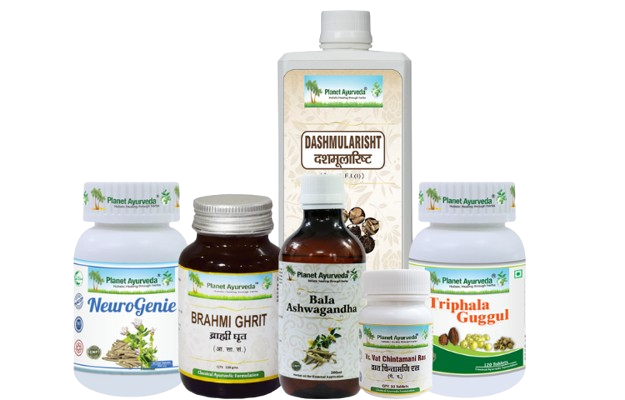

Planet Ayurveda is a renowned Ayurvedic healthcare company dedicated to promoting natural wellness through authentic herbal formulations based on the principles of classical Ayurveda. The company manufactures its products using high-quality herbs and natural ingredients without the use of artificial colors, preservatives, chemicals, or additives. Planet Ayurveda aims to support overall health by addressing the root cause of diseases and promoting balance among the body’s natural systems. Its formulations are prepared under the supervision of experienced Ayurvedic experts and are widely used to support various chronic and degenerative health conditions. In neurological disorders such as Spinocerebellar Ataxia Type 12 (SCA12), Ayurvedic management focuses on balancing aggravated Vata Dosha, nourishing Majja Dhatu (nervous tissue), supporting neuromuscular function, and improving overall quality of life. Planet Ayurveda offers a combination of classical and proprietary Ayurvedic formulations that may help support nervous system health, muscle strength, coordination, mobility, and overall well-being. Let us discuss the Ayurvedic formulations recommended by Planet Ayurveda for supportive management of Spinocerebellar Ataxia Type 12 (SCA12).
- Vrihat Vatchintamani Ras
- Neurogenie Capsules
- Dashmularisht
- Brahmi Ghrit
- Balashwagandha Oil
- Triphala Guggul
Product Description
1. Vrihat Vatchintamani Ras
Vrihat Vatchintamani Ras is a classical Ayurvedic formulation traditionally used to support the nervous system and manage disorders associated with aggravated Vata Dosha. In conditions such as Spinocerebellar Ataxia Type 12 (SCA12), it may help support neurological function, muscle coordination, balance, and overall vitality. This formulation contains Swarna Bhasma (Calx of Gold), Rajata Bhasma (Calx of Silver), Abhraka Bhasma (Purified and Calcined Mica Ash), Loha Bhasma (Calx of Iron), and Pravala Bhasma (Calx of Coral Calcium). These ingredients are traditionally valued for their Rasayana (rejuvenative) and Balya (strength-promoting) properties. Vrihat Vatchintamani Ras helps nourish Majja Dhatu (nervous tissue), supports mental clarity, and promotes overall neurological health and well-being.
Dosage: 1 tablet once or twice daily with plain water after meals.
2. Neurogenie Capsules
Neurogenie Capsules by Planet Ayurveda are formulated with two renowned Ayurvedic herbs, Brahmi (Bacopa monnieri) and Ashwagandha (Withania somnifera), which are traditionally used to support brain and nervous system health. In conditions such as Spinocerebellar Ataxia Type 12 (SCA12), these herbs may help support cognitive function, nerve nourishment, mental clarity, and overall neurological wellness. Brahmi is valued for its Medhya (brain-supportive) properties and helps maintain memory, concentration, and mental performance, while Ashwagandha is known for its Balya (strength-promoting) and Rasayana (rejuvenative) actions. Together, these herbs help support healthy nerve function, improve resilience to stress, and promote overall neuromuscular and neurological health.
Dosage: 1-2 capsules twice daily with plain water after meals.
3. Dashmularisht
Dashmularishta is a classical Ayurvedic fermented formulation prepared from Dashamoola (the group of ten roots comprising Bilva (Aegle marmelos), Agnimantha (Clerodendrum phlomidis), Shyonaka (Oroxylum indicum), Patala (Stereospermum suaveolens), Gambhari (Gmelina arborea), Brihati (Solanum indicum), Kantakari (Solanum xanthocarpum), Shalaparni (Desmodium gangeticum), Prishnaparni (Uraria picta), and Gokshura (Tribulus terrestris) and various other herbs. These herbs are traditionally known for their Vata-balancing and rejuvenating properties. In conditions such as Spinocerebellar Ataxia Type 12 (SCA12), Dashmularishta may help support nervous system health, muscle strength, mobility, and overall vitality. It is traditionally used to nourish body tissues, promote healthy neuromuscular function, reduce weakness, and support physical endurance. Its Balya (strength-promoting) and Rasayana (rejuvenative) properties make it a valuable formulation for maintaining overall neurological and musculoskeletal wellness.
Dosage: 2 tsp twice daily with plain water after meals.
3. Brahmi Ghrit
Brahmi Ghrita is a classical Ayurvedic medicated ghee traditionally used to support brain and nervous system health. It contains Brahmi (Bacopa monnieri), Vacha (Acorus calamus), Kutha (Saussurea lappa), and Shankhpushpi (Convolvulus pluricaulis), which are renowned Ayurvedic herbs known for their Medhya (cognitive-enhancing) properties. In conditions such as Spinocerebellar Ataxia Type 12 (SCA12), Brahmi Ghrita may help nourish Majja Dhatu (nervous tissue), support memory, concentration, and mental clarity, and promote healthy neurological function. The ghee base enhances the absorption of herbal constituents and helps deliver their benefits to the nervous system. It is traditionally used to support cognitive wellness, neuromuscular coordination, and overall neurological health.
Dosage: 2 tsp twice daily with plain water after meals.
4. Balashwagandha Oil
Balashwagandha Oil is a traditional Ayurvedic medicated oil prepared with herbs such as Bala (Sida cordifolia) and Ashwagandha (Withania somnifera) and various other herbs which are well known for their strengthening and nourishing properties. In conditions such as Spinocerebellar Ataxia Type 12 (SCA12), this oil is commonly used for external application and therapeutic massage to help balance aggravated Vata Dosha and support neuromuscular health. Regular massage with Balashwagandha Oil may help nourish muscles and nerves, improve circulation, reduce stiffness, support mobility, and promote relaxation. Its Balya (strength-promoting) and Vatahara (Vata-pacifying) properties make it beneficial for maintaining muscle tone, flexibility, and overall physical well-being in individuals with neurological disorders.
Method of Application
Gently massage the affected areas or the entire body with lukewarm Balashwagandha Oil once or twice daily, preferably before bathing.
5. Triphala Guggul
Triphala Guggulu is a classical Ayurvedic formulation that combines Haritaki (Terminalia chebula), Bibhitaki (Terminalia bellirica), Amalaki (Emblica officinalis), and Shuddh Guggulu (Commiphora mukul). In conditions such as Spinocerebellar Ataxia Type 12 (SCA12), it may help support healthy metabolism, tissue nourishment, and overall systemic balance. Triphala is traditionally valued for its Rasayana (rejuvenative) properties, while Guggulu is known for supporting healthy circulation and tissue health. This formulation helps maintain proper functioning of body channels (Srotas), supports detoxification, and promotes overall musculoskeletal and neurological well-being. Its nourishing and rejuvenating properties make it a useful supportive formulation in long-term neurological care.
Dosage: 2 tablets twice daily with plain water after meals.
CONCLUSION
Spinocerebellar Ataxia Type 12 (SCA12) is a rare inherited neurodegenerative disorder that progressively affects coordination, balance, speech, and motor functions, significantly impacting an individual’s quality of life. Although there is currently no definitive cure, early diagnosis, regular rehabilitation, physiotherapy, and supportive care can help manage symptoms and maintain functional independence. From an Ayurvedic perspective, SCA12 can be understood as a Vata-predominant neurological disorder involving Majja Dhatu and Majjavaha Srotas. Ayurvedic management focuses on balancing Vata Dosha, nourishing the nervous system, strengthening muscles, and promoting overall well-being through herbal formulations, Rasayana therapy, Panchakarma procedures, medicated oils, and appropriate lifestyle measures. With a holistic approach and consistent care, individuals with SCA12 may receive valuable support for neurological health, mobility, vitality, and improved quality of life.


Dr. Vikram Chauhan
Latest posts by Dr. Vikram Chauhan (see all)
- Hemangiomas(benign vascular tumors) , Causes, Symptoms, Key Facts & Treatment - October 16, 2026
- Top 6 Herbs for stronger bones as per Ayurvedic Texts - October 12, 2026
- Top 4 Herbs for Stronger Liver as per Ayurvedic Texts - October 6, 2026
- Management of Olfactory neuroblastoma (ONB) in Ayurveda - September 28, 2026
- What is Aroma Therapy? – How is it an important part of Indian and different cultures since long? - September 18, 2026