


What is Aroma Therapy? – How is it an important part of Indian and different cultures since long?
Abstract
Aromatherapy is a natural healing practice that uses the fragrance of essential oils extracted from flowers, leaves, roots, bark, seeds, and other plant parts to support physical and emotional well-being. For centuries, pleasant aromas have been valued in many cultures, including India, Egypt, China, Greece, and the Middle East, for their role in health, spirituality, and daily life. In the Indian tradition, aromatic herbs, medicinal plants, and natural resins have been widely used in Ayurveda, religious rituals, meditation, and wellness practices. The soothing effects of natural fragrances have made aromatherapy an important part of holistic care across generations.
Interesting Facts about Aroma Therapy
- The word aromatherapy was introduced in 1937 by French chemist René–Maurice Gattefossé. He became interested in the healing properties of essential oils after applying lavender oil to a burn on his hand, which reportedly helped the wound recover.
- The use of fragrant plants and oils dates back more than 5,000 years. Ancient Egyptians used aromatic oils in religious ceremonies, beauty care, and the preservation of bodies during mummification.
- In parts of Europe during the Middle Ages, several traditional healing methods, including the use of aromatic plants, were discouraged or restricted. As a result, many practitioners continued these practices privately.
- During World War II, French physician Jean Valnet used essential oils for their antiseptic properties to help care for wounded soldiers when conventional medicines were limited.
- The fragrance of essential oils can reach the brain within seconds after inhalation.
- Lavender essential oil has been extensively studied for its calming properties. It is commonly used to promote relaxation, ease mild anxiety, and support healthy sleep.
- A large amount of plant material is needed to make essential oils. For example, around 250 pounds of fresh lavender flowers are required to produce only one pound of pure lavender essential oil.
Introduction
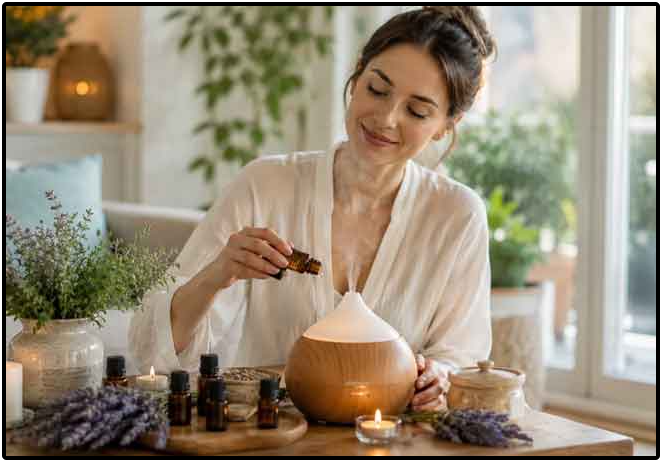
Aromatherapy is a holistic wellness practice that involves the use of natural essential oils obtained from aromatic plants to promote physical, mental and emotional health. These aromatic oils are valued for their soothing scent and their ability to promote physical, mental, and emotional well-being. The fragrances are commonly inhaled, used during massage, added to baths, or diffused into the air to create a relaxing and refreshing environment. Today, aromatherapy is widely used in homes, wellness centers, spas, and healthcare settings as a complementary approach to support overall health.The use of aromatic plants is not a new concept. People from different civilizations have relied on natural fragrances for thousands of years. Ancient Egyptians used aromatic oils in religious ceremonies, cosmetics, and body preservation. Traditional Chinese medicine included fragrant herbs as part of healing practices, while the Greeks and Romans used aromatic plants for bathing, massage, and maintaining good health. These traditions highlight the long-standing importance of natural plant aromas in human life.In India, the use of aromatic herbs, flowers, resins, and natural oils has been deeply connected with Ayurveda, yoga, meditation, and spiritual rituals since ancient times. Fragrant substances such as sandalwood, tulsi, jasmine, rose, camphor, and agarwood have been used not only for worship but also to create a calm mind and a balanced environment. Over the years, these practices have continued to evolve while preserving their traditional roots. Today, aromatherapy combines this ancient knowledge with modern scientific understanding, making it a valuable part of holistic health and wellness across the world.
The Benefits of Aroma Therapy
Aromatherapy may help support overall health and well-being by promoting relaxation and providing relief from certain mild symptoms. The benefits include:
- Promotes relaxation and reduces stress – Pleasant natural fragrances help create a calm and peaceful environment. Inhaling certain essential oils may help reduce feelings of stress, nervousness, and mental fatigue, allowing the mind and body to relax.
- Supports better sleep – Aromatherapy is commonly used to promote restful sleep. Calming essential oils may help prepare the body for sleep, improve sleep quality, and reduce occasional sleeplessness caused by stress or anxiety.
1. Improves mood
Natural aromas can have a positive effect on emotions. They may help uplift mood, reduce irritability, and create a feeling of comfort, freshness, and emotional balance.
2. Enhances mental focus
Certain essential oils are believed to improve alertness and concentration. Their refreshing fragrance may help reduce mental tiredness and support better focus during work, study, or daily activities.
3. Helps relieve mild headache
Some essential oils are traditionally used to ease mild headaches and tension. Their cooling or relaxing properties may help reduce discomfort when used appropriately.
4. Supports respiratory comfort
Essential oils with refreshing aromas may help create a feeling of easier breathing during mild nasal congestion. Steam inhalation or diffusion is commonly used for this purpose.
4. Promotes healthy skin
Many essential oils are added to skincare products because they help cleanse, soothe, and refresh the skin. When properly diluted, they may support healthy-looking skin and improve overall skin care.
5. Relaxes the muscles
Essential oils are often used during massage therapy. They may help relax tired muscles, reduce stiffness, and provide a soothing feeling after physical activity.
6. Creates a fresh and pleasant environment
Diffusing essential oils can naturally freshen indoor spaces and reduce unpleasant odors. A pleasant atmosphere may also improve comfort and relaxation at home or in the workplace.
7. Supports overall well-being
Regular use of aromatherapy as part of a healthy lifestyle may contribute to physical comfort, emotional balance, and mental relaxation. Although it is not a substitute for medical treatment, it can serve as a helpful complementary wellness practice.
Understanding the Science behind Aromatherapy
Aromatherapy mainly works through the sense of smell. When the fragrance of an essential oil is inhaled, tiny aromatic molecules enter the nose and stimulate the olfactory receptors. These receptors send signals to the brain, especially to areas that are involved in emotions, memory and the nervous system. The aroma can influence the limbic system, a part of the brain that includes the amygdala and hippocampus. These regions help regulate emotions, memories and certain automatic body functions. As a result, pleasant fragrances may promote a feeling of relaxation and emotional well-being. The brain may also respond by influencing the release of naturally occurring chemicals such as serotonin, dopamine and endorphins. These chemicals are associated with positive mood, relaxation and a sense of comfort. Because of these effects, aromatherapy may help reduce feelings of stress, support emotional balance, improve relaxation, encourage better sleep and promote an overall sense of well-being. However, aromatherapy should be considered a supportive wellness practice and not a replacement for medical treatment.
Ayurvedic approach to Aromatherapy
According to Ayurveda, every individual has a unique combination of the three doshas—Vata, Pitta, and Kapha. When these doshas become imbalanced, physical and emotional discomfort may arise. Aromatherapy can be used as a supportive practice by selecting essential oils that match the qualities of each dosha.
Aromatherapy for Vata Dosha- Vata is associated with the elements of air and space. When Vata becomes aggravated, a person may experience restlessness, anxiety, dry skin, difficulty sleeping, or mental fatigue. Warm, sweet, and grounding essential oils are generally preferred to calm Vata.
Commonly recommended oils include:
- Sweet Orange
- Ylang Ylang
- Frankincense
- Geranium
- Jasmine
These oils may be used in a diffuser, added to a warm bath after proper dilution, or blended with a carrier oil for a gentle body massage. Their soothing aroma may help promote relaxation, emotional stability, and restful sleep.
Aromatherapy for Pitta Dosha
Pitta is governed by the fire and water elements. An aggravated Pitta may lead to irritability, excessive heat, anger, or mental overactivity. Cooling and calming essential oils are considered beneficial for restoring balance.
Commonly recommended oils include:
- Sandalwood
- Rose
- Vetiver
- Fennel
- Jasmine
- Ylang Ylang
These oils can be diffused in living spaces or mixed with a carrier oil for massage. Their cooling fragrance may help create a peaceful atmosphere and encourage emotional calmness while maintaining mental clarity.
Aromatherapy for Kapha Dosha
Kapha is associated with the earth and water elements. When Kapha is increased, it may result in sluggishness, lack of motivation, heaviness, or excessive sleep. Warm, stimulating, and refreshing essential oils are generally chosen to energize the body and mind.
Commonly recommended oils include:
- Rosemary
- Eucalyptus
- Peppermint
- Basil
- Frankincense
These oils are commonly used in diffusers, steam inhalation, or diluted massage oils. Their refreshing aroma may help improve alertness, promote a feeling of freshness, and support mental and physical activity.
Aromatherapy in Indian and Other Ancient Cultures
The use of aromatic plants and oils has been a part of human life for thousands of years. Ancient civilizations such as India, Egypt, China, and Greece valued natural scents for religious ceremonies, personal care, healing practices, and creating a peaceful environment. Fragrant herbs, flowers, and resins were believed to support physical health, calm the mind, and improve emotional balance.
The Traditions in Indian culture
Ancient Heritage
The use of fragrant plants has been mentioned in ancient Indian scriptures and traditional practices for many centuries.
- Role in Ayurveda: Ayurveda considers aromatic herbs and essential oils helpful in maintaining the balance of the three doshas—Vata, Pitta, and Kapha—thereby supporting overall health.
- Religious and Cultural Practices: Incense, sandalwood, camphor, and other natural fragrances have long been used in temples, homes, meditation, and spiritual rituals to create a pure and peaceful atmosphere.
- Massage and Skin Care: Traditional Ayurvedic practitioners prepared herbal oils using aromatic plants for body massage, skin nourishment, relaxation, and general wellness.
The Traditions in Middle East and Ancient Egypt
- Religious Ceremonies: Fragrant resins and aromatic plants were burned during religious rituals as offerings and to create a sacred atmosphere.
- Preservation of the Dead: Natural substances such as myrrh and cedarwood were commonly used during the embalming process to help preserve bodies.
- Beauty and Personal Care: Aromatic oils and perfumes were widely used for skin care, grooming, and maintaining personal hygiene. They also reflected wealth and social importance in many ancient societies.
The Traditions in East Asia and Ancient China
- Traditional Healing: Aromatic herbs and plants were an important part of traditional Chinese medicine and were used to support health and manage various health conditions.
- Creating a Peaceful Environment: Fragrant woods, herbs, and incense were commonly burned during meditation, religious practices, and daily life to promote harmony and mental calmness.
- Supportive Therapy: Natural aromas were sometimes used alongside traditional healing methods, including acupuncture, to encourage relaxation and enhance the overall healing experience.
The Traditions in Rome and Ancient Greece
- Bathing Traditions: The Romans commonly used scented oils during bathing to cleanse the body, nourish the skin, and promote relaxation.
- Care for Athletes: Greek athletes applied olive oil mixed with aromatic plant extracts to the body before physical activities to help prepare the muscles and protect the skin.
- Use in Traditional Medicine: Greek physicians studied the medicinal properties of aromatic plants and documented their uses for supporting health and treating various physical discomforts.
Methods of Administration in Aromatherapy
Aromatherapy can be practiced in several simple and effective ways. Each method allows the aromatic compounds to interact with the body through inhalation and skin application. Proper dilution and safe use are important to obtain the desired benefits and reduce the risk of skin irritation. Some of the most commonly used techniques are as follows:- Inhalation – It is one of the easiest methods of using essential oils. A few drops of essential oil may be added to hot water and the steam is gently inhaled with closed eyes. Essential oils can also be used in an aroma diffuser, which releases the fragrance into the surrounding air and creates a calm and refreshing atmosphere.
- Massage – Essential oils are commonly used during massage after being diluted with a suitable carrier oil, such as coconut oil, sweet almond oil or the jojoba oil. Gentle massage helps the oils spread over the skin while their aroma is inhaled, promoting relaxation and supporting overall well-being.
- Bath – A few drops of essential oil can be mixed with a carrier oil or bath dispersant before adding them to warm bath water. This method allows the body to absorb the soothing effects of the aroma while helping to relax the muscles and calm the mind. Essential oils should never be added directly to bath water without proper dilution as they may irritate the skin.
- Topical application – Essential oils can be applied directly to specific areas of the body after proper dilution with a carrier oil. They are commonly used on the temples, neck, wrists, feet, shoulders or other areas during massage or self-care.
- Compress therapy – A warm or cold compress can be prepared by adding a few drops of diluted essential oil to water. A clean cloth is soaked in the mixture and applied to the desired area. This method is traditionally used to provide comfort for tired muscles, joint stiffness or minor physical discomfort.
- Room diffusion – Essential oils may be dispersed into the air using electric diffusers, reed diffusers or aroma lamps. This method fills the surrounding space with natural fragrance creating a pleasant atmosphere that may help reduce stress, improve concentration and support relaxation.
- Personal care products – Many people incorporate aromatherapy into their daily routine through products such as shampoos, soaps, creams, lotions, candles, perfumes and bath salts that contain natural essential oils. These products provide gentle exposure to pleasant aromas while supporting personal hygiene and self-care.
Conclusion
Aromatherapy is a natural wellness practice that uses the fragrance of essential oils to support physical, mental and emotional well-being. Its roots can be traced back thousands of years, making it an important part of many ancient cultures. In India, aromatherapy has long been associated with Ayurveda, meditation, religious rituals and traditional healing practices. Over time, these age-old traditions have been combined with modern research, increasing the popularity of aromatherapy across the world. Although it is not a replacement for medical treatment, aromatherapy can serve as a valuable complementary approach to promote relaxation, emotional balance and overall wellness. Its continued use across cultures reflects the lasting importance of natural plant fragrances in supporting a healthy and balanced lifestyle.


Dr. Vikram Chauhan
Latest posts by Dr. Vikram Chauhan (see all)
- What is Aroma Therapy? – How is it an important part of Indian and different cultures since long? - September 18, 2026
- Cow Dung & Wood Heat vs Room Heaters – Health Benefits & Risks - September 17, 2026
- Let’s bust some myths about Infertility and Pregnancy? - September 15, 2026
- Zero Volt Therapy – Benefits, Uses & Holistic Wellness Approach - September 10, 2026
- Integrative Oncology – Dendritic Cell Therapy and Ayurveda - September 10, 2026