


Integrative Oncology – Dendritic Cell Therapy and Ayurveda
Abstract
Health and vitality are sustained by an intricate balance between cellular intelligence and the body’s natural defense mechanisms. The human immune system is a sophisticated network designed to identify, target, and eliminate abnormal cellular growths before they threaten systemic harmony. However, cancer possesses unique mechanisms that allow it to evade this immune surveillance, masquerading as normal tissue while proliferating unchecked. Among the frontiers of modern cellular medicine, Dendritic Cell Therapy (DCT) stands out as a personalized form of immunotherapy that retrains the patient’s own immune cells to recognize and destroy these hidden malignant cells. While conventional science focuses on this targeted cellular re-education, Ayurveda approaches oncology by revitalizing the biological fire (Agni), clearing toxic accumulation (Ama), balancing the three vital energies (Doshas), and fortifying the core life essence (Ojas). In this article, we shall explore the mechanisms of dendritic cell therapy, its integration with Ayurvedic wisdom, diagnostic markers, and holistic management protocols.
Introduction
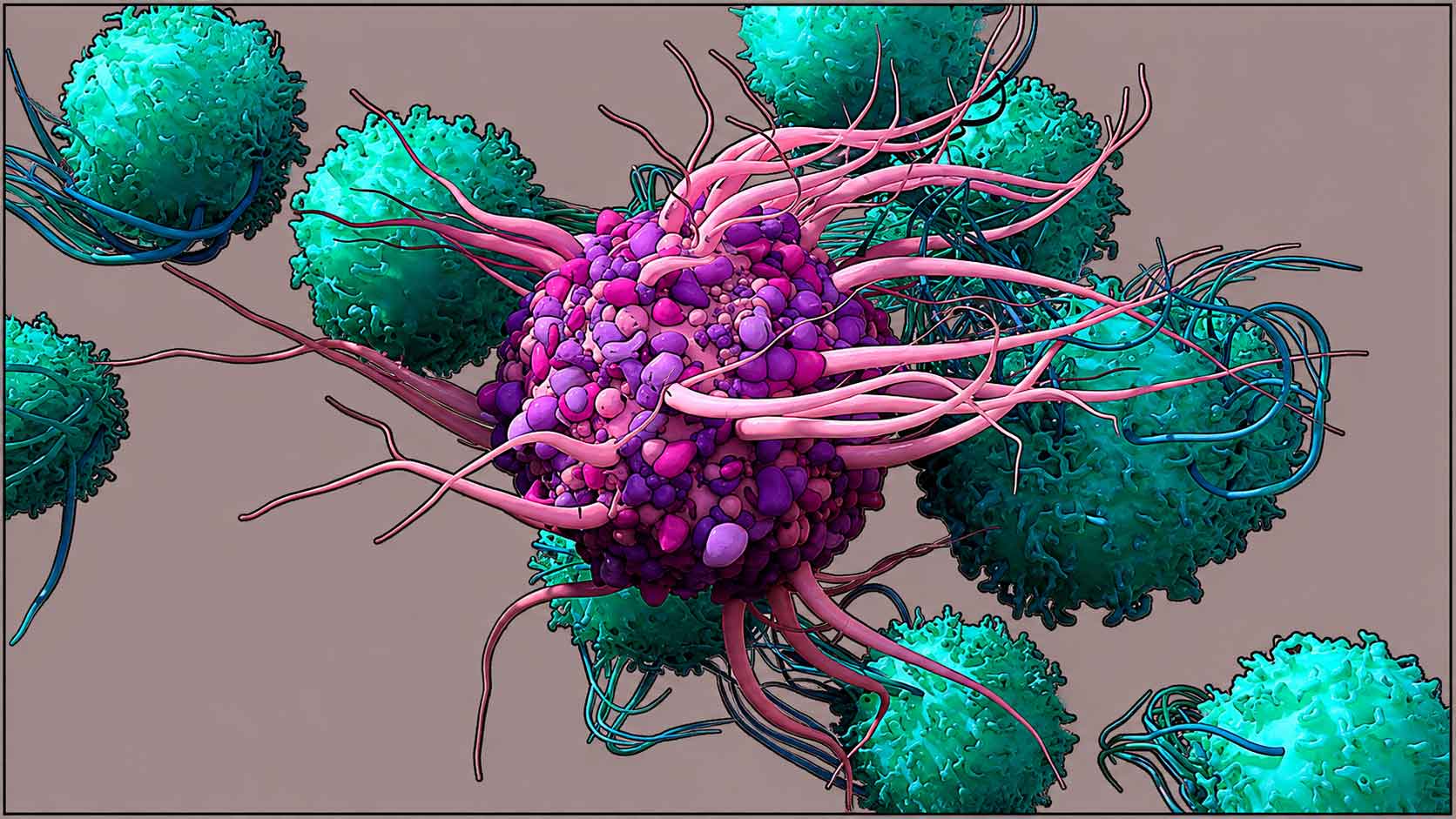
Cancer is a complex, multi-systemic disorder characterized by the unregulated proliferation of abnormal cells that invade surrounding tissues and disrupt vital bodily functions. In standard oncology, treatment historically relied on destroying tumor masses externally via surgery, chemotherapy, or radiation. Dendritic Cell Therapy represents a paradigm shift toward autologous cellular immunotherapy. Dendritic cells are specialized antigen-presenting cells that act as the primary “intelligence officers” of the immune system. In a clinical setting, these cells are harvested from the patient’s blood, matured and exposed to specific tumor antigens in a laboratory, and re-infused into the body. Once inside, they present these targets to cytotoxic T-lymphocytes, effectively launching a highly specific, systemic immune response against the cancer. When combined with Ayurveda’s deeply nourishing and detoxifying strategies, this integrative approach aims not only to clear abnormal growths but also to restore the internal soil of the body, making it less hospitable to disease recurrence.
Causes
Oncological conditions develop due to a combination of genetic mutations, environmental triggers, and systemic metabolic failures that allow abnormal cellular survival. From an integrative standpoint, these factors cause both DNA damage and a total breakdown of internal homeostasis.Common causes and contributing factors include:
- Genetic Mutations: Acquired or inherited alterations in proto-oncogenes and tumor suppressor genes.
- Carcinogenic Exposure: Prolonged contact with environmental toxins, heavy metals, industrial chemicals, and radiation.
- Chronic Inflammation: Persistent systemic inflammation that alters tissue microenvironments and damages cellular structures.
- Dietary and Lifestyle Disruption: High intake of processed foods, chemical preservatives, lack of physical activity, and chronic circadian rhythm disruption.
- Immune Evasion: Tumors secreting immunosuppressive factors (like TGF-beta) that blind standard immune cells.
- Metabolic and Tissue Sluggishness: In Ayurvedic terms, a deep impairment of Dhatvagni (tissue-level metabolic fire), leading to the accumulation of Ama (undigested toxic cellular waste).
Risk factors include
- Advanced age and prolonged oxidative stress
- Chronic psychological stress depleting Ojas (vital immunity)
- History of viral infections linked to oncogenesis (e.g., HPV, EBV, Hepatitis B/C)
- Tobacco use and excessive alcohol consumption
- Compromised immune status or history of autoimmune conditions
Signs and Symptoms
Because cancer can manifest in various organ systems, its early warning signs are highly variable and frequently subtle. However, certain systemic and localized clinical features consistently point toward underlying cellular instability.Common clinical signs and systemic changes include
- Unexplained Weight Loss (Cachexia): Rapid, unintended loss of body mass due to altered tumor metabolism.
- Persistent Fatigue: Deep, unyielding exhaustion that does not improve with rest, often linked to systemic inflammation or anemia.
- Palpable Masses or Lumps: Hard, fixed, or painless swellings in tissues such as the breasts, lymph nodes, or soft tissues.
- Changes in Bowel or Bladder Habits: Persistent alterations in elimination patterns, blood in stool, or hematuria.
- Non-Healing Ulcers: Persistent sores on the skin or mucous membranes that resist conventional healing interventions.
- Unexplained Pain or Night Sweats: Chronic localized pain or drenching night sweats as the immune system struggles against abnormal tissue growth.
Investigations
A comprehensive diagnostic work-up is essential to properly identify the cellular type, location, staging, and genetic profile of the condition before beginning targeted therapies like Dendritic Cell Therapy.
The diagnostic work-up generally includes:
1. Clinical and Histopathological Assessment
Biopsy: The definitive extraction of tissue for histopathological evaluation to confirm malignancy and determine grading.
2. Immunohistochemistry (IHC)
Specialized staining to identify specific cell surface receptors, helping determine if the tumor is an ideal candidate for antigen-loading in DCT.
Advanced Imaging Pathways
- PET-CT Scan: Positron Emission Tomography combined with CT to map out areas of high metabolic activity, tracking tumor spread and treatment response.
- MRI and Ultrasound: High-resolution soft-tissue imaging to evaluate the exact spatial borders of localized masses.
Laboratory and Biomarker Evaluations - Tumor Markers: Blood tests evaluating specific proteins (such as CEA, CA-125, PSA, or AFP) to monitor disease burden.
- Liquid Biopsy and Genomic Profiling: Analyzing circulating tumor DNA (ctDNA) to map specific genetic mutations and targetable pathways.
Classification and Staging
Oncological conditions are carefully categorized to plan aggressive conventional and supportive care:- TNM Staging System: Evaluates the size and extent of the primary Tumor, involvement of regional lymph Nodes, and the presence of distant Metastasis (Stages I through IV).
- Histological Grading: Measures how closely the cancer cells resemble normal cells (Grade 1 being well-differentiated, Grade 4 being undifferentiated and aggressive).
Management
The therapeutic framework for managing cancer involves multi-modal strategies tailored to the patient’s staging and molecular profile.
Surgical Resection: Direct physical removal of localized tumor masses and margins.
Chemotherapy and Radiotherapy: Utilizing systemic cytotoxic agents or high-energy radiation beams to shrink tumors, though often introducing significant systemic toxicity.
Dendritic Cell Therapy (DCT): An advanced cellular immunotherapy process. White blood cells are harvested via leukapheresis, differentiated into mature dendritic cells, trained outside the body using specific tumor lysates, and re-infused. This provides a highly specific, long-lasting immunological “memory” against the cancer.
Dendritic Cell Therapy (DCT) represents a groundbreaking frontier in personalized cancer immunotherapy, working as a bridge between advanced cellular biology and the body’s natural defenses. Often described as the “intelligence officers” or “master conductors” of the immune system, dendritic cells are specialized antigen-presenting cells responsible for identifying foreign or mutated threats and teaching the rest of the immune network to attack them. In a clinical setting, these cells are safely harvested from a patient’s own blood via leukapheresis, cultivated in a specialized laboratory, and engineered or “trained” by exposing them to specific markers (antigens) derived from the patient’s own tumor. Once re-infused into the body, these highly primed dendritic cells migrate to the lymph nodes, where they successfully train and activate cytotoxic T-lymphocytes (killer T-cells) to seek out, track down, and systematically destroy hidden cancer cells throughout the body. Because it utilizes the patient’s own autologous cellular machinery, Dendritic Cell Therapy (DCT) provides a highly targeted, non-toxic therapeutic approach that minimizes damage to healthy tissues while fostering long-lasting immunological memory against disease recurrence.
Essential supportive strategies include
- Immune System Priming: Optimizing baseline white blood cell counts before harvesting cells for therapy.
- Nutritional Restoration: High-calorie, nutrient-dense anti-inflammatory dietary plans to combat cellular wasting.
- Integrative Toxic Reduction: Utilizing holistic protocols to protect healthy organs (liver, kidneys, bone marrow) from treatment side effects.
Ayurvedic View and Management
In classical Ayurvedic oncology, malignant changes are generally understood through the concepts of Granthi (benign tumors or nodules) and Arbuda (malignant tumors or major growths). Unlike localized diseases, Arbuda involves a profound, complex vitiation of all three biological energies (Sannipataja), alongside significant disruption of Rakta (blood) and Mamsa (muscle) Dhatus (tissues).
The foundational driver of this condition is the failure of Dhatvagni—the specialized metabolic intelligence present within every tissue layer. When this fire burns dimly, the body cannot properly metabolize nutrients, leading to a build-up of Ama (toxic, undigested metabolic debris). This cellular sludge blocks the channels of microcirculation (Srotas), suffocating the surrounding tissues. Over time, this chronic stagnation causes a rebellious, localized proliferation governed by highly aggravated Vata (uncontrolled cell division) and Pitta (inflammatory tissue destruction).
Ayurvedic management does not seek to physically replace advanced interventions like Dendritic Cell Therapy or necessary surgeries. Instead, it serves as a profound foundational therapy. By purifying the Srotas, neutralizing Ama, and fortifying Ojas (the ultimate essence of cellular immunity), Ayurvedic herbs enhance the body’s receptivity to cellular therapies while mitigating the debilitating side effects of conventional cytotoxic treatments.
General Ayurvedic strategies include
- Restoring Agni (digestive fire) to eliminate cellular toxic waste (Ama).
- Using Lekhana (scraping/anti-proliferative) herbs to clear channel blockages.
- Administering Rasayana (rejuvenative) formulations to build healthy blood, support bone marrow function, and boost natural killer cell activity.
- Protecting hepatic and renal pathways to ensure efficient elimination of cellular debris.
Home Remedy
Anti-Inflammatory Turmeric & Ginger Ocular and Systemic Tonic
This gentle, daily warm beverage relies on highly bioavailable kitchen herbs prized for their profound Deepana (digestive-kindling), Pachana (toxin-digesting), and Rasayana (rejuvenating) attributes. It supports cellular detoxification and balances systemic Pitta.
Ingredients
- Fresh, organic Turmeric root (grated) or pure organic Turmeric powder – ½ teaspoon
- Fresh Ginger root (grated) – ¼ teaspoon
- Whole Black Peppercorns (crushed) – 2 to 3 pieces
- Pure drinking water – 1½ cups
- Raw, organic Honey – 1 teaspoon (added only after cooling)
Method of Preparation
- Bring the water to a gentle boil in a clean stainless steel saucepan.
- Add the grated turmeric, ginger, and crushed black peppercorns to the boiling water.
- Reduce the heat and let the mixture simmer gently for 5 to 7 minutes until the liquid reduces slightly and absorbs the golden color and volatile oils of the herbs.
- Strain the herbal tea into a ceramic cup and allow it to cool down until it is comfortably lukewarm.
- Stir in the raw honey completely before serving.
Why is this Remedy Used?
Turmeric contains curcumin, an intensely studied compound known in Ayurveda for its Vishahara (anti-toxic) and Krimighna (anti-pathogenic) properties. Modern research confirms its ability to regulate inflammatory pathways (like NF-kB) and support antioxidant defenses. Ginger acts as a potent catalyst, clearing structural channels and warming the metabolic fire. Black pepper contains piperine, an essential alkaloid that drastically enhances the intestinal absorption and systemic bioavailability of curcumin, ensuring the active principles reach deep cellular structures.
How to Use
Oral Administration: Sip this warm infusion once daily in the early morning on an empty stomach to enhance systemic vitality and clear metabolic toxins (ama).
Note: Avoid adding honey to boiling hot liquid, as Ayurveda considers heated honey to produce altered metabolic toxins (Ama). Ensure this herbal tea is strictly lukewarm before stirring it in.
Herbal Remedies by Planet Ayurveda for Cellular & Immune Support
Planet Ayurveda is an internationally recognized provider of natural healthcare solutions, dedicated to manufacturing authentic formulations based on classical Ayurvedic principles. Using premium, standardized herbal extracts harvested from pure, pollution-free natural habitats, the company produces highly effective remedies inside advanced, GMP-certified manufacturing environments. Every single formulation is strictly tested to guarantee it is entirely free from synthetic chemicals, heavy metals, fillers, artificial preservatives, or binders. By combining ancient textbook knowledge with strict modern quality control standards, Planet Ayurveda offers exceptionally pure, highly bioavailable remedies to support systemic strength and enhance tissue resilience safely during complex health journeys.
Product List
Following are the herbal remedies for cellular and immune support
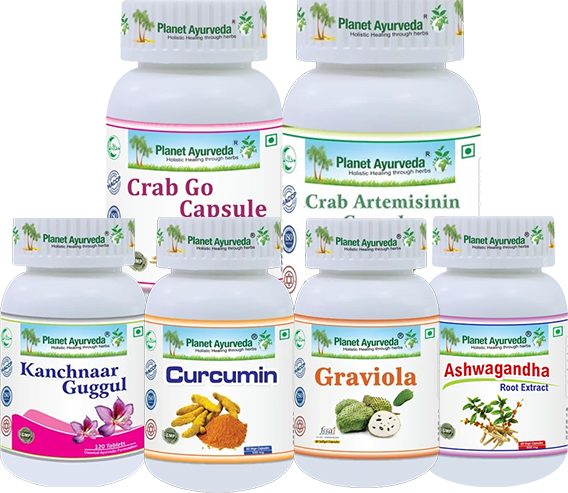
- Curcumin Capsules
- Kanchnaar Guggul
- Capsule Graviola
- Capsule Ashwagandha
- Capsule Arlu
- Capsule Artemisinin

Product Details
1. Curcumin Capsules
Curcumin Capsules contain a highly concentrated, standardized extract of the active curcuminoids derived from Turmeric (Curcuma longa). Valued in integrative oncology for its potent anti-inflammatory and cellular protective actions, it works deeply on Rakta (blood) and Mamsa (muscle) tissues. It helps clear systemic cellular toxicity, inhibits the pathway of abnormal blood vessel growth within tissue masses, and neutralizes excessive free radicals, providing an ideal microenvironment for healthy immune cells to thrive.
Dosage: 2 capsules twice daily, taken with plain water after meals.
2. Kanchnaar Guggul
Kanchnaar Guggul is an iconic classical tablet formulation combining the bark of the Kanchnaar tree (Bauhinia variegata) with pure Guggulu resin (Commiphora mukul) and select warming spices. It is highly regarded as a premier Lekhana (scraping) remedy, specifically designed to break down hard, stagnant glandular swellings, cysts, and abnormal tissue overgrowths. It stimulates localized lymphatic drainage, clears deep-seated Ama (metabolic endotoxins) from the channels, and prevents the accumulation of stagnant fluids.
Dosage: 2 tablets twice daily, taken with plain water after meals.
3. Graviola Capsule
Capsule Graviola is formulated from the pure, standardized extract of Annona muricata (Soursop). Rich in naturally occurring bioactive compounds known as acetogenins, Graviola has gained extensive recognition for its selective cytotoxic support, helping target abnormal cellular structures without harming healthy surrounding cells. In the Ayurvedic paradigm, it acts as a cooling, Pitta-pacifying agent that calms systemic heat while clearing deep channel blockages.
Dosage: 1 capsule twice daily, taken with plain water after meals.
4. Ashwagandha Capsule
Capsule Ashwagandha features the standardized root extract of Withania somnifera, a legendary Rasayana (adaptogenic rejuvenator) in Ayurvedic medicine. It plays a critical role in supporting the bone marrow, optimizing white blood cell production, and restoring physical energy levels depleted by aggressive conventional therapies. Ashwagandha systematically lowers cortisol levels, reduces anxiety, protects healthy tissues from oxidative injury, and fortifies the body’s Ojas to optimize overall immune responsiveness.
Dosage: 1 capsule twice daily, taken with plain water after meals.
5. Capsule Arlu
Capsule Arlu is derived from the potent bark extract of Oroxylum indicum (also famously known as Shyonaka, a key constituent of the classical Dashmula group). Arlu is deeply appreciated for its profound anti-inflammatory, anti-tumor, and tissue-healing capabilities. It specifically pacifies elevated Vata and Kaphaja imbalances, reduces structural swelling, protects the gastrointestinal mucosa, and helps maintain cellular integrity across vulnerable organ linings.
Dosage: 1 capsule twice daily, taken with plain water after meals.
6. Artemisinin Capsule
Capsule Artemisinin contains the pure, active compound extracted from Sweet Wormwood (Artemisia annua). Artemisinin is highly regarded for its unique molecular mechanism that interacts with high iron concentrations inside rapidly dividing abnormal cells, releasing localized oxidative bursts that neutralizes them. Within the Ayurvedic framework, it functions as a potent bitter tonic (Tikta Rasa), clearing blood-borne toxins (Raktashodhaka), cooling systemic inflammation, and kindling the internal cellular fire.
Dosage: 1 capsule twice daily, taken with plain water after meals.
Conclusion
Managing complex oncological conditions requires an intelligent framework that addresses both the immediate threat of abnormal cellular growth and the underlying systemic vulnerability of the host. Dendritic Cell Therapy represents an incredible milestone in modern personalized medicine, utilizing the body’s own cellular intelligence to re-establish vital immune surveillance. Ayurveda beautifully complements this advanced protocol by providing an internal environment optimized for healing—clearing metabolic pathways, reducing treatment-induced toxicity, and systematically fortifying tissue resilience. By blending these advanced cellular therapies with pure, standardized botanical remedies like those offered by Planet Ayurveda, patients can establish a comprehensive, multi-layered approach to healing. All such integrative care protocols must be closely coordinated under the joint guidance of a qualified oncologist and an experienced ayurvedic physician.


Dr. Vikram Chauhan
Latest posts by Dr. Vikram Chauhan (see all)
- Zero Volt Therapy – Benefits, Uses & Holistic Wellness Approach - September 10, 2026
- Integrative Oncology – Dendritic Cell Therapy and Ayurveda - September 10, 2026
- Mouth Ulcers – Causes, Home Remedies & When They May Signal a Serious Problem - September 4, 2026
- Cavities Explained – Symptoms, Stages, Treatment & Prevention - September 3, 2026
- Bad Breath (Halitosis) – Hidden Causes, Effective Treatments & Prevention - September 3, 2026