


Archana Puran Singh Diagnosed with CRPS – Chronic Pain Condition Awareness, its Impact, Symptoms, Causes & Ayurveda View
“When a familiar smiling face opens up about pain, it brings visibility to countless unseen struggles.”
Popular actress and television personality Archana Puran Singh, best known to millions as the iconic judge on Comedy Nights with Kapil and The Kapil Sharma Show, has reportedly been diagnosed with Complex Regional Pain Syndrome (CRPS) — a rare and often misunderstood chronic pain condition. Her revelation has sparked conversations across media and social platforms, drawing attention not just to her personal health journey, but also to a condition that affects many individuals worldwide yet remains largely under-recognized.
This article aims to create general public awareness about CRPS — what it is, how it presents, why it occurs – and how Ayurveda views chronic pain syndromes from a holistic standpoint. It also explores supportive wellness options for individuals experiencing similar symptoms.
A Public Figure, A Private Battle: Why This News Matters?
Archana Puran Singh has long been admired for her grace, expressive laughter, and vibrant screen presence. News of her diagnosis has resonated deeply because it highlights an important truth: chronic pain does not discriminate.
Conditions like CRPS are not always visible. They may not show up clearly on scans or routine tests, yet they can significantly affect daily functioning, emotional wellbeing, and quality of life. When a public figure speaks about such a condition, it encourages:
- Early awareness and recognition
- Empathy toward invisible illnesses
- Open dialogue around chronic pain
- Exploration of integrative and supportive care approaches
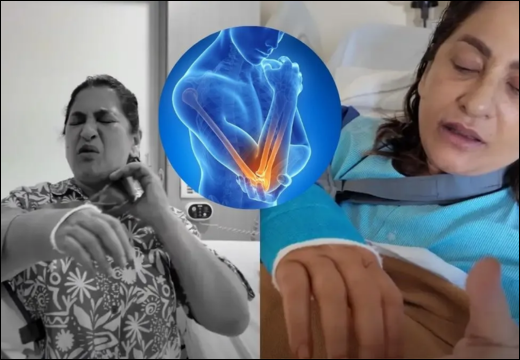
What Is Complex Regional Pain Syndrome (CRPS)?
Complex Regional Pain Syndrome (CRPS) is a chronic pain condition that usually develops after an injury, surgery, or trauma, even when the initial injury appears to have healed. It is also historically referred to as Reflex Sympathetic Dystrophy (RSD), though modern classifications group it under CRPS. CRPS most commonly affects Arms, Legs, Hands or feet. The pain experienced is often out of proportion to the original injury.
Awareness is the first step toward understanding. Understanding is the first step toward balance.
Types of CRPS
CRPS is generally categorized into two types:
1. CRPS Type I (formerly RSD)
- Occurs without confirmed nerve injury
- Often follows minor trauma or immobilization
2. CRPS Type II
- Occurs with confirmed nerve damage
- Symptoms are similar but linked to nerve involvement
Common Symptoms of CRPS
Symptoms may vary from person to person and can fluctuate over time. Commonly reported features include:
- Persistent, intense pain (burning, throbbing, stabbing sensations)
- Sensitivity to touch or temperature
- Swelling in the affected limb
- Changes in skin color (red, pale, bluish)
- Skin temperature differences
- Changes in hair or nail growth
- Joint stiffness and reduced mobility
- Muscle weakness or tremors
Pain may spread beyond the initial area over time, adding to discomfort and emotional strain.
Signs That Should Not Be Ignored
Early recognition is important for supportive care planning. Some warning signs include:
- Pain continuing long after an injury heals
- Pain worsening instead of improving
- Unusual skin changes or sweating
- Increasing stiffness or movement difficulty
Possible Causes and Risk Factors
The exact cause of CRPS is not fully understood, but contributing factors may include:
- Abnormal response of the nervous system
- Inflammation following injury or surgery
- Altered blood flow and immune response
- Physical trauma, fractures, sprains
- Surgical procedures
CRPS is not contagious, nor is it psychological in origin, though emotional stress may influence symptom perception.
Potential Complications
If not managed thoughtfully, CRPS may lead to:
- Reduced limb use due to pain or stiffness
- Muscle wasting
- Emotional challenges such as anxiety or low mood
- Sleep disturbances
- Impact on daily activities and independence
This makes multidimensional support crucial.
Understanding CRPS from an Ayurvedic Point of View
Ayurveda does not name CRPS directly, but its symptoms can be understood through the lens of Dosha imbalance, particularly Vata Dosha.
Key Ayurvedic Concepts Involved
- Vata Dosha governs movement, nerve impulses, sensation, and pain
- Chronic pain, stiffness, dryness, sensitivity, and erratic symptoms are classic signs of aggravated Vata
- Long-standing imbalance may affect Majja Dhatu (nervous tissue) and Asthi Dhatu (bones and joints)
From an Ayurvedic standpoint, such conditions are viewed as functional imbalances, not isolated disorders.
Ayurvedic Approach: A Holistic Perspective
Ayurveda emphasizes:
- Understanding the individual’s constitution (Prakriti)
- Identifying imbalance patterns (Vikriti)
- Supporting balance through diet, lifestyle, therapies, and herbs
The focus is not on suppressing symptoms, but on supporting systemic harmony, circulation, nerve nourishment, and overall wellbeing.
Planet Ayurveda’s Supportive Herbal Formulations
As referenced in educational material by Planet Ayurveda, certain classical Ayurvedic formulations are traditionally valued for joint, nerve, and musculoskeletal wellness. Below are five formulations, described in a non-curative, supportive context:
1. Yograj Guggul
Traditionally used in Ayurveda for maintaining joint comfort and mobility. Often included in wellness routines focused on musculoskeletal balance and flexibility.
2. Musli Strength Capsules
Musli Strength Capsules contain traditionally valued Ayurvedic herbs that are commonly used to support overall strength, stamina, and tissue nourishment. From an Ayurvedic perspective, such formulations are often included to help maintain vitality and support the body during periods of physical stress or weakness.
3. Ashwagandha Capsules
Ashwagandha is a well-known Ayurvedic herb traditionally valued for supporting nervous system balance, adaptability, and overall vitality. It is often used as part of wellness routines aimed at promoting resilience and calmness.
4. Rumogin 5 Capsules
Rumogin 5 Capsules are an Ayurvedic formulation traditionally used to support joint comfort, mobility, and musculoskeletal wellness. Such combinations are commonly included in holistic routines focused on maintaining ease of movement and daily physical comfort.
5. Nourish Maxx Powder
Nourish Maxx Powder is a nutritive Ayurvedic formulation designed to support overall nourishment, strength, and recovery. It is often used as part of wellness programs aimed at supporting tissue nutrition and maintaining general vitality.
🔒 Compliance Note
These products are mentioned for general educational purposes and are not intended to diagnose, treat, cure, or prevent any disease.
Lifestyle & Daily Care: Ayurvedic Insights
Along with herbal support, Ayurveda emphasizes daily habits such as:
- Warm, freshly cooked meals
- Gentle oil application and massage (Abhyanga)
- Adequate rest and sleep
- Avoiding excessive cold, dryness, or overexertion
- Mind-body balance through relaxation practices
Why Awareness Matters
CRPS can be emotionally isolating because pain is often invisible. Increased awareness helps:
- Reduce stigma
- Encourage timely consultation
- Promote integrative approaches
- Support mental and emotional wellbeing
When public figures like Archana Puran Singh speak openly, they help normalize conversations around chronic pain and wellness support.
When to Seek Guidance: Consult Planet Ayurveda Experts
If you or someone you know experiences:
- Persistent unexplained pain
- Sensitivity, swelling, or stiffness
- Symptoms that continue despite rest
It may be helpful to seek professional medical advice and also explore holistic wellness consultations for supportive care. Planet Ayurveda offers Ayurveda-based consultations focused on understanding individual imbalances and suggesting personalized lifestyle and herbal wellness support.
📞 Online Video Consultations available with Internationally Experienced Ayurveda Doctors, Book Now: https://www.planetayurveda.com/online-video-consultation/ or Call/WhatsApp at +91-6209-123456
🌍 Global reach and Home Delivery of Products Worldwide
Final Thought
Complex Regional Pain Syndrome reminds us that healing is not always linear and wellness is deeply individual. Integrative awareness combining modern understanding with traditional wisdom can empower individuals to navigate chronic conditions with clarity, compassion, and support.


Dr. Vikram Chauhan
Latest posts by Dr. Vikram Chauhan (see all)
- Ulcerative Colitis: Symptoms, Causes With Ayurvedic Treatment - September 21, 2026
- Immune Thrombocytopenia (ITP): Causes, Symptoms, Diagnosis & Treatment - September 19, 2026
- Immune Thrombocytopenia (ITP): Causes, Symptoms & Ayurvedic Support - September 18, 2026
- Ulcerative Colitis: Causes, Symptoms & Treatment with Ayurveda - September 17, 2026
- Holistic PCOD Management: Modern Science Meets Ayurvedic Healing - September 16, 2026